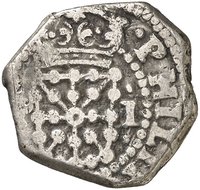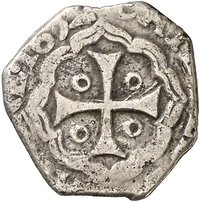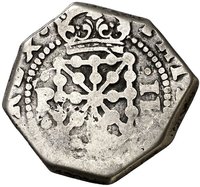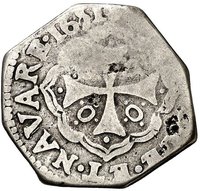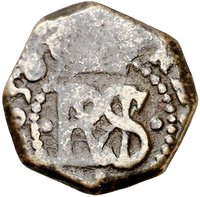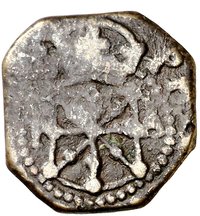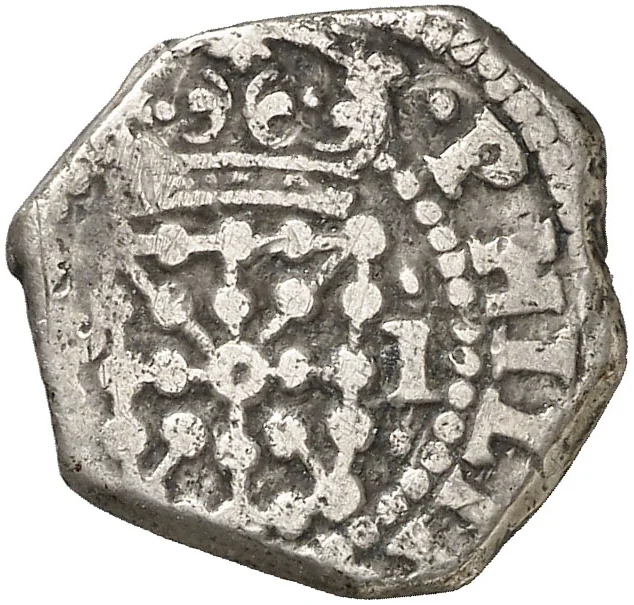
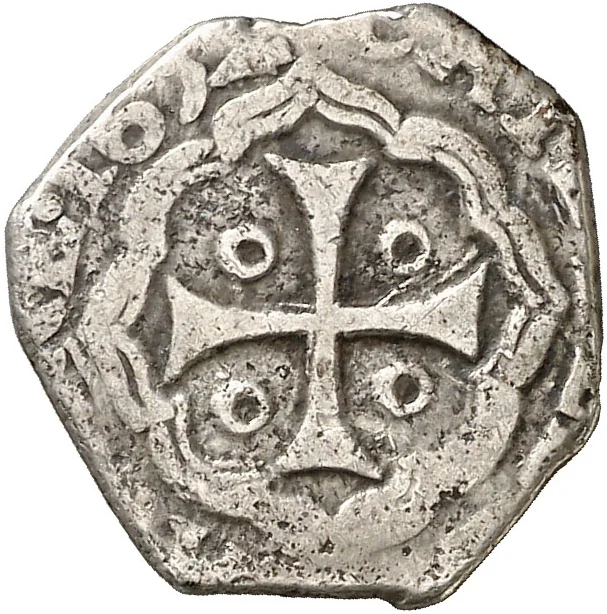
In 1651, the Kingdom of Navarre, specifically the peninsular territory south of the Pyrenees (known as "Upper Navarre"), was deeply entangled in the severe monetary crisis affecting the entire Spanish Crown. Since the reign of Philip III, the Crown had repeatedly debased the silver
vellón coinage (copper with a trace of silver) to finance its costly military campaigns in the Thirty Years' War. By 1651, the situation was catastrophic: the Crown had issued massive quantities of pure copper
moneda negra ("black money"), which had no intrinsic value, leading to rampant inflation, a collapse in public trust, and the effective disappearance of full-bodied silver and gold coins from circulation as they were hoarded or exported.
The local economy in Navarre suffered acutely. Prices for essential goods soared, and commercial activity was severely disrupted as merchants refused the nearly worthless copper currency or demanded exorbitant premiums for transactions. The kingdom's traditional
Cortes (parliament) and the Diputación del Reino (the standing government body) were locked in constant negotiation and protest with the Crown's viceroy in Pamplona, pleading for relief and a return to sound money. Their appeals, however, were largely futile, as Madrid's fiscal desperation overrode regional concerns.
This monetary chaos was compounded by Navarre's unique status as a separate kingdom with its own
fueros (laws and privileges), which theoretically granted it control over taxation and currency. In practice, the Crown's overriding authority in matters of state coinage rendered these privileges ineffective against the flood of debased currency from the royal mints. Thus, in 1651, Navarre found itself politically autonomous in name but economically captive to a collapsing Habsburg monetary system, with its population enduring the hardship of a currency that had failed both as a medium of exchange and a store of value.