

1 bazaruk – Dutch India
Add to wishlist
India
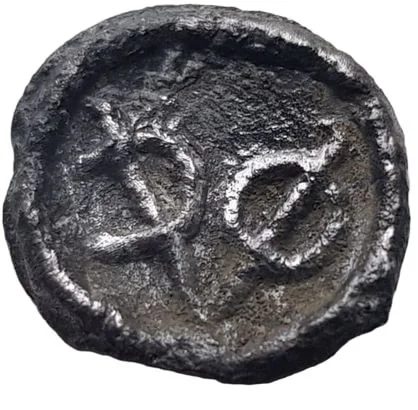
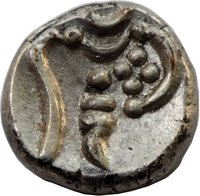
Obverse
Description:
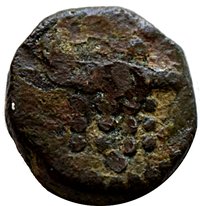
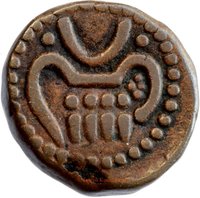
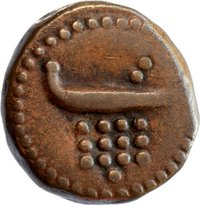
VOC monogram.
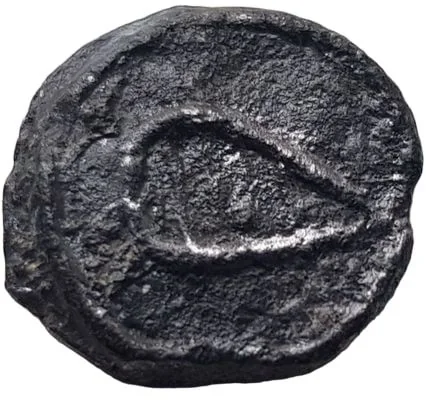
Reverse
Description:
Cauri shell.
Edge
Mintings
| Year | Mint Mark | Mintage | Quality | Collection |
|---|---|---|---|---|
| — | — | — |
Historical background
In 1663, the currency situation in Dutch India, centered on the key colony of Dutch Ceylon and the Malabar Coast settlements like Cochin, was a complex system of plural currencies. The Dutch East India Company (VOC) did not impose a single, unified coinage but rather operated within and attempted to control pre-existing Asian monetary networks. The primary challenge was facilitating the Company's massive intra-Asian trade, which required a reliable medium for purchasing Indian textiles, spices, and other goods. Consequently, the system was a hybrid of imported European specie, various high-value regional gold and silver coins, and low-value copper coinage for local transactions.
The VOC's monetary policy was fundamentally extractive and aimed at profit maximization. A key instrument was the "levering," a forced sale of imported Spanish Reals (pieces of eight) and other silver coins to the Company's coin chamber at a rate set below market value. These coins were then restruck into local currencies like the "Rixdollar" or used to mint low-weight imitations of popular regional coins, such as the "Fanam." This practice, combined with strict laws against the export of bullion by private individuals, allowed the VOC to capture seigniorage profit and control the flow of precious metals. The goal was to ensure silver flowed into the Company's coffers to finance its trade, not into the hands of local merchants or rival powers.
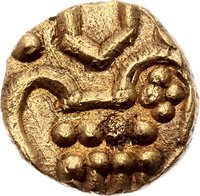
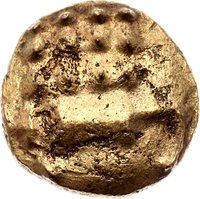
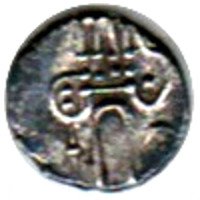
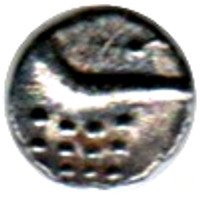
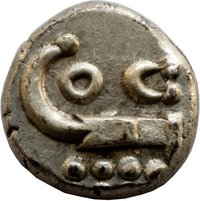
For the local population, daily transactions relied heavily on a multitude of small-denomination coins, including copper cashes and gold fanams of varying origins and purities. This created a fragmented and often confusing marketplace. The VOC's manipulations frequently led to inflation, coin shortages, and economic hardship for both indigenous communities and poorer Dutch settlers. Thus, the currency situation in 1663 reflected the broader colonial reality: a system designed for VOC commercial efficiency, which often came at the expense of local economic stability and prosperity.
The VOC's monetary policy was fundamentally extractive and aimed at profit maximization. A key instrument was the "levering," a forced sale of imported Spanish Reals (pieces of eight) and other silver coins to the Company's coin chamber at a rate set below market value. These coins were then restruck into local currencies like the "Rixdollar" or used to mint low-weight imitations of popular regional coins, such as the "Fanam." This practice, combined with strict laws against the export of bullion by private individuals, allowed the VOC to capture seigniorage profit and control the flow of precious metals. The goal was to ensure silver flowed into the Company's coffers to finance its trade, not into the hands of local merchants or rival powers.
For the local population, daily transactions relied heavily on a multitude of small-denomination coins, including copper cashes and gold fanams of varying origins and purities. This created a fragmented and often confusing marketplace. The VOC's manipulations frequently led to inflation, coin shortages, and economic hardship for both indigenous communities and poorer Dutch settlers. Thus, the currency situation in 1663 reflected the broader colonial reality: a system designed for VOC commercial efficiency, which often came at the expense of local economic stability and prosperity.


✨ Legendary