

1 mohur – Arcot
Add to wishlist
India
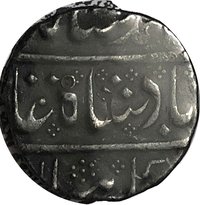
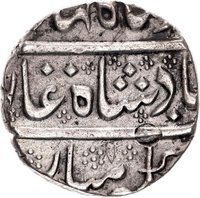
Obverse
Description:
Muhammad Shah, Qajar ruler of Persia.
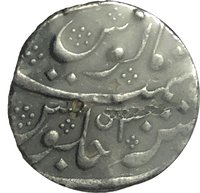
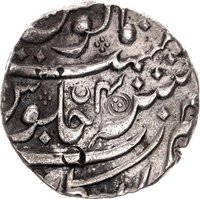
Reverse
Description:
Persian - Julus mint.
Edge
Mints
| Name | Mark |
|---|---|
| Arcot | — |
Mintings
| Year | Mint Mark | Mintage | Quality | Collection |
|---|---|---|---|---|
| 1738 | — | — |
Historical background
By 1738, the Carnatic region of South India, with Arcot as its capital, was nominally part of the Mughal Empire but was effectively under the autonomous rule of its Nawab, Dost Ali Khan. The currency situation reflected this complex political reality, being a fragmented and hybrid system. The primary circulating coins were Mughal silver rupees, particularly those minted in Arcot itself, alongside a variety of gold pagodas (often of Venkatagiri or Porto Novo origin) and copper cash. This multi-metallic system facilitated both regional trade and the substantial commerce with European East India Companies, whose own gold and silver coins also entered circulation.
The system was under significant strain, however. The political instability following Nader Shah’s invasion of northern India in 1739 would soon disrupt Mughal authority and silver supplies, but even in 1738, pressures were mounting. The Nawab’s need to finance his administration and military, coupled with the economic demands of the European companies competing for influence, placed a premium on reliable specie. Furthermore, the practice of "currency cutting" or clipping of silver coins was a persistent problem, leading to variability in the intrinsic value of coins that bore the same face value, thus undermining trust in the medium of exchange.
Consequently, the Arcot rupee, while a key unit of account, existed within a monetary environment that was decentralized and susceptible to fluctuation. The value of coins was often determined by weight and fineness rather than just stamp, requiring merchants and tax collectors to be adept assayers. This period, therefore, represents the final phase of a pre-colonial order, where currency was a tangible, metallic asset, soon to be profoundly transformed by the escalating colonial conflicts between the French and British and their increasing control over the region's fiscal and monetary systems.
The system was under significant strain, however. The political instability following Nader Shah’s invasion of northern India in 1739 would soon disrupt Mughal authority and silver supplies, but even in 1738, pressures were mounting. The Nawab’s need to finance his administration and military, coupled with the economic demands of the European companies competing for influence, placed a premium on reliable specie. Furthermore, the practice of "currency cutting" or clipping of silver coins was a persistent problem, leading to variability in the intrinsic value of coins that bore the same face value, thus undermining trust in the medium of exchange.
Consequently, the Arcot rupee, while a key unit of account, existed within a monetary environment that was decentralized and susceptible to fluctuation. The value of coins was often determined by weight and fineness rather than just stamp, requiring merchants and tax collectors to be adept assayers. This period, therefore, represents the final phase of a pre-colonial order, where currency was a tangible, metallic asset, soon to be profoundly transformed by the escalating colonial conflicts between the French and British and their increasing control over the region's fiscal and monetary systems.
✨ Legendary