

1 rupee – Arcot
Add to wishlist
India
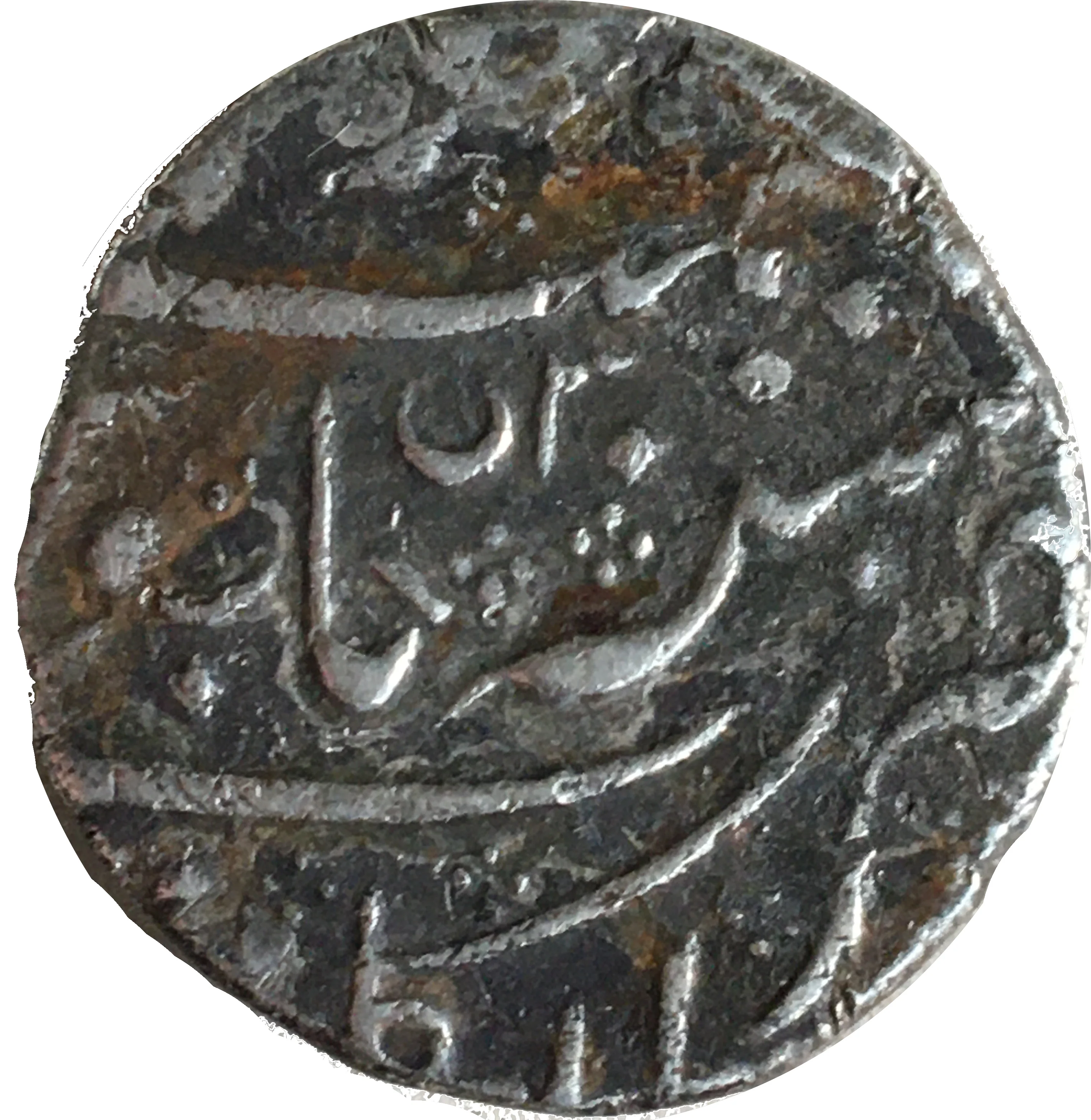
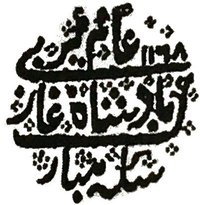
Obverse
Description:
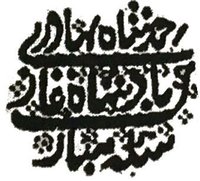
Ahmad Shah Bahadur, Shah of Persia.
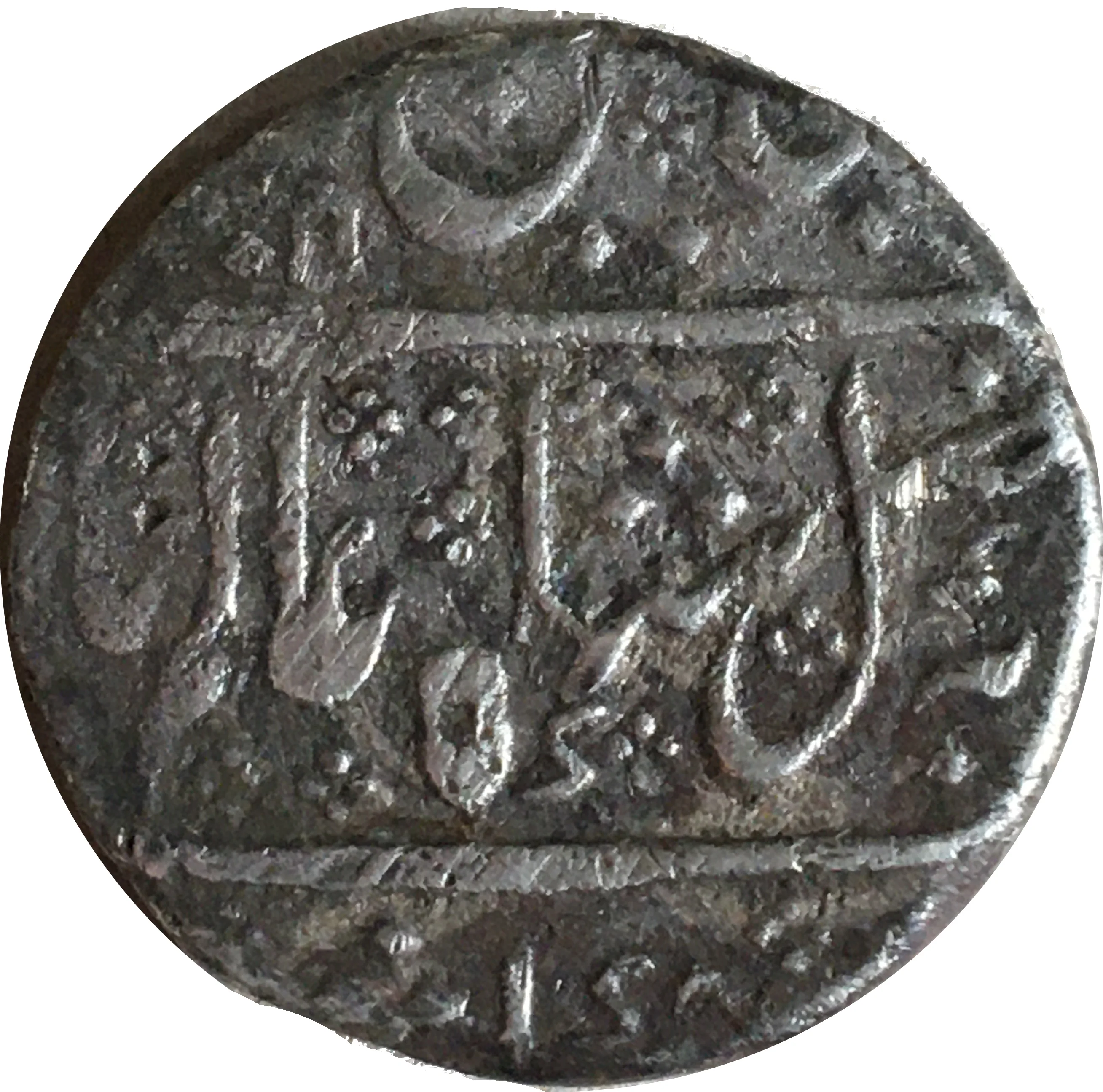
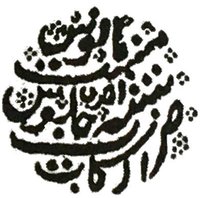
Reverse
Description:
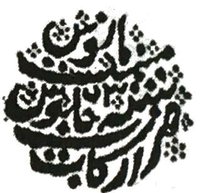
Persian - Julus mint.
Edge
Mints
| Name | Mark |
|---|---|
| Arcot | — |
Mintings
| Year | Mint Mark | Mintage | Quality | Collection |
|---|---|---|---|---|
| 1751 | — | — |
Historical background
In 1751, the Carnatic region of South India, with its capital at Arcot, was a nexus of intense political and military turmoil, directly impacting its currency situation. The Nawab of the Carnatic, Chanda Sahib, was a key claimant in the War of the Austrian Succession's colonial extension, the First Carnatic War, and was besieged in his fort at Arcot by forces loyal to his rival, Muhammad Ali Khan Wallajah, who was backed by the British East India Company. This conflict created a state of near-anarchy, disrupting agrarian revenue collection—the traditional source of wealth for minting coins—and severing secure trade routes, which were essential for the bullion supply needed for currency.
The monetary system itself was a complex patchwork. The region operated on a silver standard, with the primary unit being the Arcot rupee, but it competed with a plethora of other circulating coins: Mughal rupees from the north, gold pagodas from the neighbouring Kingdom of Mysore, and a variety of older, debased local issues. The intense warfare led to acute financial strain on all parties, resulting in the likely debasement of coins—reducing their precious metal content—to fund military campaigns. Furthermore, both the British and French East India Companies were injecting their own trade coins and making payments to local troops, adding foreign European and colonial monetary elements into an already fragmented system.
Consequently, the currency situation in Arcot in 1751 was characterised by severe instability and uncertainty. The collapse of central authority meant no reliable entity could guarantee the value or purity of coins, leading to widespread suspicion in transactions and probable hyper-inflation for basic goods. This monetary chaos was both a symptom and a cause of the wider breakdown, as armies struggled to pay for supplies and loyalty, making the control of treasuries and mints as strategically vital as the capture of fortresses themselves.
The monetary system itself was a complex patchwork. The region operated on a silver standard, with the primary unit being the Arcot rupee, but it competed with a plethora of other circulating coins: Mughal rupees from the north, gold pagodas from the neighbouring Kingdom of Mysore, and a variety of older, debased local issues. The intense warfare led to acute financial strain on all parties, resulting in the likely debasement of coins—reducing their precious metal content—to fund military campaigns. Furthermore, both the British and French East India Companies were injecting their own trade coins and making payments to local troops, adding foreign European and colonial monetary elements into an already fragmented system.
Consequently, the currency situation in Arcot in 1751 was characterised by severe instability and uncertainty. The collapse of central authority meant no reliable entity could guarantee the value or purity of coins, leading to widespread suspicion in transactions and probable hyper-inflation for basic goods. This monetary chaos was both a symptom and a cause of the wider breakdown, as armies struggled to pay for supplies and loyalty, making the control of treasuries and mints as strategically vital as the capture of fortresses themselves.
✨ Legendary