

2 Kreuzers – Bishopric of Salzburg
Context
Material
References
KM: #Click to copy to clipboard290
Numista: #41954
Value
Bullion value: $2.48
Obverse
Description:
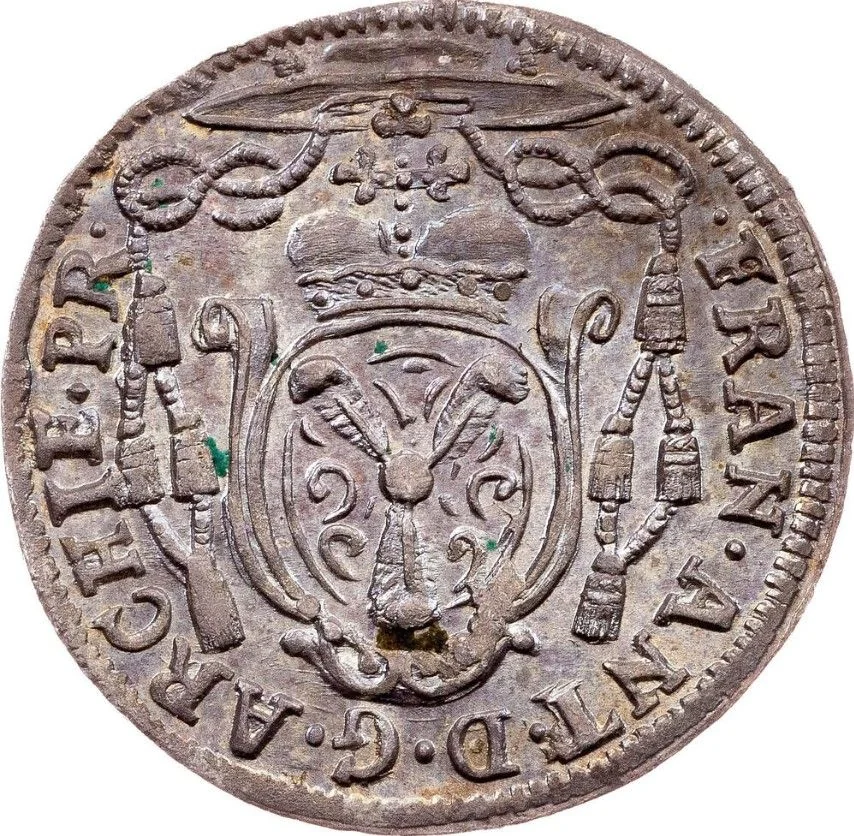
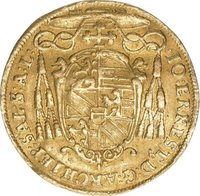
Oval shield with bishop’s arms, cardinal’s hat and cross above, encircled by legend.
Inscription:
FRAN ANT D G ARCHIES PR
Script: Latin
Reverse
Description:
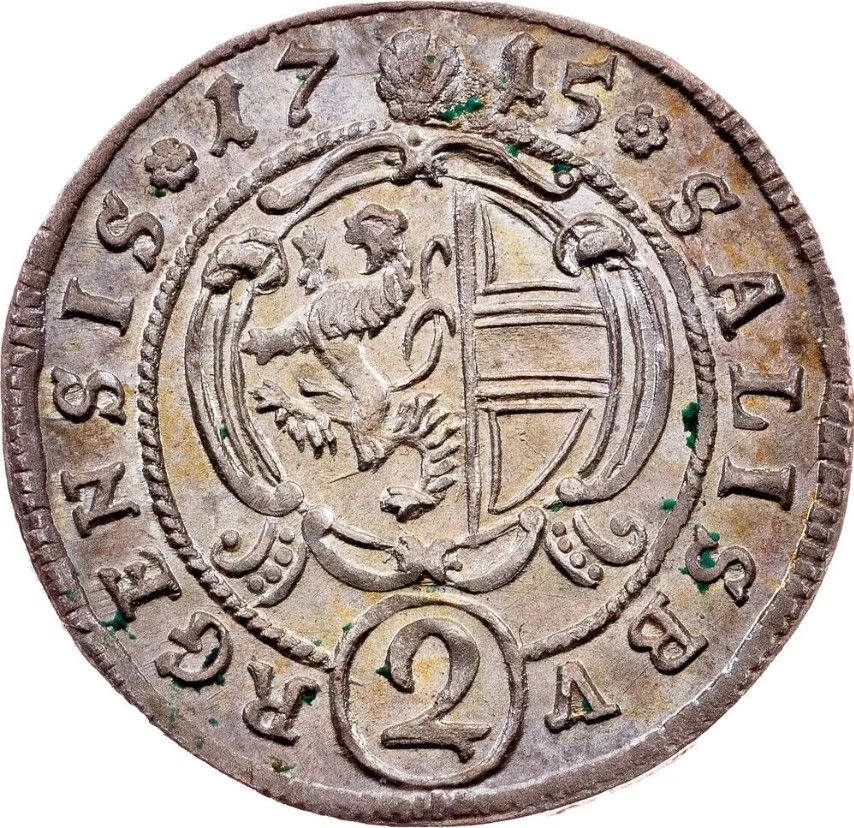
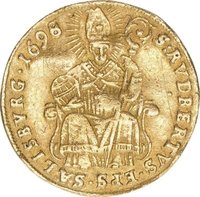
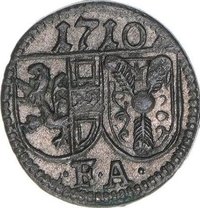
Salzburg shield in circle, divided date above, value below.
Inscription:
SALISBV RGENSIS 17 15
(2)
(2)
Script: Latin
Edge
Plain
Mints
| Name | Mark |
|---|---|
| Salzburg | — |
Mintings
| Year | Mint Mark | Mintage | Quality | Collection |
|---|---|---|---|---|
| 1708 | — | — | ||
| 1709 | — | — | ||
| 1710 | — | — | ||
| 1711 | — | — | ||
| 1712 | — | — | ||
| 1713 | — | — | ||
| 1714 | — | — | ||
| 1715 | — | — | ||
| 1716 | — | — | ||
| 1717 | — | — | ||
| 1718 | — | — | ||
| 1721 | — | — | ||
| 1723 | — | — | ||
| 1725 | — | — | ||
| 1726 | — | — | ||
| 1727 | — | — |
Historical background
In 1708, the Prince-Archbishopric of Salzburg, a powerful ecclesiastical state within the Holy Roman Empire, faced significant monetary instability, largely dictated by the wider crisis of the Kipper- und Wipperzeit. This period, spanning the early stages of the Thirty Years' War into the early 18th century, was characterized by the deliberate debasement of coinage. Ruling princes, including the Prince-Archbishops of Salzburg, would reduce the precious metal content in coins while officially maintaining their face value, generating short-term profit from seigniorage but causing severe inflation and a loss of public trust in the currency.
The specific situation under Prince-Archbishop Franz Anton von Harrach (reigned 1709–1727, with the policies in motion from his accession) was one of inherited disorder. The circulating money consisted of a chaotic mix of older, full-value coins and newer, debased issues, alongside currencies from neighboring states. This created a complex and unfavorable exchange environment for Salzburg's economy, which relied on trade, mining, and pilgrimage. The poor quality of small denomination coins, used in everyday transactions, particularly burdened the general population and disrupted local commerce.
Therefore, 1708 stands as the final year of this unchecked debasement before a concerted reform. In 1709, Archbishop von Harrach initiated a comprehensive monetary reform, introducing new, standardized coinage with stable silver content to restore confidence. This action was part of a broader trend among German states to stabilize their economies by returning to the reliable Reichsthaler standard as mandated by Imperial ordinances, seeking to end the corrosive Kipper- und Wipperzeit practices that had plagued the region for nearly a century.
The specific situation under Prince-Archbishop Franz Anton von Harrach (reigned 1709–1727, with the policies in motion from his accession) was one of inherited disorder. The circulating money consisted of a chaotic mix of older, full-value coins and newer, debased issues, alongside currencies from neighboring states. This created a complex and unfavorable exchange environment for Salzburg's economy, which relied on trade, mining, and pilgrimage. The poor quality of small denomination coins, used in everyday transactions, particularly burdened the general population and disrupted local commerce.
Therefore, 1708 stands as the final year of this unchecked debasement before a concerted reform. In 1709, Archbishop von Harrach initiated a comprehensive monetary reform, introducing new, standardized coinage with stable silver content to restore confidence. This action was part of a broader trend among German states to stabilize their economies by returning to the reliable Reichsthaler standard as mandated by Imperial ordinances, seeking to end the corrosive Kipper- und Wipperzeit practices that had plagued the region for nearly a century.

💎 Very Rare