

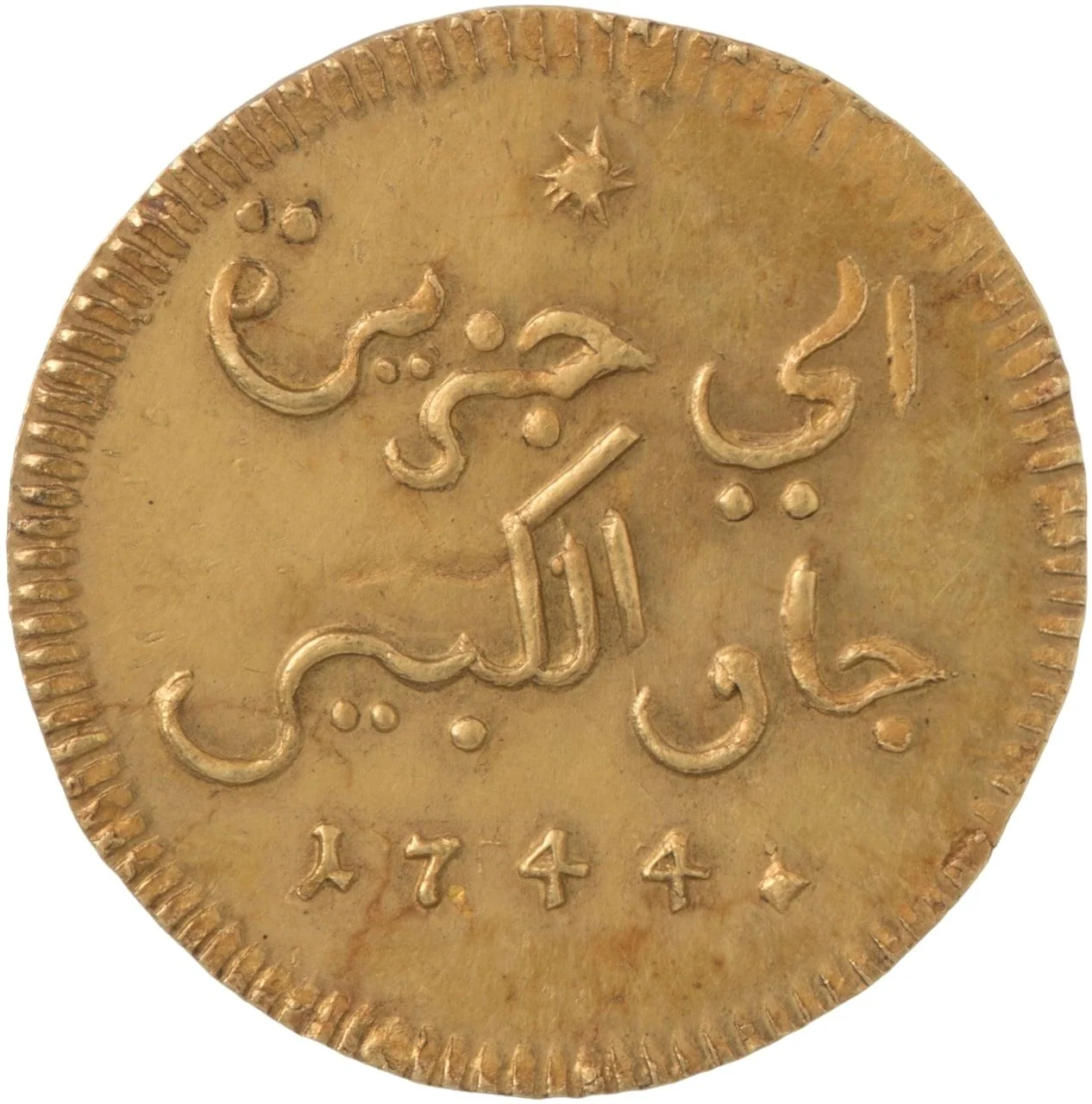
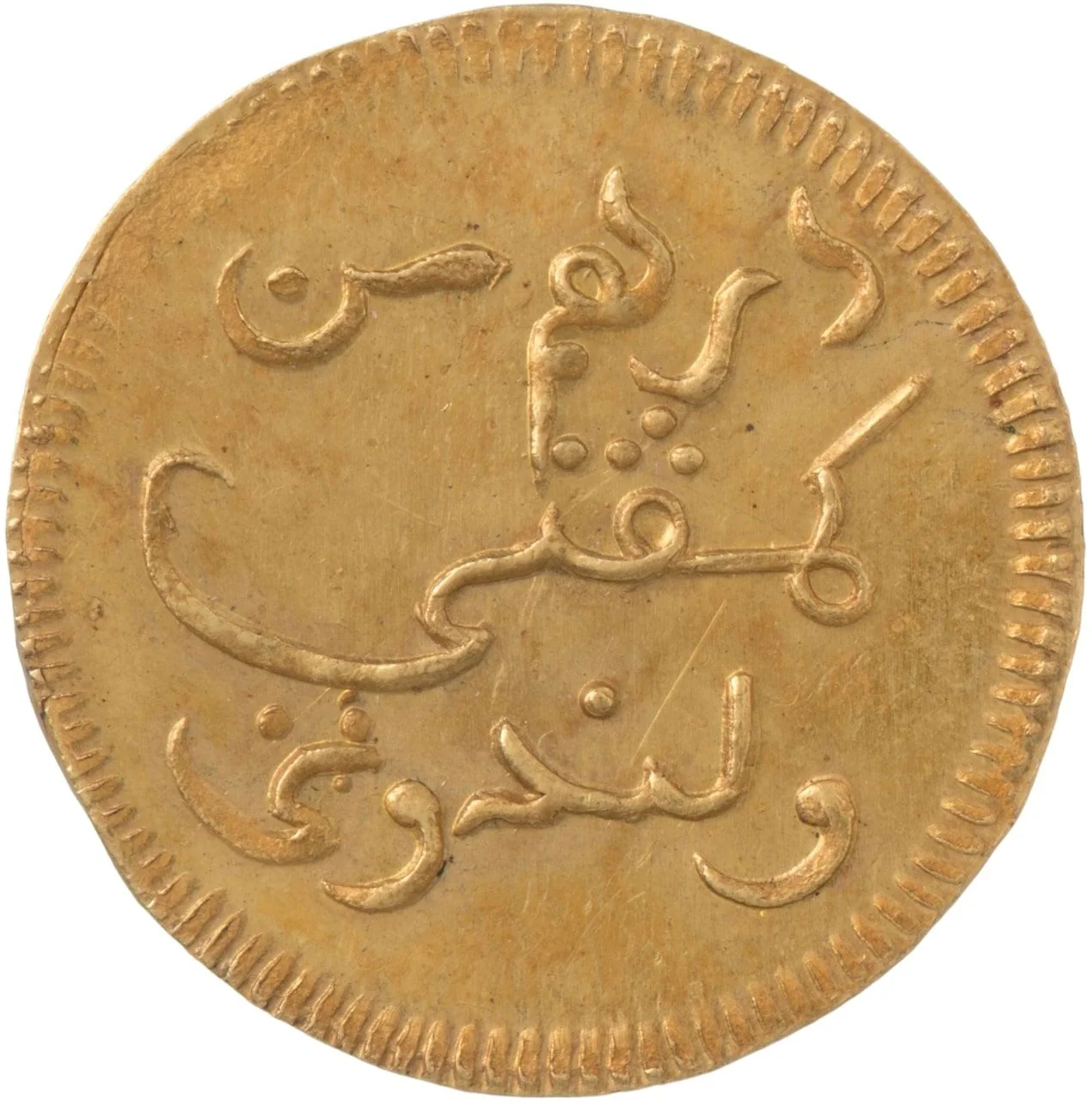
Mintings
| Year | Mint Mark | Mintage | Quality | Collection |
|---|---|---|---|---|
| 1744 | — | — | ||
| 1745 | — | — |
Historical background
In 1744, Java's currency situation was a complex and fragmented system, reflecting the island's political divisions between Dutch colonial control and the remaining Javanese principalities. The Dutch East India Company (VOC), headquartered in Batavia (modern-day Jakarta), was the dominant economic power. It officially promoted the use of its own silver rijksdaalder and copper duit coins, aiming to create a standardized currency for taxation and trade within its territories. However, the VOC faced chronic shortages of specie (coinage), leading to frequent issuance of credit paper and promissory notes among merchants and Company officials.
Alongside the VOC system, a multitude of older currencies remained in active circulation, especially in the interior Javanese courts of Mataram (which was formally under VOC suzerainty but retained internal autonomy). These included imported Spanish silver dollars (reales), Chinese copper cash coins with square holes (pisis), and various locally produced tin and lead coins. Most significantly, the Javanese themselves used a traditional money-of-account system based on the real (from the Spanish dollar), divided into duit and sen. This created a dual economy where market prices and obligations were often stated in this accounting system, but actual payment could be made in a confusing mix of physical currencies with fluctuating values.
This monetary pluralism led to persistent instability. Exchange rates between the different forms of money were not fixed and could vary by region and market, facilitating exploitation by moneylenders and causing hardship for peasants paying taxes. Furthermore, the VOC frequently debased its copper coinage to generate profit, flooding the market with low-value duiten that fueled inflation and eroded trust. Consequently, the currency landscape of 1744 Java was one of overlapping systems, scarcity, and manipulation, undermining economic security and serving as a point of tension between the colonizing power and the Javanese population.
Alongside the VOC system, a multitude of older currencies remained in active circulation, especially in the interior Javanese courts of Mataram (which was formally under VOC suzerainty but retained internal autonomy). These included imported Spanish silver dollars (reales), Chinese copper cash coins with square holes (pisis), and various locally produced tin and lead coins. Most significantly, the Javanese themselves used a traditional money-of-account system based on the real (from the Spanish dollar), divided into duit and sen. This created a dual economy where market prices and obligations were often stated in this accounting system, but actual payment could be made in a confusing mix of physical currencies with fluctuating values.
This monetary pluralism led to persistent instability. Exchange rates between the different forms of money were not fixed and could vary by region and market, facilitating exploitation by moneylenders and causing hardship for peasants paying taxes. Furthermore, the VOC frequently debased its copper coinage to generate profit, flooding the market with low-value duiten that fueled inflation and eroded trust. Consequently, the currency landscape of 1744 Java was one of overlapping systems, scarcity, and manipulation, undermining economic security and serving as a point of tension between the colonizing power and the Javanese population.
✨ Legendary