

1 Rial – Iran
Iran
Context
Material
Weight: 10.28 g
Silver weight: 10.28 g
Shape: Irregular round
Composition: Silver
Magnetic: No
Technique: Hammered
References
KM: #Click to copy to clipboard651
Numista: #418815
Value
Bullion value: $29.22
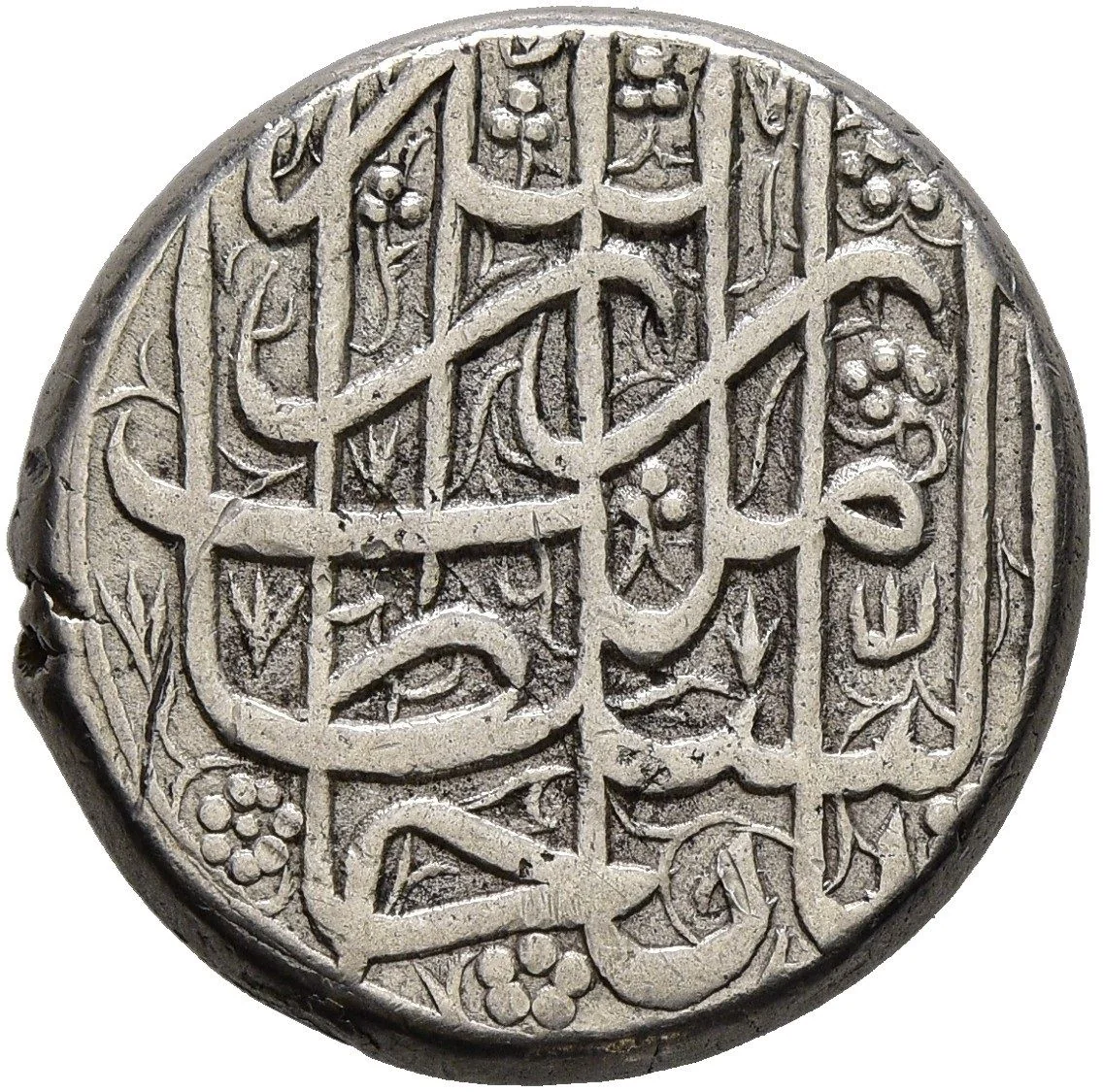
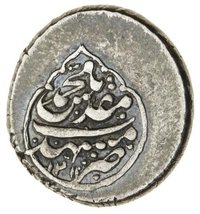
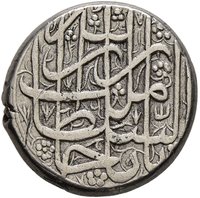
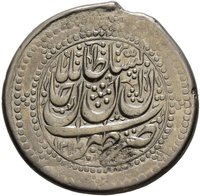
Obverse
Inscription:
الملک لله
السّلطان باباخان
السّلطان باباخان
Script: Arabic (thuluth)
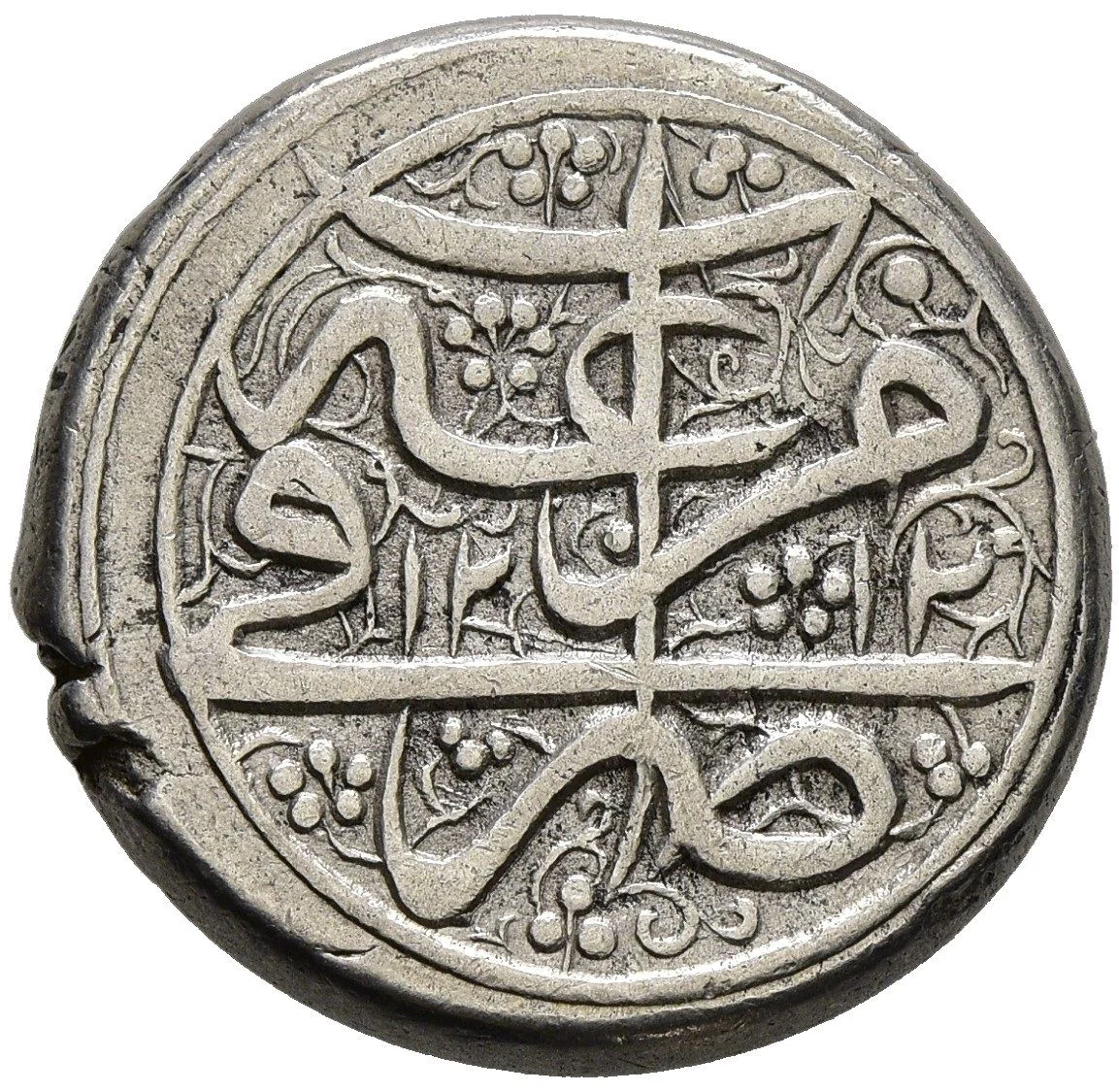
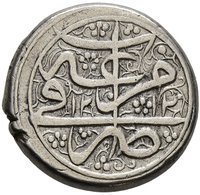
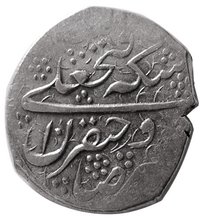
Reverse
Inscription:
ضرب فی مراغه
۱۲۱۲
۱۲۱۲
Script: Arabic (thuluth)
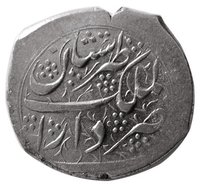
Edge
Mints
| Name | Mark |
|---|---|
| Maragheh | — |
Mintings
| Year | Mint Mark | Mintage | Quality | Collection |
|---|---|---|---|---|
| 1797 | — | — |
Historical background
In 1797, the Iranian currency system was in a state of severe disarray, a legacy of the turbulent 18th century. The Safavid dynasty's collapse in 1722 had shattered the centralized monetary authority, leading to decades of civil war, foreign invasion, and fragmented rule. By the time Agha Mohammad Khan Qajar had reunified the country and founded the Qajar dynasty in 1794, the nation's coinage was profoundly degraded. The primary silver coin, the toman (a unit of account) and its fractional rial, suffered from widespread debasement, with provincial mints producing coins of wildly varying weight and purity, severely undermining public trust and hindering commerce.
The monetary chaos was both a cause and a symptom of broader economic weakness. Decades of instability had disrupted trade routes, particularly the lucrative silk trade, draining the treasury of precious metal reserves. Furthermore, the government's practice of farming out provincial mints to generate immediate revenue led to chronic inflation and a loss of confidence in coinage. In the bazaars, transactions relied heavily on the laborious weighing and assaying of individual coins rather than their face value, while foreign currencies, especially the Maria Theresa thaler, circulated as a more reliable medium of exchange for larger transactions.
The death of Agha Mohammad Khan in 1797, just as his successor Fath-Ali Shah took the throne, meant that the critical task of monetary reform was left unresolved. The new Qajar state inherited a fractured system that stifled economic recovery and state-building. While the political unity of Iran had been restored, establishing a uniform, trusted national currency remained a fundamental challenge for the nascent dynasty, essential for consolidating power, funding the state, and reviving Persia's commercial prosperity.
The monetary chaos was both a cause and a symptom of broader economic weakness. Decades of instability had disrupted trade routes, particularly the lucrative silk trade, draining the treasury of precious metal reserves. Furthermore, the government's practice of farming out provincial mints to generate immediate revenue led to chronic inflation and a loss of confidence in coinage. In the bazaars, transactions relied heavily on the laborious weighing and assaying of individual coins rather than their face value, while foreign currencies, especially the Maria Theresa thaler, circulated as a more reliable medium of exchange for larger transactions.
The death of Agha Mohammad Khan in 1797, just as his successor Fath-Ali Shah took the throne, meant that the critical task of monetary reform was left unresolved. The new Qajar state inherited a fractured system that stifled economic recovery and state-building. While the political unity of Iran had been restored, establishing a uniform, trusted national currency remained a fundamental challenge for the nascent dynasty, essential for consolidating power, funding the state, and reviving Persia's commercial prosperity.
Series: 1797 Iran circulation coins

✨ Legendary