

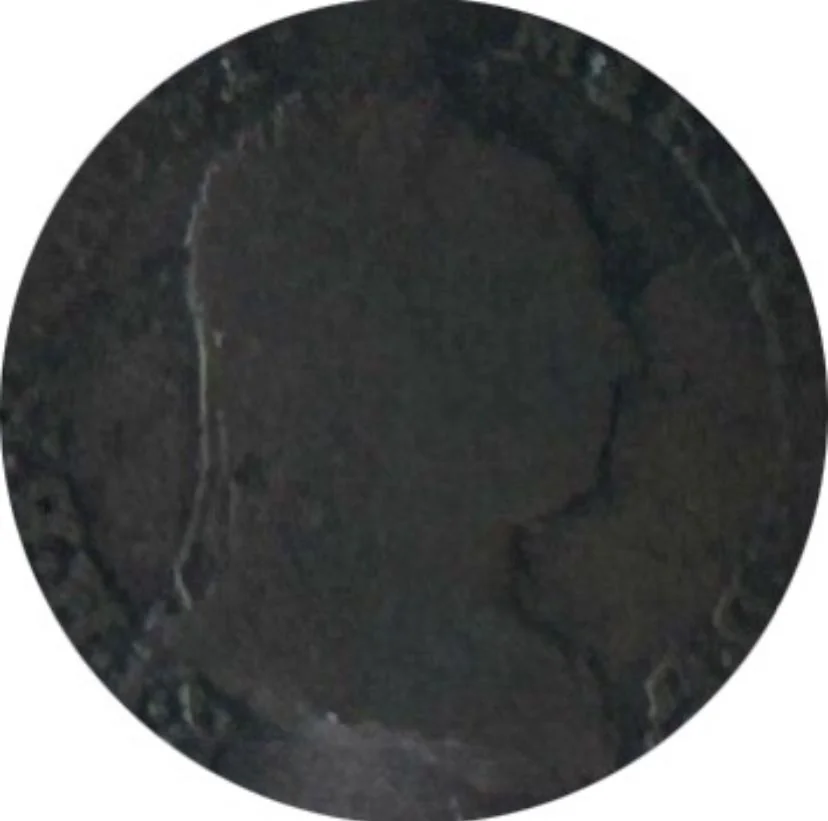
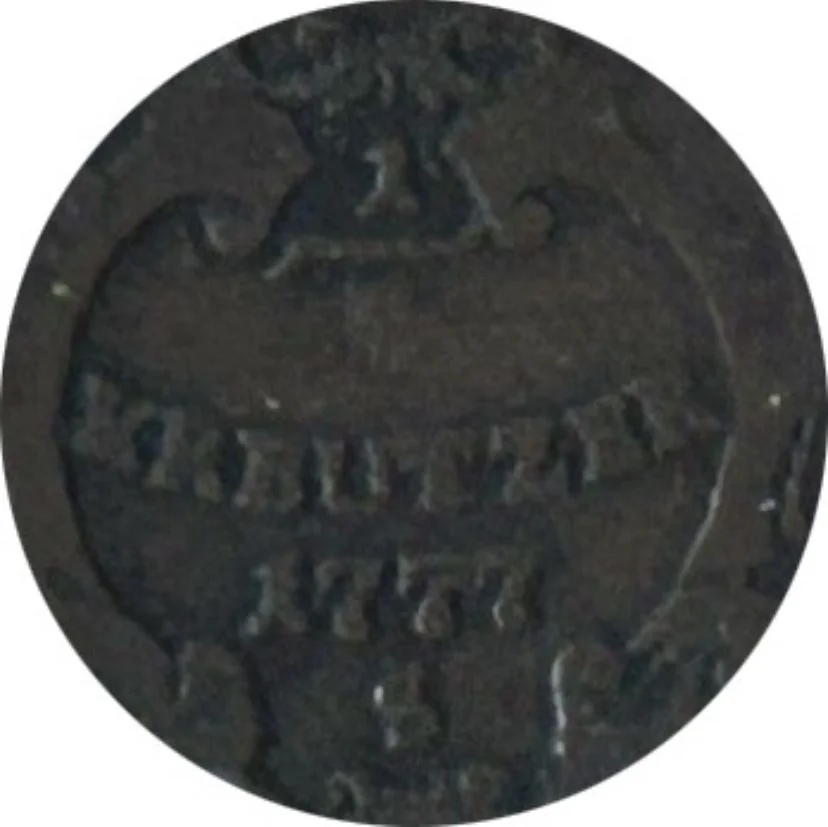
¼ Kreuzer – Austrian Empire
Austria
Context
Years: 1777–1779
Country: Austria 
Issuer: Austrian Empire
Ruler: Maria Theresa
Currency:
(1754—1857)
Demonetized: Yes
Material
References
KM: #Click to copy to clipboard1983
Numista: #418579
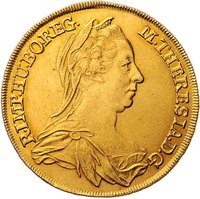
Obverse
Description:
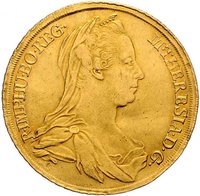
Hooded figure facing right.
Inscription:
M·THERESIA·D: G·R·I·H·B·R·A·AUST·
Script: Latin
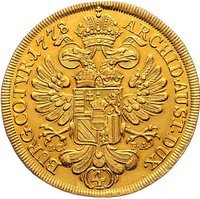
Reverse
Edge
Mints
| Name | Mark |
|---|---|
| Münze Österreich | — |
| Kremnica | K |
| Smolník / Szomolnok / Schmöllnitz | S |
Historical background
In 1777, the Habsburg Monarchy, under the reign of Empress Maria Theresa, was grappling with a complex and debilitating currency crisis. The core of the problem was the widespread circulation of debased coinage, particularly the Kreuzer and Gulden. Years of war, most notably the costly Seven Years' War (1756-1763), had been financed not through taxation but through the deliberate reduction of silver content in coins. This practice, combined with a flood of foreign and counterfeit coins, led to a severe loss of public confidence. "Good" full-weight coins were hoarded or melted down for their bullion value, while "bad" light coins dominated everyday transactions, creating a chaotic and inefficient monetary system that hampered commerce and state finances.
Recognizing the threat to economic stability, Maria Theresa's government embarked on a major monetary reform, with the pivotal Münzpatent (Coinage Edict) of September 19, 1773, laying the groundwork. This reform aimed to standardize the currency by introducing new, full-weight silver coins, most notably the Maria Theresa Thaler. By 1777, this iconic coin, bearing the Empress's portrait, had become a cornerstone of the new system. It was struck with a guaranteed silver content and was intended to drive out the debased currency, restore trust, and facilitate both domestic and international trade.
However, by 1777, the situation remained one of transition and lingering difficulty. While the new Thaler was gaining prestige, the complete withdrawal of the old coinage was a slow and arduous process. The empire's diverse and economically uneven lands, from the advanced Austrian and Bohemian territories to the more backward Hungarian regions, experienced the change at different paces. Thus, 1777 represents a critical point where the state's authoritative reform was actively combating the inherited monetary chaos, setting the stage for the Thaler to become one of the most famous and trusted trade coins in world history for the next century.
Recognizing the threat to economic stability, Maria Theresa's government embarked on a major monetary reform, with the pivotal Münzpatent (Coinage Edict) of September 19, 1773, laying the groundwork. This reform aimed to standardize the currency by introducing new, full-weight silver coins, most notably the Maria Theresa Thaler. By 1777, this iconic coin, bearing the Empress's portrait, had become a cornerstone of the new system. It was struck with a guaranteed silver content and was intended to drive out the debased currency, restore trust, and facilitate both domestic and international trade.
However, by 1777, the situation remained one of transition and lingering difficulty. While the new Thaler was gaining prestige, the complete withdrawal of the old coinage was a slow and arduous process. The empire's diverse and economically uneven lands, from the advanced Austrian and Bohemian territories to the more backward Hungarian regions, experienced the change at different paces. Thus, 1777 represents a critical point where the state's authoritative reform was actively combating the inherited monetary chaos, setting the stage for the Thaler to become one of the most famous and trusted trade coins in world history for the next century.
✨ Legendary