

4 skilling – Norway
Add to wishlist
Norway
Context
Material
References
KM: #
Numista: #417633
Value
Bullion value: $3.87
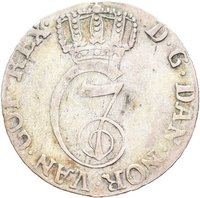
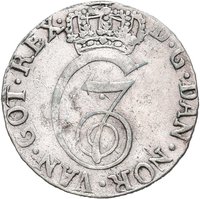
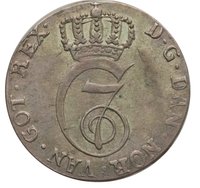
Obverse
Description:
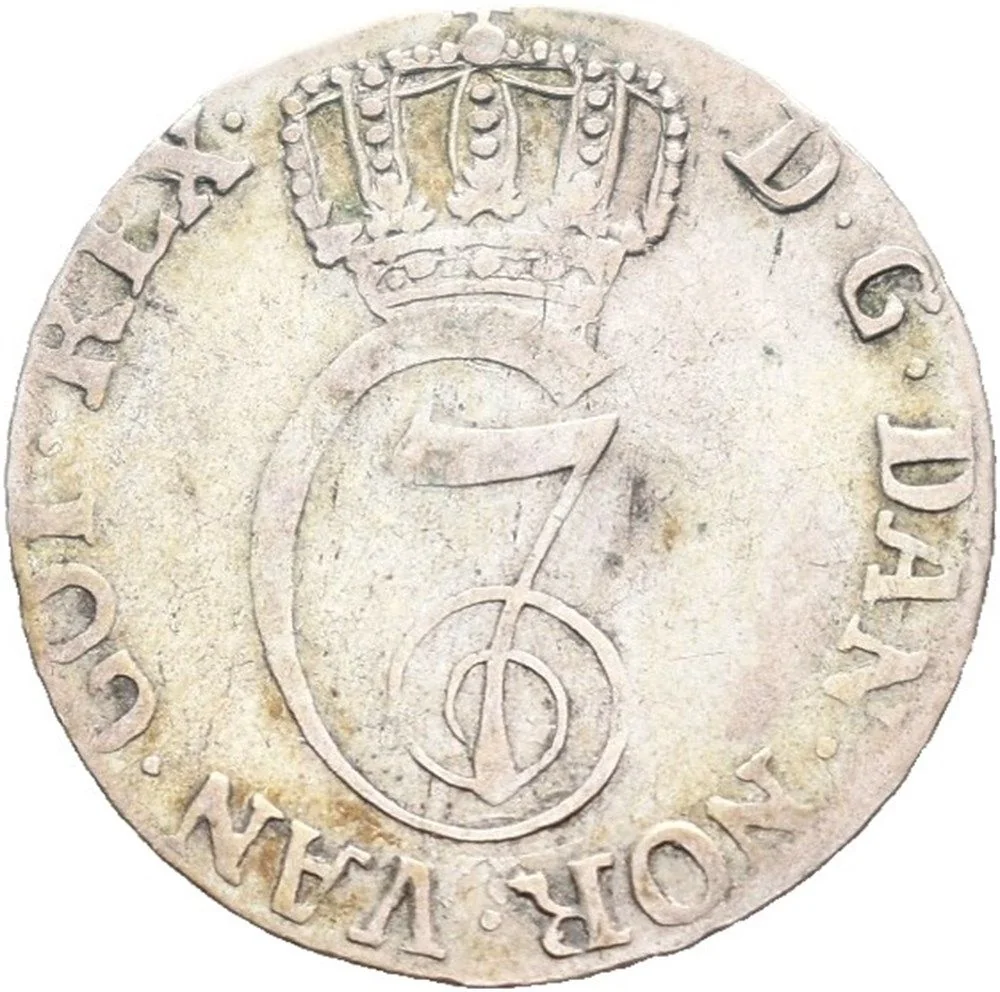
Crowned mirrored monogram of Christian VII within an inscription.
Inscription:
D · G · DAN · NOR · VAN · GOT · REX ·
Script: Latin
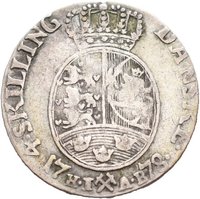
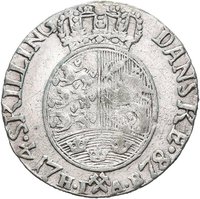
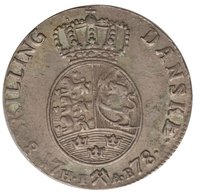
Reverse
Description:
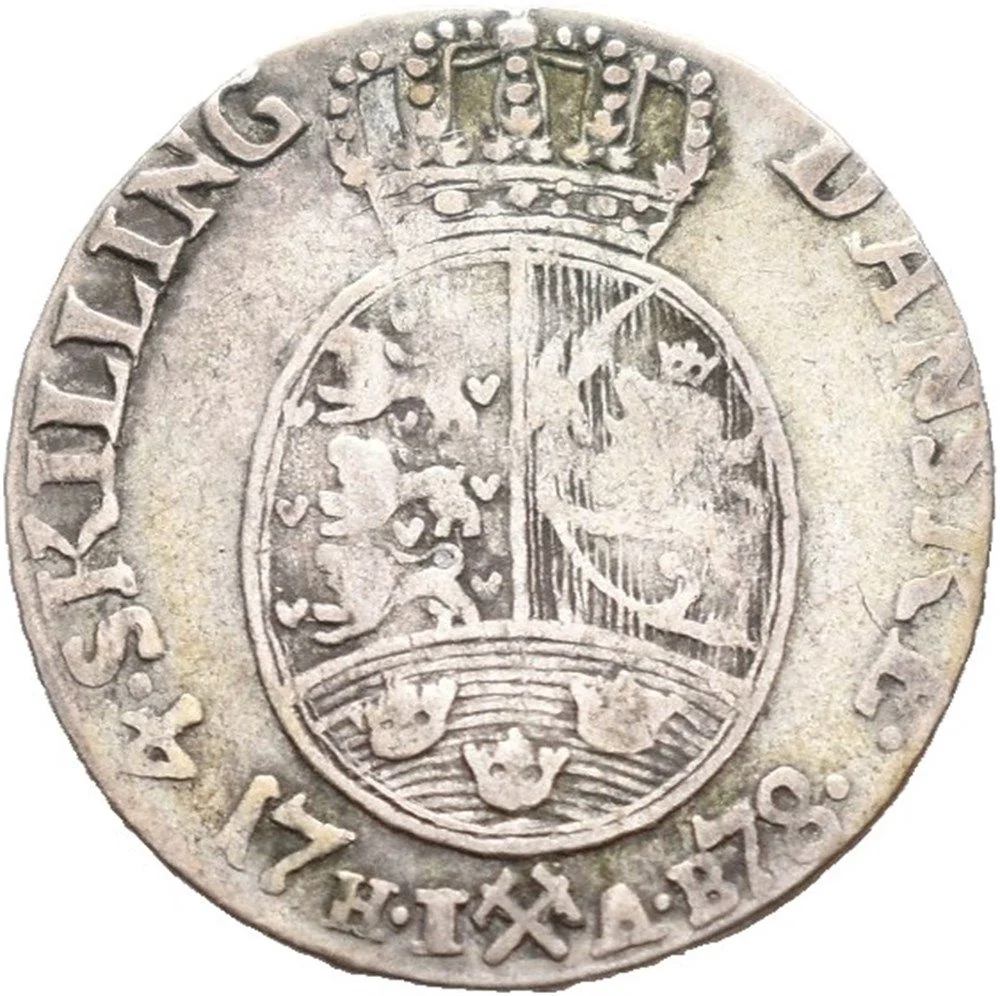
Danish, Norwegian, and Holstein arms in a crowned shield. Inscription surrounds. Date and mintmaster initials flank mintmark below.
Inscription:
4·SKILLING | DANSKE·
17 H·I ⚒ A·B 78·
17 H·I ⚒ A·B 78·
Script: Latin
Edge
Mints
| Name | Mark |
|---|---|
| Norwegian Mint | — |
Mintings
| Year | Mint Mark | Mintage | Quality | Collection |
|---|---|---|---|---|
| 1778 | — | — |
Historical background
In 1778, Norway, then in a union with Denmark under the Danish crown, operated within a complex and strained monetary system. The official currency was the Danish rigsdaler, but the economy relied heavily on a chaotic mix of physical specie, including Danish, German, and Dutch coins, alongside a substantial volume of credit notes issued by the state-owned Kurantbanken in Copenhagen. This created a dual system: the silver-based rigsdaler courant for banknotes and a rigsdaler species for coinage, with their values fluctuating against each other, causing confusion and instability in trade.
The period was marked by a severe shortage of small-change coins, which crippled everyday transactions for common people. To address this, the Danish-Norwegian state had resorted to issuing low-quality "credit coins" made of copper or billon (a base metal alloy) with an artificially high face value. These coins, such as the skilling, were not backed by sufficient precious metal and were prone to counterfeiting, leading to widespread distrust. Consequently, people hoarded older, purer silver coins, which only exacerbated the circulation problem and fueled inflation.
This precarious situation placed a significant burden on Norway's merchant class and rural population, hindering economic growth. The underlying issue was a structural deficit within the union, where Norway's trade surplus was drained to cover Copenhagen's expenses and costly foreign policies. While the Kurantbanken continued to issue more notes to fund the state, this further devalued the currency. The monetary frustrations of 1778 were a symptom of Norway's subordinate economic position, contributing to a growing desire for greater autonomy and a national bank, which would eventually be realized with the establishment of Norges Bank in 1816.
The period was marked by a severe shortage of small-change coins, which crippled everyday transactions for common people. To address this, the Danish-Norwegian state had resorted to issuing low-quality "credit coins" made of copper or billon (a base metal alloy) with an artificially high face value. These coins, such as the skilling, were not backed by sufficient precious metal and were prone to counterfeiting, leading to widespread distrust. Consequently, people hoarded older, purer silver coins, which only exacerbated the circulation problem and fueled inflation.
This precarious situation placed a significant burden on Norway's merchant class and rural population, hindering economic growth. The underlying issue was a structural deficit within the union, where Norway's trade surplus was drained to cover Copenhagen's expenses and costly foreign policies. While the Kurantbanken continued to issue more notes to fund the state, this further devalued the currency. The monetary frustrations of 1778 were a symptom of Norway's subordinate economic position, contributing to a growing desire for greater autonomy and a national bank, which would eventually be realized with the establishment of Norges Bank in 1816.
Series: 1778 Norway circulation coins
✨ Legendary