

1 cruzado – Portugal
Add to wishlist
Portugal
Context
Material
Diameter: 40 mm
Weight: 22.94 g
Silver Weight:: 21.03 g
Shape: Irregular round
Composition: 91.67% Silver
Magnetic: No
Technique: Hammered
References
KM: #
Numista: #41400
Value
Bullion value: $53.74
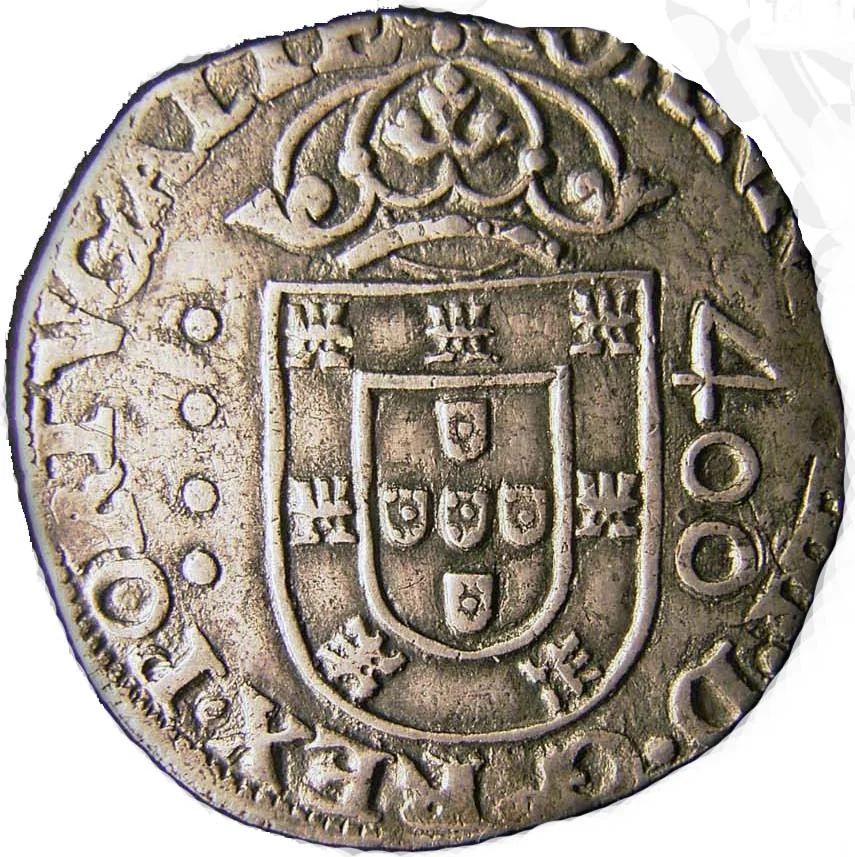
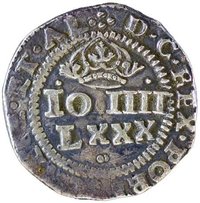
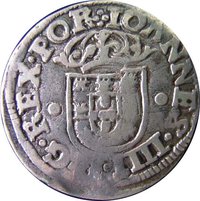
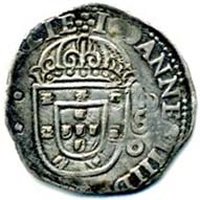
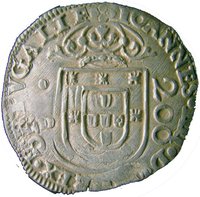
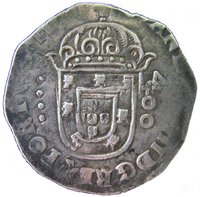
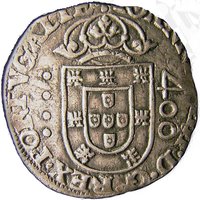
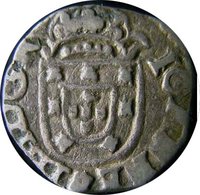
Obverse
Inscription:
IOANNES IIII D G REX PORTVGALIE
400
400
Script: Latin
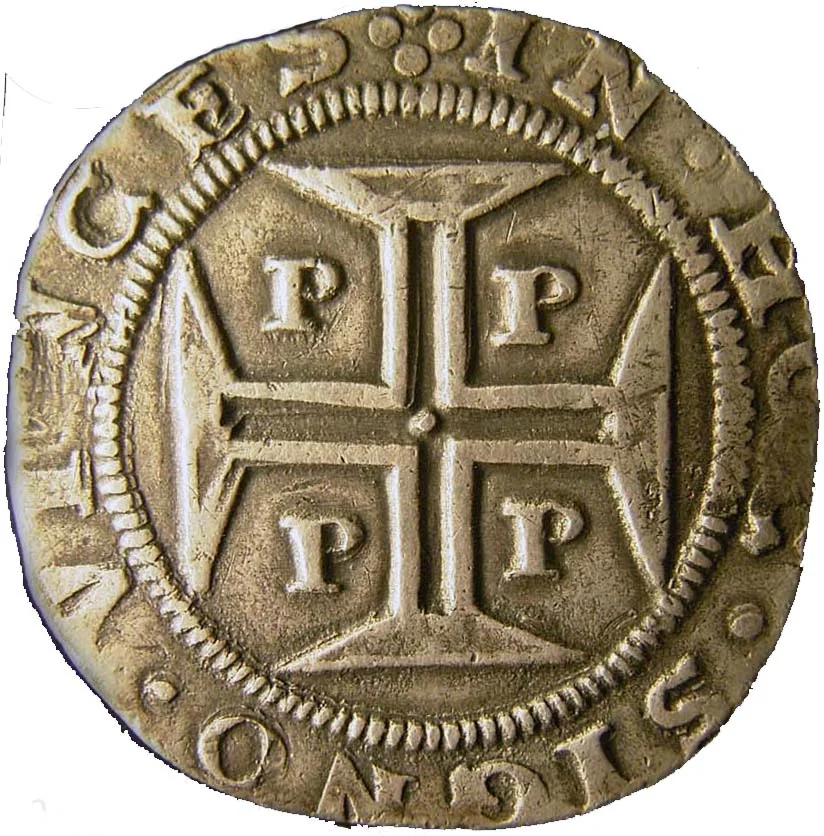
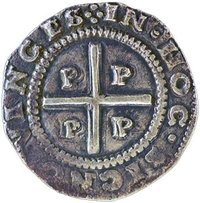
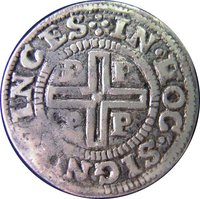
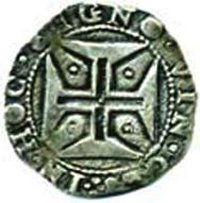
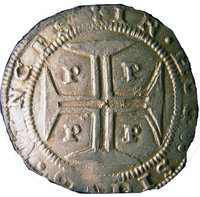
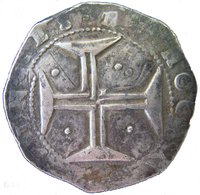
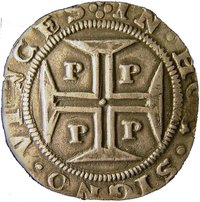
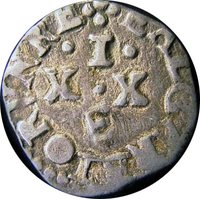
Reverse
Inscription:
IN HOC SIGNO VINCES
PP
PP
PP
PP
Script: Latin
Edge
Mints
| Name | Mark |
|---|---|
| Porto | PPPP |
Mintings
| Year | Mint Mark | Mintage | Quality | Collection |
|---|---|---|---|---|
| — | PPPP | — |
Historical background
In 1643, Portugal was in the midst of the Restoration War (1640-1668), fighting to secure its independence from the Spanish Habsburg monarchy. This prolonged conflict placed an immense financial strain on the fledgling kingdom of King John IV. The crown's primary response was to debase the currency, a common but destructive fiscal tool of the era. The silver real was significantly reduced in weight and fineness, leading to a proliferation of low-quality coinage that eroded public trust and disrupted commerce.
The monetary system was chaotic, characterized by a confusing mix of old, full-value Portuguese coins, newer debased issues, and various foreign currencies, particularly Spanish pieces of eight, which remained in circulation due to decades of Iberian Union. This situation caused severe inflation, as the intrinsic value of coins fell while prices for goods and military supplies soared. The crown struggled to pay its troops and foreign allies, leading to further desperate minting and a deepening cycle of devaluation.
Despite the chaos, 1643 was also a year of attempted reform. Recognizing the damage, the Portuguese government began to plan for a more stable currency. This culminated in 1643 with the issuance of a new silver coin, the pataca, intended to have a fixed and reliable value to facilitate trade and state finance. However, the pressures of war meant that monetary stability would remain elusive for decades, with the currency situation of 1643 representing a critical low point and a tentative first step toward the eventual restructuring of Portugal's financial system after independence was secured.
The monetary system was chaotic, characterized by a confusing mix of old, full-value Portuguese coins, newer debased issues, and various foreign currencies, particularly Spanish pieces of eight, which remained in circulation due to decades of Iberian Union. This situation caused severe inflation, as the intrinsic value of coins fell while prices for goods and military supplies soared. The crown struggled to pay its troops and foreign allies, leading to further desperate minting and a deepening cycle of devaluation.
Despite the chaos, 1643 was also a year of attempted reform. Recognizing the damage, the Portuguese government began to plan for a more stable currency. This culminated in 1643 with the issuance of a new silver coin, the pataca, intended to have a fixed and reliable value to facilitate trade and state finance. However, the pressures of war meant that monetary stability would remain elusive for decades, with the currency situation of 1643 representing a critical low point and a tentative first step toward the eventual restructuring of Portugal's financial system after independence was secured.
Series: 1643 Portugal circulation coins
✨ Legendary