

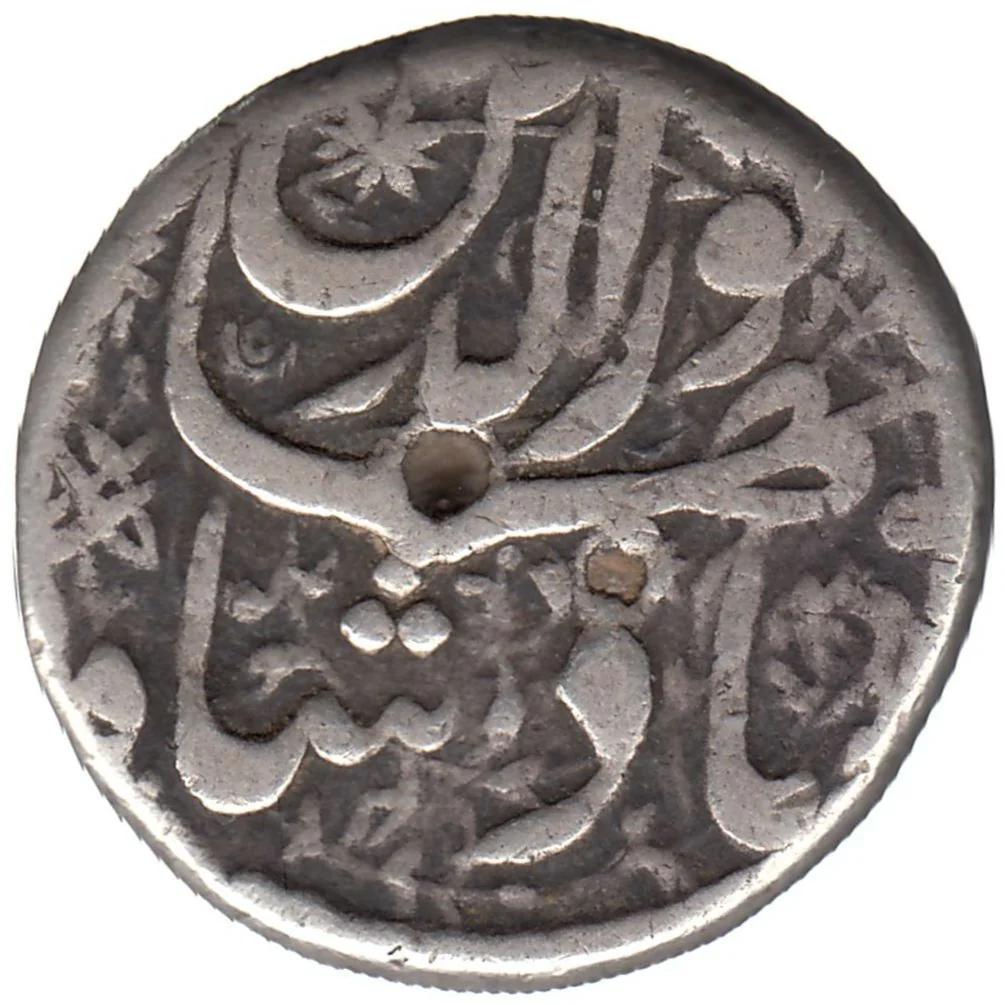
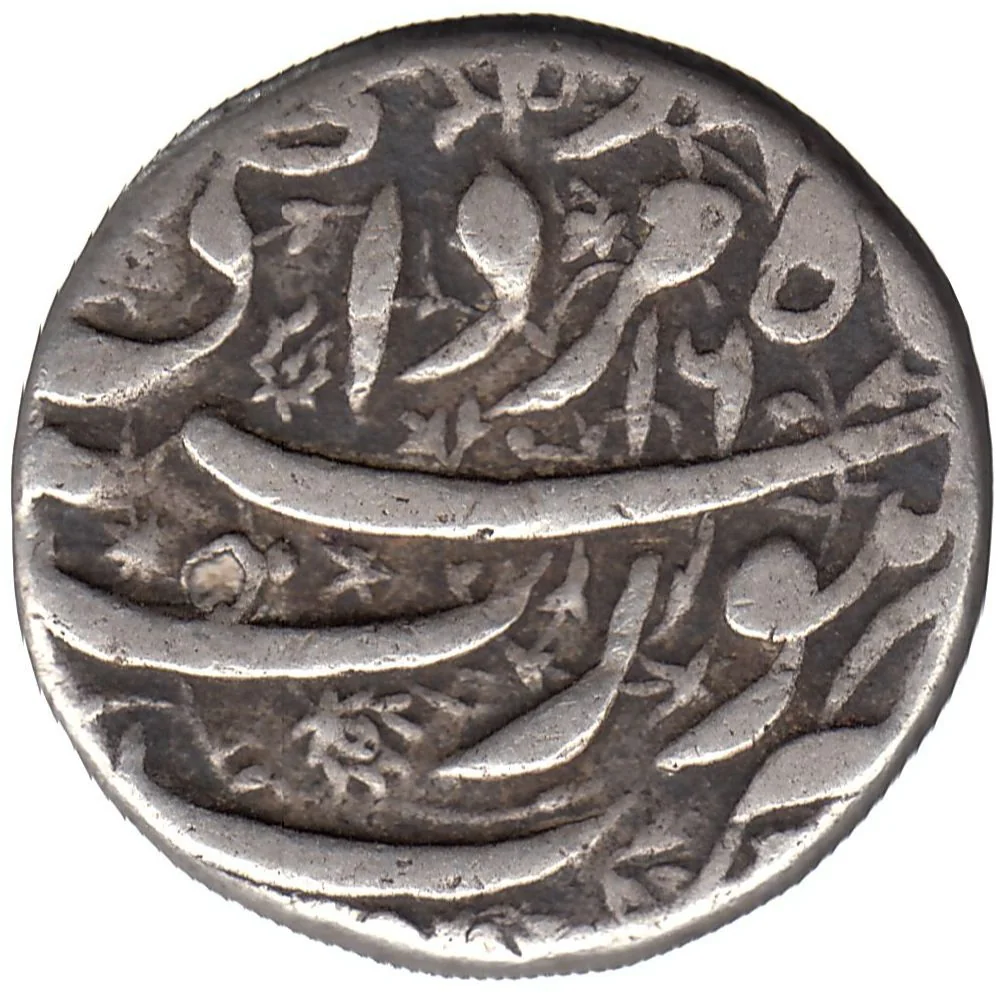
1 Rupee – Mughal Empire
India
Context
Years: 1613–1624
Country: India 
Issuer: Mughal Empire
Ruler: Jahangir I
Currency:
(1540—1842)
Demonetized: Yes
Material
References
KM: #Click to copy to clipboard148.1
Numista: #409008
Value
Bullion value: $32.72
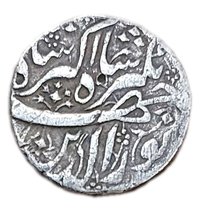
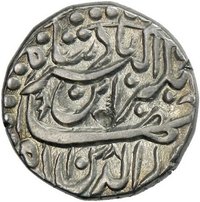
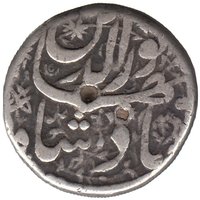
Obverse
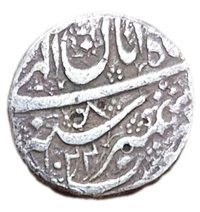
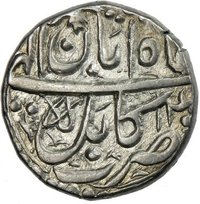
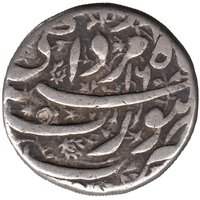
Reverse
Edge
Plain
Mintings
| Year | Mint Mark | Mintage | Quality | Collection |
|---|---|---|---|---|
| 1613 | — | — | ||
| 1614 | — | — | ||
| 1621 | — | — | ||
| 1622 | — | — | ||
| 1623 | — | — | ||
| 1624 | — | — |
Historical background
In 1613, the Mughal Empire's currency system under Emperor Jahangir was a well-established and sophisticated bimetallic standard, built upon the reforms of his father, Akbar. The empire minted two primary coins: the silver rupee and the gold mohur. The rupee, the workhorse of the economy, was highly standardized, containing approximately 11.5 grams of pure silver (0.989 fineness) and was the dominant medium for revenue collection, large-scale trade, and state expenditure. The gold mohur, while officially valued at nine rupees, often fluctuated in market value based on the relative supply of gold and silver bullion. Copper dams served as the ubiquitous fractional currency for daily local transactions, with 40 dams theoretically equaling one rupee, though their intrinsic value and exchange rates could vary regionally.
The stability and uniformity of the currency were maintained through a centralized network of imperial mints (sikkas), which operated under strict regulations to ensure consistent weight and purity. Jahangir, known for his artistic inclinations, had recently introduced a notable innovation: portrait rupees. Beginning around 1611-1614, these coins featured small, exquisite likenesses of the emperor, a break from the traditional Islamic prohibition on figural representation and a testament to Jahangir's personal iconography and the empire's confidence. This period also saw the continued circulation of a multitude of foreign coins, particularly Spanish silver reales from the Americas, which flowed into the Mughal economy via trade with European companies and were often reminted into imperial rupees.
Economically, the year 1613 fell within a period of general monetary stability and imperial expansion. The reliable currency facilitated immense internal trade and a booming export sector in textiles, indigo, and spices, generating substantial revenue. However, the system was not without its pressures. The empire's vast size and the autonomy of regional jagirdars (revenue assignees) sometimes led to local shortages or the circulation of substandard imitations. Furthermore, the increasing presence of European trading companies, like the English East India Company which had just established its first factory at Surat in 1612, began linking the Mughal monetary system more directly to global flows of silver, a connection that would have profound long-term consequences.
The stability and uniformity of the currency were maintained through a centralized network of imperial mints (sikkas), which operated under strict regulations to ensure consistent weight and purity. Jahangir, known for his artistic inclinations, had recently introduced a notable innovation: portrait rupees. Beginning around 1611-1614, these coins featured small, exquisite likenesses of the emperor, a break from the traditional Islamic prohibition on figural representation and a testament to Jahangir's personal iconography and the empire's confidence. This period also saw the continued circulation of a multitude of foreign coins, particularly Spanish silver reales from the Americas, which flowed into the Mughal economy via trade with European companies and were often reminted into imperial rupees.
Economically, the year 1613 fell within a period of general monetary stability and imperial expansion. The reliable currency facilitated immense internal trade and a booming export sector in textiles, indigo, and spices, generating substantial revenue. However, the system was not without its pressures. The empire's vast size and the autonomy of regional jagirdars (revenue assignees) sometimes led to local shortages or the circulation of substandard imitations. Furthermore, the increasing presence of European trading companies, like the English East India Company which had just established its first factory at Surat in 1612, began linking the Mughal monetary system more directly to global flows of silver, a connection that would have profound long-term consequences.
✨ Legendary