

⅙ Ducat – Royal Mint of Silesia
Context
Years: 1669–1682
Country: Bohemia
Issuer: Royal Mint of Silesia
Ruler: Leopold I
Currency:
Demonetized: Yes
Material
References
KM: #Click to copy to clipboard492
Numista: #408958
Value
Bullion value: $95.59
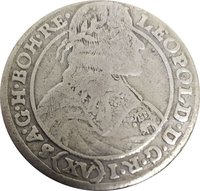
Obverse
Description:
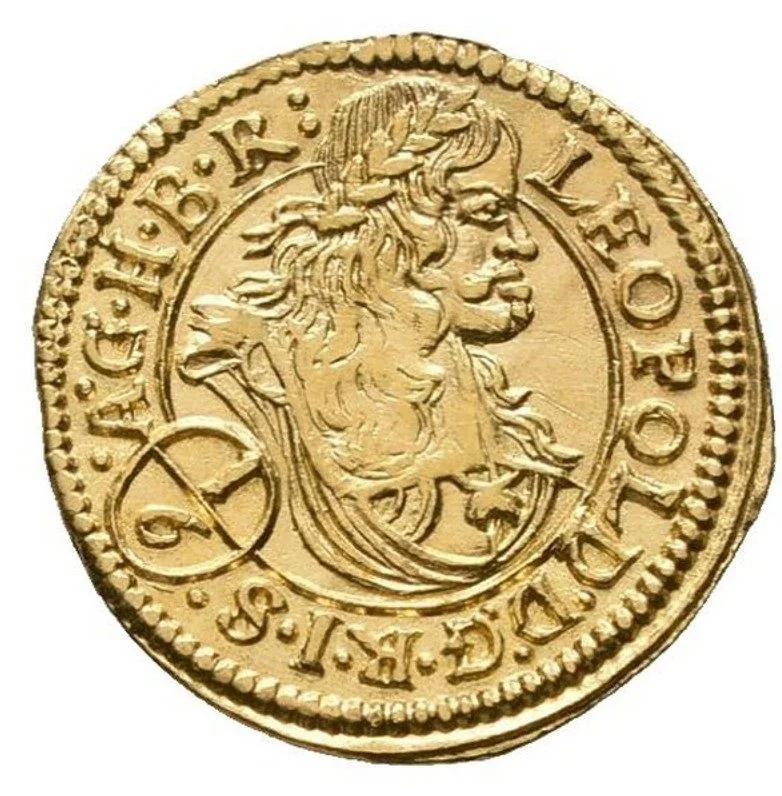
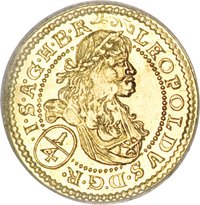
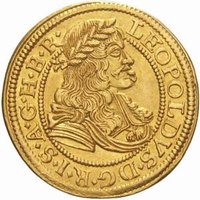
Laureate bust right within inner circle.
Inscription:
LEOPOLD D G R I S (1/6) A G H B R
Script: Latin
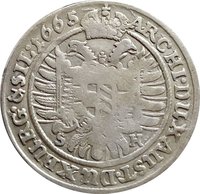
Reverse
Description:
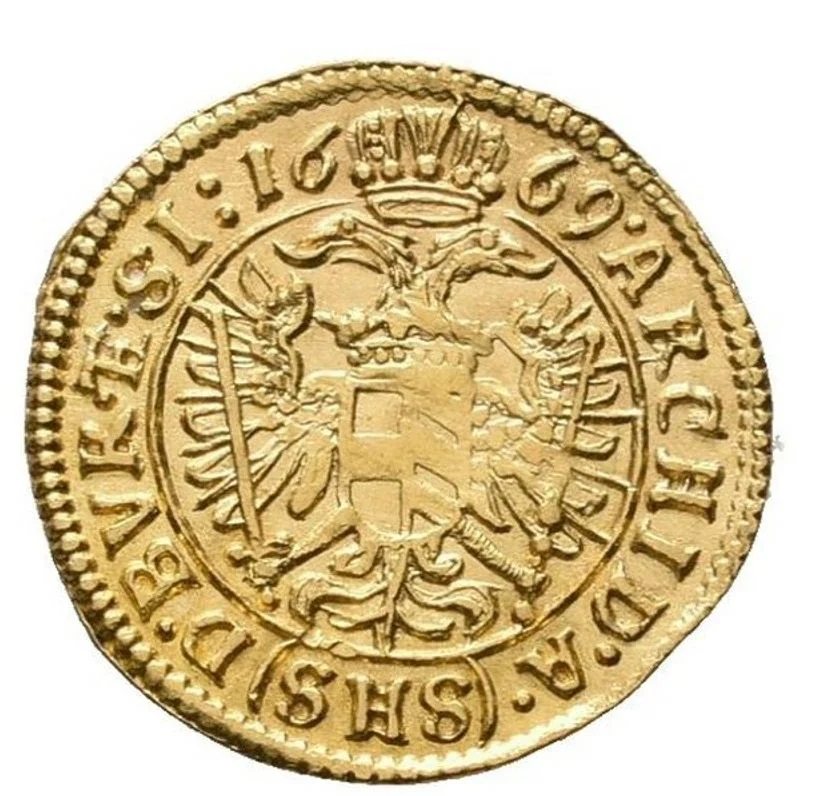
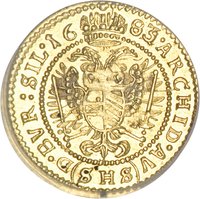
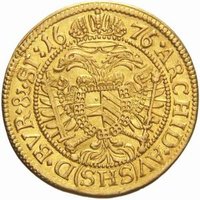
Double-headed crowned eagle, holding sword and scepter, with a shield on its chest. The date is divided above by the crown.
Inscription:
ARCHID A (SHS) D BVR Et SI
Script: Latin
Edge
Mints
| Name | Mark |
|---|---|
| Wrocław | — |
Mintings
| Year | Mint Mark | Mintage | Quality | Collection |
|---|---|---|---|---|
| 1669 | — | — | ||
| 1670 | — | — | ||
| 1671 | — | — | ||
| 1673 | — | — | ||
| 1674 | — | — | ||
| 1675 | — | — | ||
| 1676 | — | — | ||
| 1677 | — | — | ||
| 1679 | — | — | ||
| 1681 | — | — | ||
| 1682 | — | — |
Historical background
In 1669, the Royal Mint of Silesia operated within a complex and strained monetary landscape. The region, then part of the Habsburg monarchy, was deeply affected by the aftermath of the Thirty Years' War, which had devastated local economies and disrupted trade. Furthermore, Silesia existed in a zone of monetary competition, influenced by the influx of lower-quality coins from neighboring states like Poland and Brandenburg. This "currency jungle" of debased and foreign coins circulating alongside official issues created significant challenges for commerce and state revenue, prompting authorities to repeatedly attempt currency reforms and re-coinages to assert control.
The mint itself, likely referring to the facility in Wrocław (Breslau), functioned under a lease or contract system, where the right to mint coins was farmed out to private individuals or consortia. These mint lessees were driven by profit, often leading to tensions with the royal authorities who sought to maintain the standard and reputation of the currency. In this period, the primary silver coin produced was the groschen, but the pressure to generate seigniorage (profit from minting) and the high price of silver bullion created a constant temptation to reduce the precious metal content, thereby contributing to inflationary pressures.
Therefore, the currency situation in 1669 was one of fragility and manipulation. The Habsburg state's need for revenue, the lessees' pursuit of profit, and the pervasive circulation of foreign and debased coinage all worked against monetary stability. Efforts to introduce standardized, high-quality imperial Reichsthalers faced an uphill battle against these entrenched economic realities, making the Royal Mint a focal point in the struggle to bring order to Silesia's post-war economy.
The mint itself, likely referring to the facility in Wrocław (Breslau), functioned under a lease or contract system, where the right to mint coins was farmed out to private individuals or consortia. These mint lessees were driven by profit, often leading to tensions with the royal authorities who sought to maintain the standard and reputation of the currency. In this period, the primary silver coin produced was the groschen, but the pressure to generate seigniorage (profit from minting) and the high price of silver bullion created a constant temptation to reduce the precious metal content, thereby contributing to inflationary pressures.
Therefore, the currency situation in 1669 was one of fragility and manipulation. The Habsburg state's need for revenue, the lessees' pursuit of profit, and the pervasive circulation of foreign and debased coinage all worked against monetary stability. Efforts to introduce standardized, high-quality imperial Reichsthalers faced an uphill battle against these entrenched economic realities, making the Royal Mint a focal point in the struggle to bring order to Silesia's post-war economy.
✨ Legendary