

48 stuivers – Netherlands East Indies
Add to wishlist
Indonesia
Context
Years: 1645–1646
Country: Indonesia
Issuer: Netherlands East Indies
Period:
(1602—1800)
Currency:
(1601—1694)
Demonetized: Yes
Material
References
KM: #
Numista: #397306
Value
Bullion value: $65.25
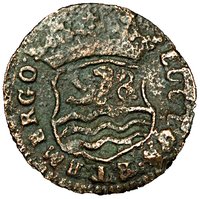
Obverse
Description:
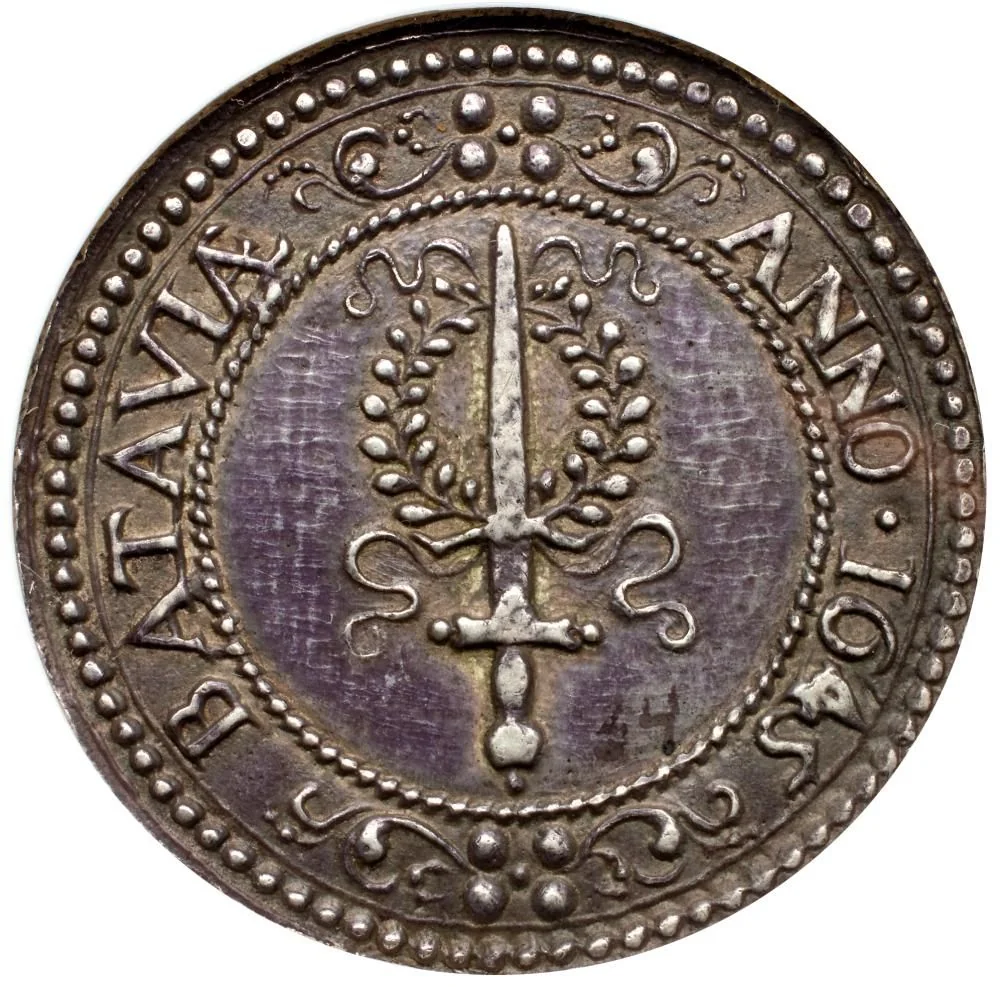
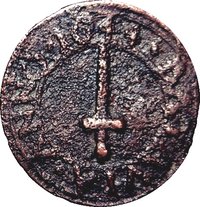
Batavia's arms (vertical sword) within inner circle.
Inscription:
· BATAVIÆ · ANNO · 1645 ·
Script: Latin
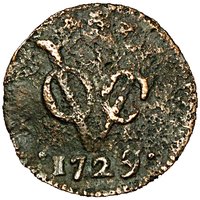
Reverse
Description:
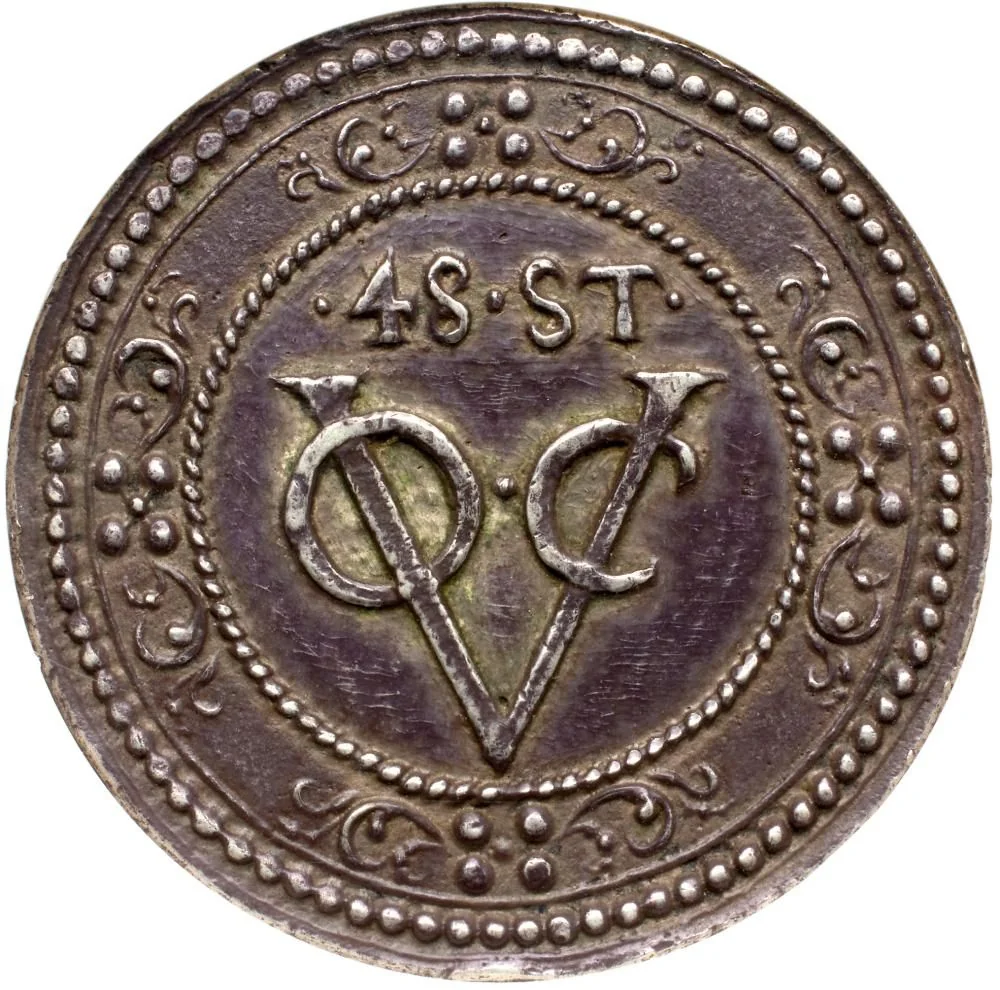
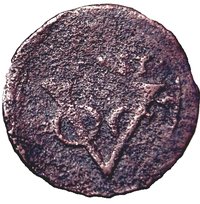
VOC monogram below value, inside dotted circle.
Inscription:
· 48 · ST ·
VOC
VOC
Script: Latin
Edge
Mints
| Name | Mark |
|---|---|
| Batavia | — |
Mintings
| Year | Mint Mark | Mintage | Quality | Collection |
|---|---|---|---|---|
| 1645 | — | — | ||
| 1646 | — | — |
Historical background
In 1645, the currency situation in the Netherlands East Indies (NEI) was a complex and often chaotic system defined by the coexistence of official and unofficial monies. The Dutch East India Company (VOC), which governed the territory, officially valued transactions in the Dutch guilder. However, physical Dutch coinage was scarce in the archipelago. The primary circulating coins were silver Spanish reales and Mexican pesos (often called "pieces of eight"), which were accepted globally due to their reliable silver content. The VOC attempted to fix their value against the guilder, but market forces and fluctuating silver supplies often created discrepancies.
Alongside this "hard" currency, a vast array of Asian coins circulated locally, most notably Japanese silver koban and ichibu (following the 1630s closure of Japan, the VOC became a key exporter of this silver) and various low-value copper coins from China and the Malay world. The most critical and problematic element, however, was the VOC's own prolific minting of lead and copper doits (duits). These small coins were intentionally overvalued by the Company to facilitate small-scale trade and pay local expenses, but they were not trusted for large transactions or by foreign merchants, leading to a two-tier monetary system.
This multi-currency environment created significant challenges for the VOC administration and traders. Currency exchange and speculation were rampant, and the Company constantly battled against clipping, counterfeiting, and the outflow of "good" full-weight silver coins. The situation in 1645 was one of managed inconsistency, where the VOC's economic power was maintained not through a unified currency, but through its authority to set exchange rates and compel the use of its less valuable coinage in local transactions, a practice that often bred inflation and discontent among both the local population and European settlers.
Alongside this "hard" currency, a vast array of Asian coins circulated locally, most notably Japanese silver koban and ichibu (following the 1630s closure of Japan, the VOC became a key exporter of this silver) and various low-value copper coins from China and the Malay world. The most critical and problematic element, however, was the VOC's own prolific minting of lead and copper doits (duits). These small coins were intentionally overvalued by the Company to facilitate small-scale trade and pay local expenses, but they were not trusted for large transactions or by foreign merchants, leading to a two-tier monetary system.
This multi-currency environment created significant challenges for the VOC administration and traders. Currency exchange and speculation were rampant, and the Company constantly battled against clipping, counterfeiting, and the outflow of "good" full-weight silver coins. The situation in 1645 was one of managed inconsistency, where the VOC's economic power was maintained not through a unified currency, but through its authority to set exchange rates and compel the use of its less valuable coinage in local transactions, a practice that often bred inflation and discontent among both the local population and European settlers.
✨ Legendary