

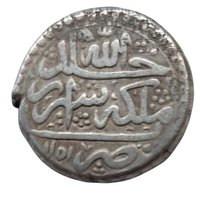
6 Shahi – Iran
Iran
Context
Material
Diameter: 17.3 mm
Weight: 6.8 g
Silver weight: 6.80 g
Thickness: 3 mm
Shape: Irregular round
Composition: Silver
Magnetic: No
Technique: Hammered
References
KM: #Click to copy to clipboard376.1
Numista: #397273
Value
Bullion value: $19.72
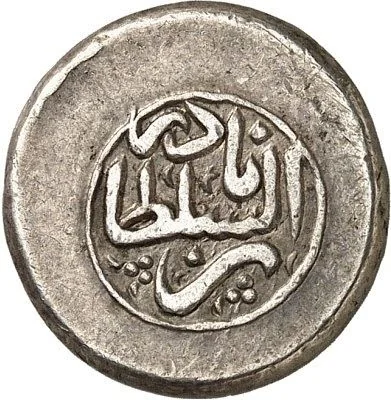
Obverse
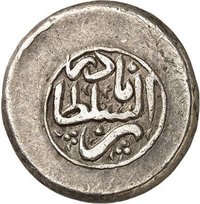
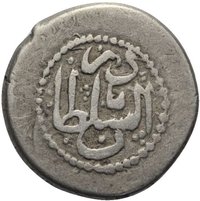
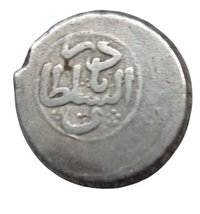
Inscription:
السلطان نادر
Script: Persian (nastaliq)
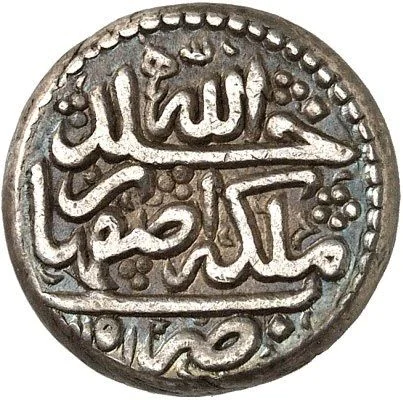
Reverse
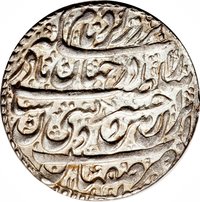
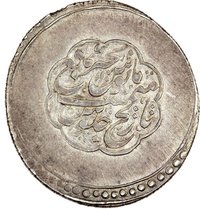
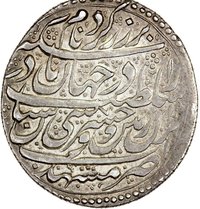
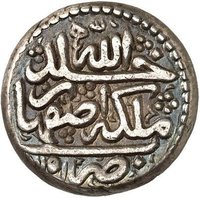
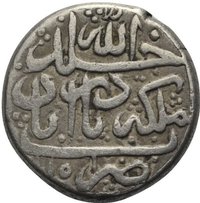
Inscription:
خــــلد الله ملکه
ضرب أصفهان
ضرب أصفهان
Script: Persian (nastaliq)
Edge
Plain.
Mints
| Name | Mark |
|---|---|
| Isfahan | — |
Mintings
| Year | Mint Mark | Mintage | Quality | Collection |
|---|---|---|---|---|
| 1737 | — | — | ||
| 1738 | — | — | ||
| 1739 | — | — |
Historical background
In 1737, Iran was under the rule of Nader Shah Afshar, a military genius who had seized power and ended the Safavid dynasty's rule. The currency situation was a direct reflection of the state's tumultuous finances, driven almost entirely by Nader's relentless military campaigns. The primary circulating coins were silver abbasis and copper pulis, but their value and reliability were in severe flux. Decades of instability, including Afghan invasions and civil war, had severely disrupted the silver supply from domestic mines and traditional trade routes, leading to chronic shortages of high-quality specie.
Nader Shah’s primary fiscal policy was one of extraction to fund his army. Rather than stabilizing the existing currency system, he systematically looted the treasuries of conquered territories, most notably during his invasion of Mughal India, which culminated in the sack of Delhi in 1739—just two years after 1737. The immense plunder of gold, silver, and jewels from India would later flood the Iranian economy, but in 1737, the state was still in the costly preparatory phase of these campaigns. Consequently, the government resorted to debasement, reducing the silver content in coins to stretch resources, which fueled inflation and eroded public trust in the currency.
Furthermore, the economy was heavily militarized and monetized through taxation rather than robust trade. Nader Shah imposed crippling taxes on a populace already suffering from war and banditry, often demanding payment in specific coin or in kind. This oppressive fiscal environment, combined with currency debasement, created a fragile and unpredictable monetary situation. The currency in 1737, therefore, was not a tool for economic prosperity but an instrument of a war machine, its stability wholly secondary to the immediate financial demands of conquest and consolidation of power.
Nader Shah’s primary fiscal policy was one of extraction to fund his army. Rather than stabilizing the existing currency system, he systematically looted the treasuries of conquered territories, most notably during his invasion of Mughal India, which culminated in the sack of Delhi in 1739—just two years after 1737. The immense plunder of gold, silver, and jewels from India would later flood the Iranian economy, but in 1737, the state was still in the costly preparatory phase of these campaigns. Consequently, the government resorted to debasement, reducing the silver content in coins to stretch resources, which fueled inflation and eroded public trust in the currency.
Furthermore, the economy was heavily militarized and monetized through taxation rather than robust trade. Nader Shah imposed crippling taxes on a populace already suffering from war and banditry, often demanding payment in specific coin or in kind. This oppressive fiscal environment, combined with currency debasement, created a fragile and unpredictable monetary situation. The currency in 1737, therefore, was not a tool for economic prosperity but an instrument of a war machine, its stability wholly secondary to the immediate financial demands of conquest and consolidation of power.
Series: 1737 Iran circulation coins
💎 Extremely Rare