

½ lira – Castiglione Delle Stiviere
Add to wishlist
Italy
Context
Years: 1678–1679
Country: Italy
Issuer: Castiglione Delle Stiviere
Ruler: Carlo
Currency:
Demonetized: Yes
Material
Diameter: 24 mm
Weight: 2.3 g
Shape: Irregular round
Composition: Billon
Technique: Hammered
Alignment: Medal alignment
flip
References
KM: #
Numista: #396595
Obverse
Description:
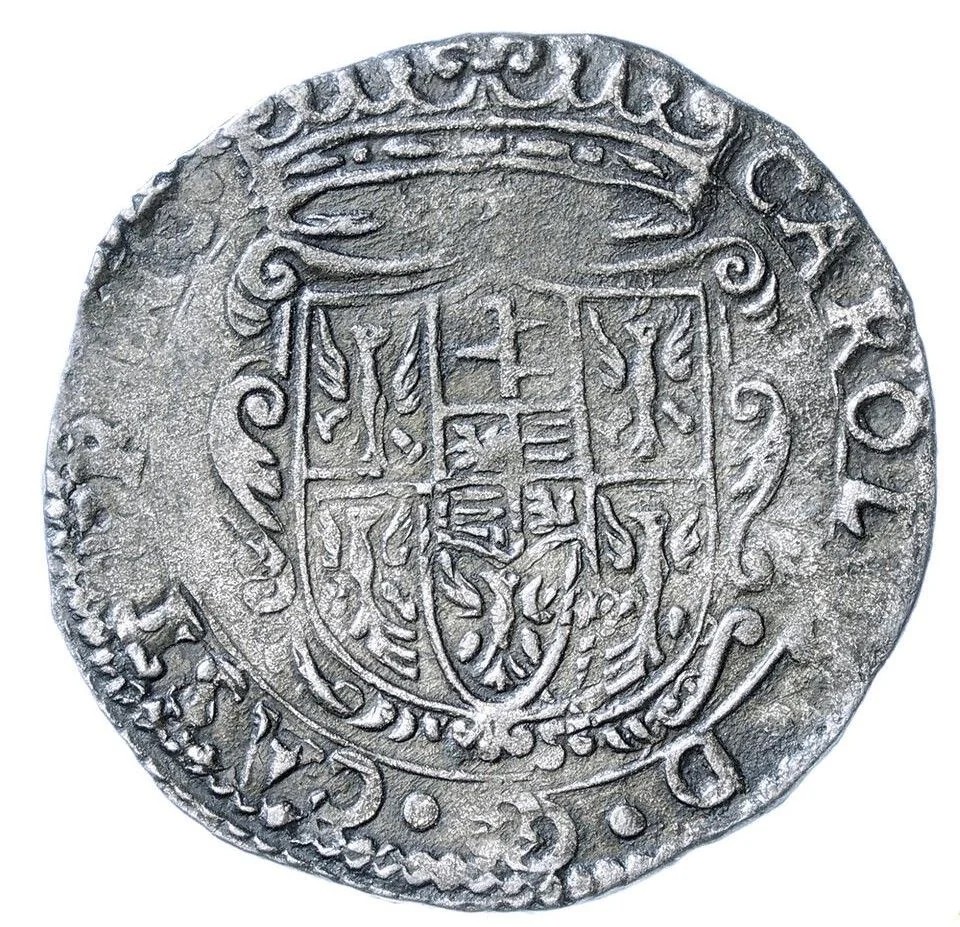
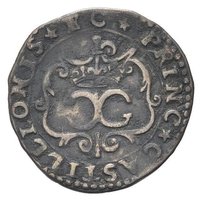
Crowned Gonzaga arms in a cartouche.
Inscription:
CAROLVS · D · G · CAST · PRINC ·
Script: Latin
Reverse
Description:
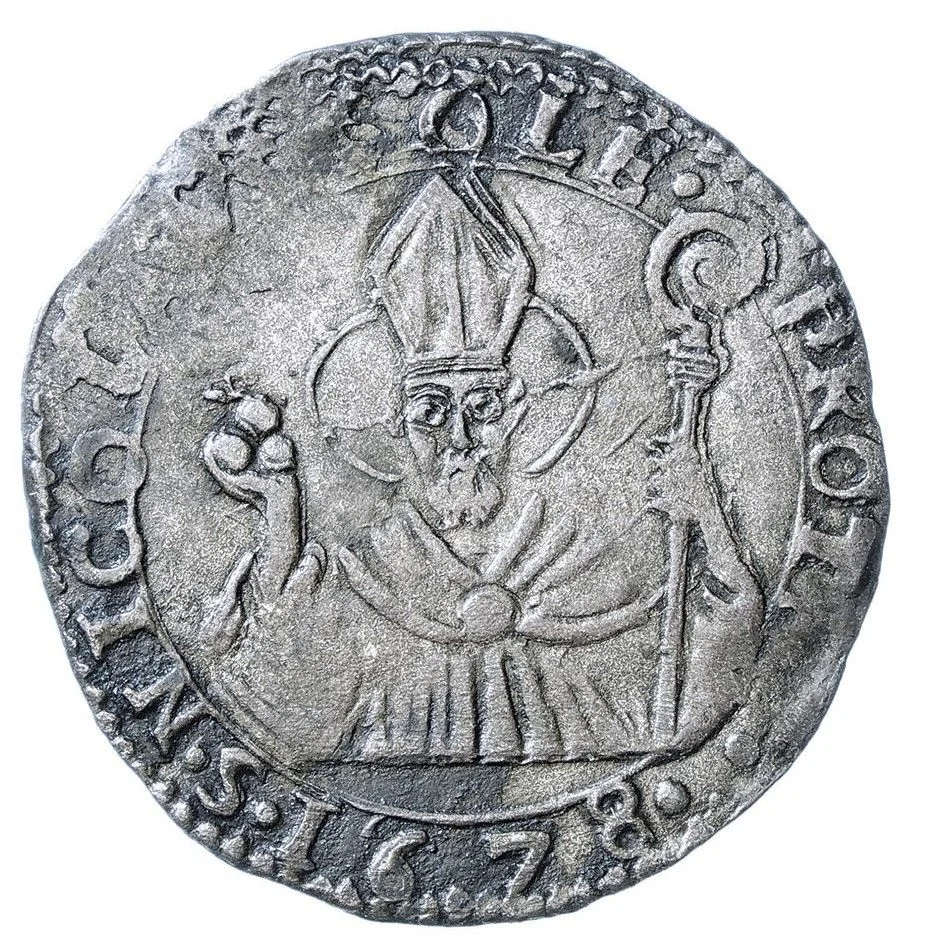
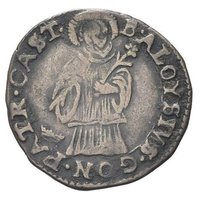
Saint Nicolas bust, holding crozier and three spheres, within inner circle. Date below.
Inscription:
· S · NICOLAVS · SOLF · PROT ·
Script: Latin
Edge
Categories
| Symbols> Coat of Arms |
| Person> Religious figure |
Mints
| Name | Mark |
|---|---|
| Castiglione delle Stiviere | — |
Mintings
| Year | Mint Mark | Mintage | Quality | Collection |
|---|---|---|---|---|
| 1678 | — | — | ||
| 1679 | — | — |
Historical background
In 1678, Castiglione delle Stiviere was a small but significant autonomous principality within the Duchy of Mantua, ruled by the Gonzaga family. Its currency situation was complex and subordinate to the wider monetary policies of the Mantuan state, which was itself under the influence of larger regional powers, particularly Spain and the Holy Roman Empire. The primary circulating coins were those minted by the Mantuan mint, such as the scudo, lira, and soldo, but in practice, the economy was flooded with a multitude of foreign currencies. Spanish silver reales, Venetian ducats and lire, and Imperial thalers all circulated freely alongside local issues, their value determined by fluctuating metal content and the volatile exchange rates common to the era.
This monetary plurality created chronic instability for local commerce. The value of coins was not fixed by face but by their intrinsic weight and fineness of precious metal, leading to constant clipping, debasement, and the practice of "crying up" or "crying down" coins by official decree. As a minor lordship, Castiglione delle Stiviere had no mint of its own and thus little direct control, leaving merchants and citizens vulnerable to sudden shifts in valuation proclaimed in Mantua. The problem was exacerbated by the broader economic decline of the Mantuan state, which was still recovering from the devastating War of the Mantuan Succession (1628–1631) and subsequent plagues, leading to chronic shortages of high-quality specie.
Consequently, daily transactions in the town's markets were likely conducted using a jumble of worn, small-denomination coins, with careful scrutiny required for every exchange. The local authorities would have been preoccupied with enforcing official exchange rates and combating counterfeit or severely degraded coins, a nearly impossible task. This fragmented and unreliable currency system mirrored the political fragmentation of Italy at the time, acting as a persistent drag on economic recovery and a source of friction in both local trade and the principality's fiscal administration.
This monetary plurality created chronic instability for local commerce. The value of coins was not fixed by face but by their intrinsic weight and fineness of precious metal, leading to constant clipping, debasement, and the practice of "crying up" or "crying down" coins by official decree. As a minor lordship, Castiglione delle Stiviere had no mint of its own and thus little direct control, leaving merchants and citizens vulnerable to sudden shifts in valuation proclaimed in Mantua. The problem was exacerbated by the broader economic decline of the Mantuan state, which was still recovering from the devastating War of the Mantuan Succession (1628–1631) and subsequent plagues, leading to chronic shortages of high-quality specie.
Consequently, daily transactions in the town's markets were likely conducted using a jumble of worn, small-denomination coins, with careful scrutiny required for every exchange. The local authorities would have been preoccupied with enforcing official exchange rates and combating counterfeit or severely degraded coins, a nearly impossible task. This fragmented and unreliable currency system mirrored the political fragmentation of Italy at the time, acting as a persistent drag on economic recovery and a source of friction in both local trade and the principality's fiscal administration.
✨ Legendary