


Obverse
Description:
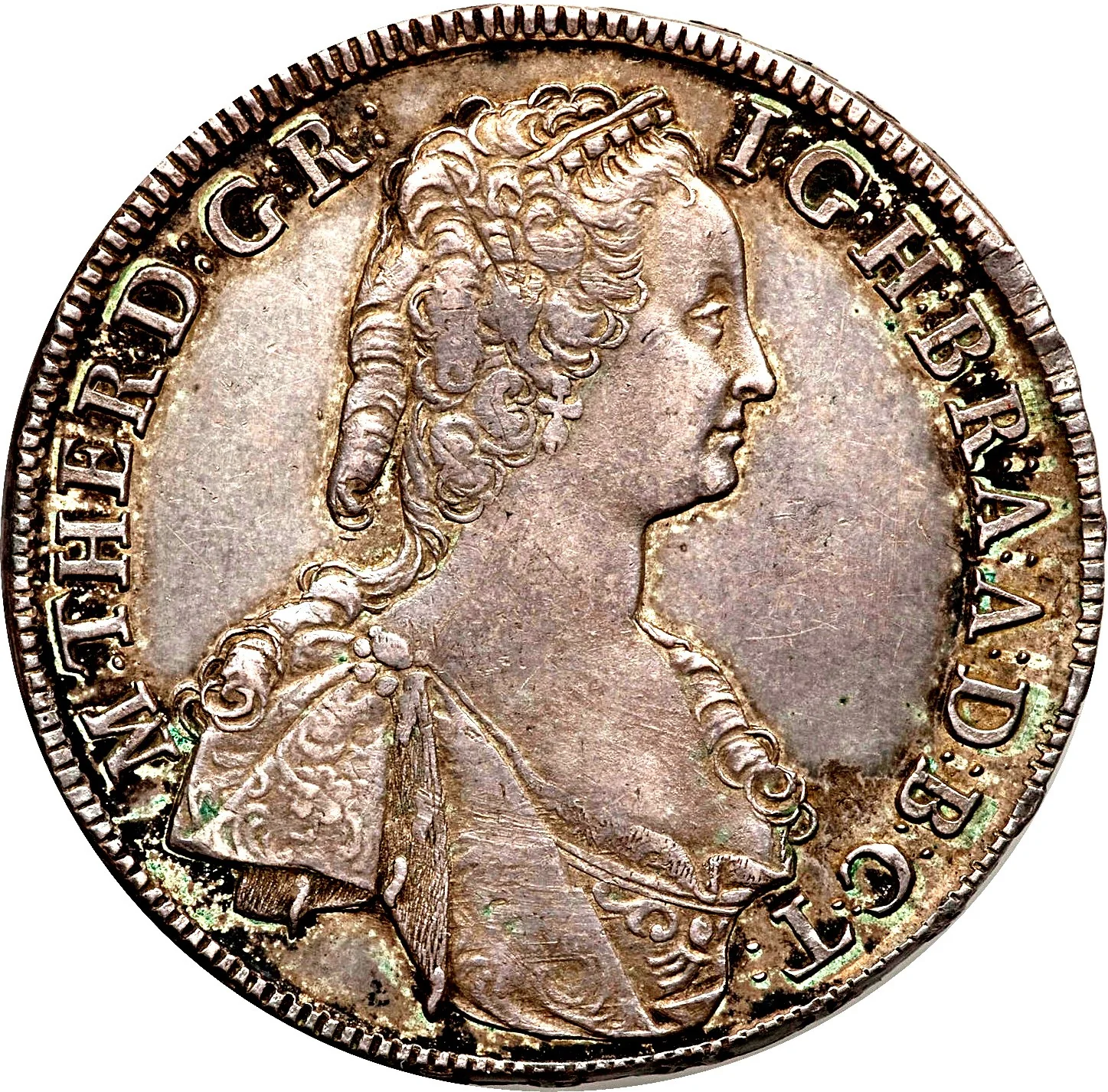
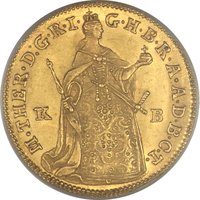
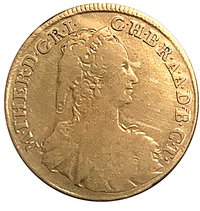
Head with corolla, varied dress, enhanced bust.
Inscription:
M · THER · D · G · R · I · G · H · B · R · A · A · D · B · C · T ·
Script: Latin
Reverse
Description:
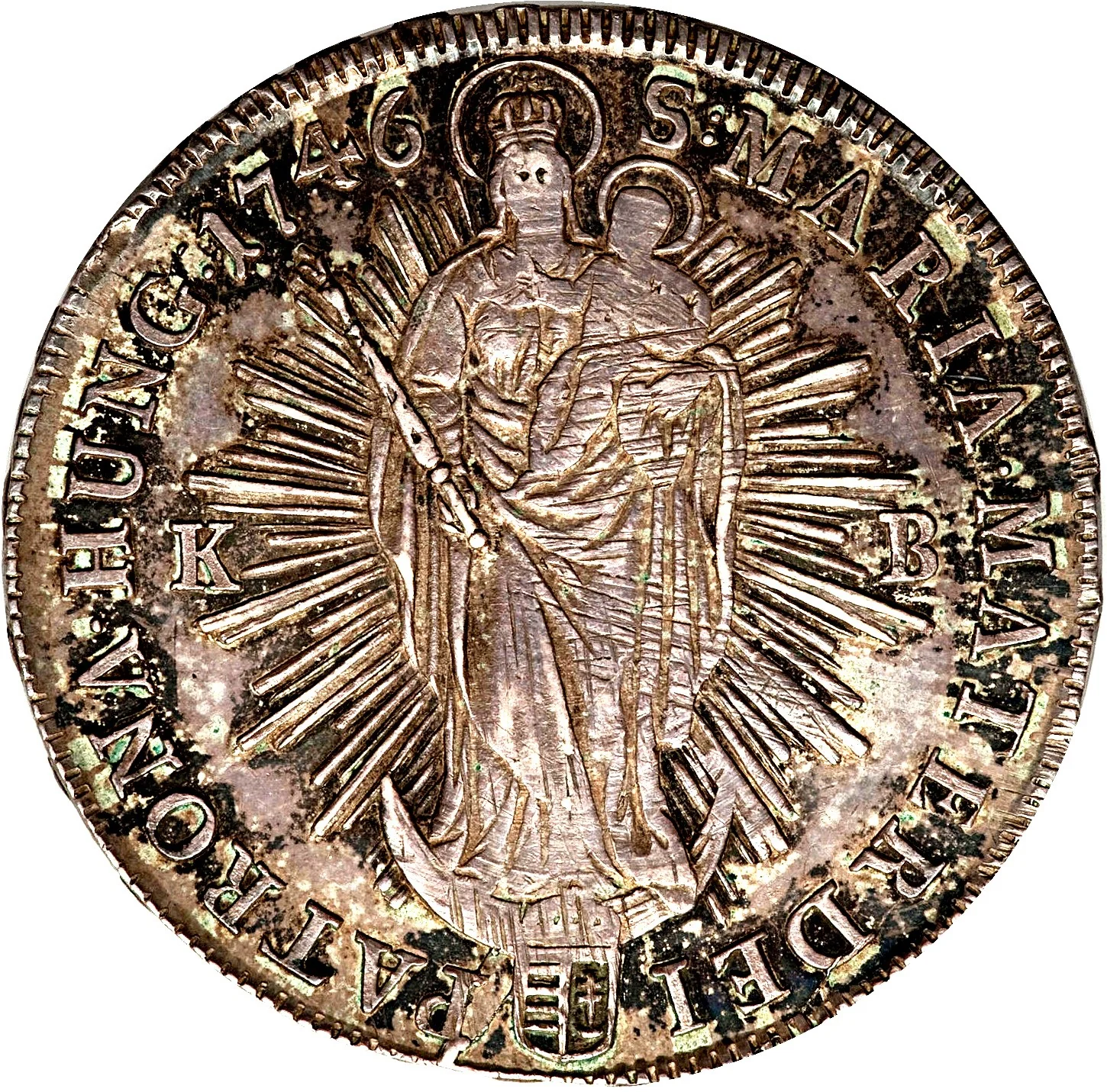
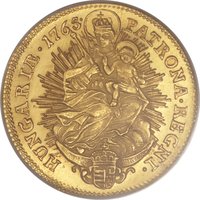
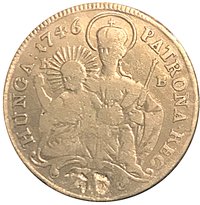
Madonna on crescent above a simple crowned Hungarian shield.
Inscription:
S : MARIA MATER DEI PATRONA HUNG : 1746 ·
K B
K B
Script: Latin
Edge
Inscripted
Legend:
IUSTITIA ET CLEMENTIA
Mints
| Name | Mark |
|---|---|
| Kremnica | K B |
Mintings
| Year | Mint Mark | Mintage | Quality | Collection |
|---|---|---|---|---|
| 1746 | K | — | ||
| 1747 | K | — |
Historical background
In 1746, Hungary’s currency situation was complex and strained, deeply entangled with the fiscal policies of the Habsburg Monarchy. Following the expulsion of the Ottoman Turks, the region was integrated into the Austrian financial system, which frequently used Hungarian mineral wealth and taxation to fund its extensive military campaigns, particularly the ongoing War of the Austrian Succession (1740-1748). The primary circulating coins were the silver Thaler (or Talér) and the gold Ducat, but the economy also relied heavily on a cumbersome system of lower-value copper and billon coins for everyday transactions.
The core of the monetary instability stemmed from Vienna’s repeated debasements of the coinage. To raise revenue for the war, the state minted excessive quantities of low-quality subsidiary coins, especially copper Kreuzers and Polturas, with an artificially high face value. This practice, akin to a hidden tax, led to severe inflation, a loss of public trust in the currency, and Gresham’s Law in action, where “bad money drove out good.” People hoarded the older, full-weight silver coins, exacerbating shortages and disrupting commerce. The situation was particularly acute in Hungary, where the local economy bore the brunt of these policies despite its contributions to the imperial treasury.
Consequently, 1746 fell within a period of chronic monetary disorder that would persist for decades. While there were no major reforms enacted in that specific year, the deteriorating conditions highlighted the growing tension between Hungarian estates and the Viennese court over financial autonomy. The background noise of currency devaluation and inflation weakened the local economy, burdened the peasantry, and fueled discontent, setting the stage for later reform attempts, such as those under Maria Theresa in the 1750s and 1760s to standardize and stabilize the coinage across the empire.
The core of the monetary instability stemmed from Vienna’s repeated debasements of the coinage. To raise revenue for the war, the state minted excessive quantities of low-quality subsidiary coins, especially copper Kreuzers and Polturas, with an artificially high face value. This practice, akin to a hidden tax, led to severe inflation, a loss of public trust in the currency, and Gresham’s Law in action, where “bad money drove out good.” People hoarded the older, full-weight silver coins, exacerbating shortages and disrupting commerce. The situation was particularly acute in Hungary, where the local economy bore the brunt of these policies despite its contributions to the imperial treasury.
Consequently, 1746 fell within a period of chronic monetary disorder that would persist for decades. While there were no major reforms enacted in that specific year, the deteriorating conditions highlighted the growing tension between Hungarian estates and the Viennese court over financial autonomy. The background noise of currency devaluation and inflation weakened the local economy, burdened the peasantry, and fueled discontent, setting the stage for later reform attempts, such as those under Maria Theresa in the 1750s and 1760s to standardize and stabilize the coinage across the empire.
✨ Legendary