Logo Title
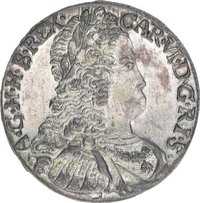
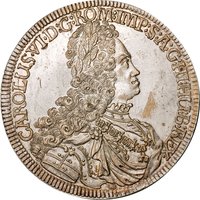
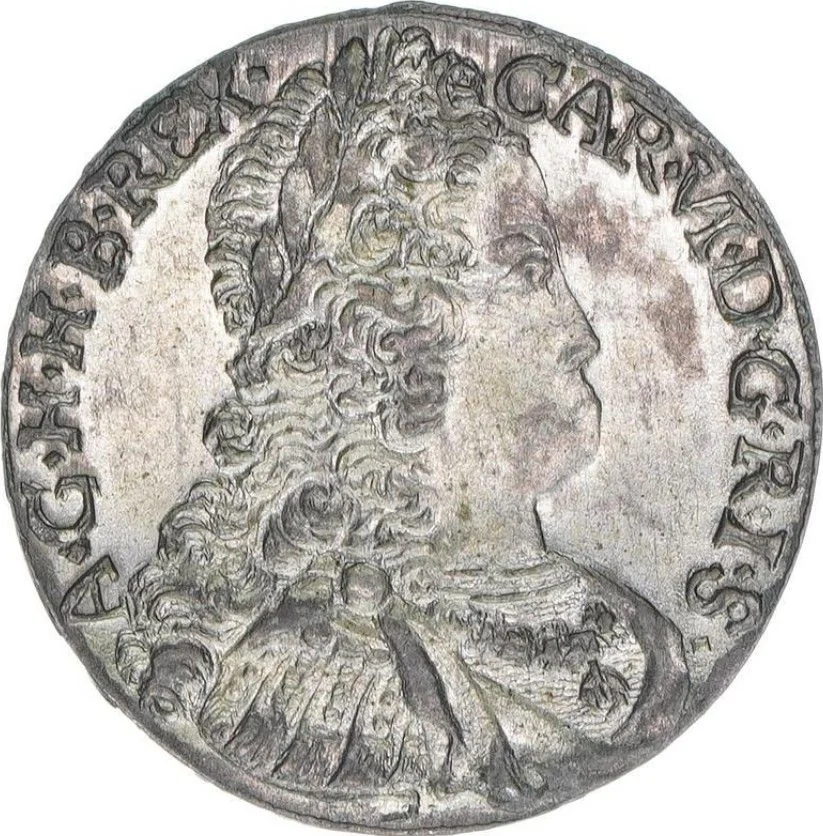
obverse
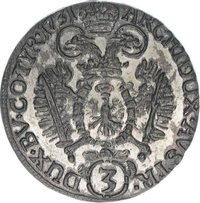
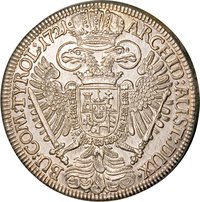
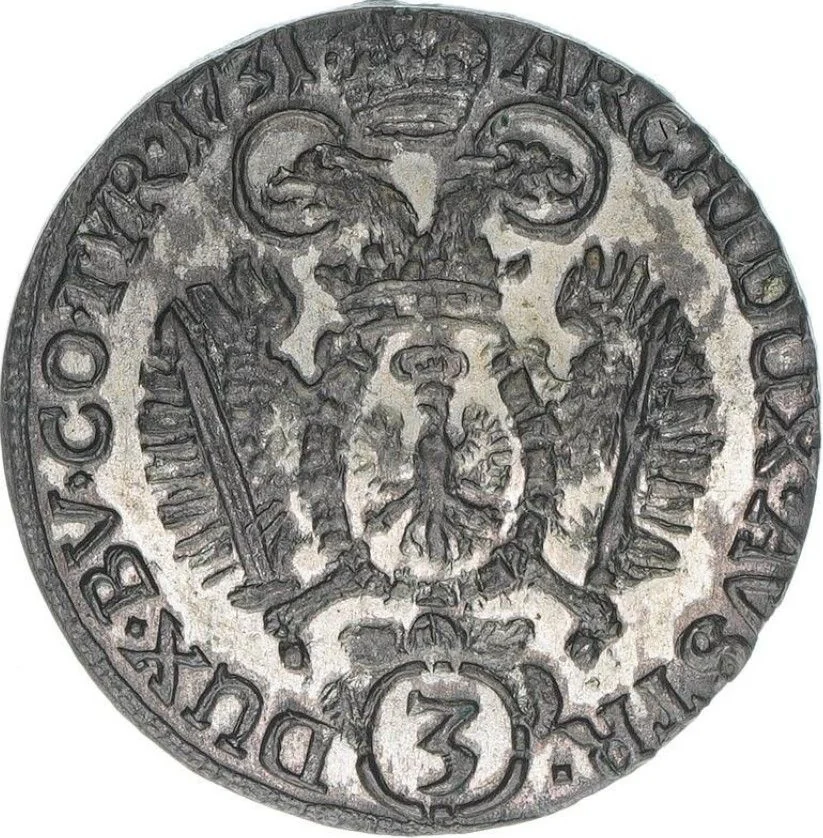
reverse
Numismatik Zöttl
Austria
Context
Years: 1716–1740
Country: Austria Country flag
Currency:
Demonetized: Yes
Material
Diameter: 21 mm
Weight: 1.73 g
Shape: Round
Composition: Billon (46.87% Silver)
Alignment: Medal alignment
Obverse
OBVERSE ↑
flip
Reverse
REVERSE ↑
References
KM: #Click to copy to clipboard1587
Numista: #39145

Obverse

Description:
Bust of Charles VI facing right, legend encircling, head dividing inscription.
Inscription:
CAR VI D G R I S A G H H B REX
Script: Latin

Reverse

Description:
Imperial double-headed eagle with Tyrol's crowned arms on its breast, value below in a cartouche. Legend around, date at end.
Inscription:
ARCHIDUX AVSTR DUX BV CO TYR 1731
Script: Latin

Edge

Plain

Mints

NameMark
Hall

Mintings

YearMint MarkMintageQualityCollection
1716
1726
1727
1728
1729
1730
1731
1733
1734
1736BU
1737BU
1738
1739
1740

Historical background

In 1716, the County of Tyrol, a core province of the Habsburg Monarchy, operated within a complex and strained monetary system. The region did not have its own mint; instead, it primarily used coins struck by the central imperial authority, notably the silver Reichsthaler and its smaller division, the Kreuzer. However, the early 18th century was a period of significant financial pressure for the Habsburgs due to the enormous costs of the War of the Spanish Succession (1701-1714) and the ongoing Austro-Turkish War (1716-1718). To raise funds, the state frequently engaged in currency debasement—reducing the precious metal content in coins while maintaining their face value.

This practice led to chronic instability, as older, full-weight coins were hoarded or melted down, leaving poorer-quality currency in circulation. The situation was exacerbated by the influx of foreign coins, particularly from neighboring German states and Italy, which further complicated trade and exchange. Local authorities in Tyrol grappled with the practical challenges of setting reliable exchange rates and combating counterfeit coins, which thrived in such an uncertain environment. The resulting inflation eroded public trust and created tangible economic hardship for both merchants and the peasantry.

Therefore, the currency situation in Tyrol in 1716 was characterized by its dependency on imperial monetary policy, which was itself driven by fiscal desperation. The county suffered from a fragmented circulation of debased domestic and foreign coins, leading to inflationary pressures and commercial friction. This instability reflected the broader financial strains of the Habsburg Empire, as it sought to maintain its great power status through costly military campaigns at the expense of a stable regional economy.
💎 Very Rare