

Switzerland

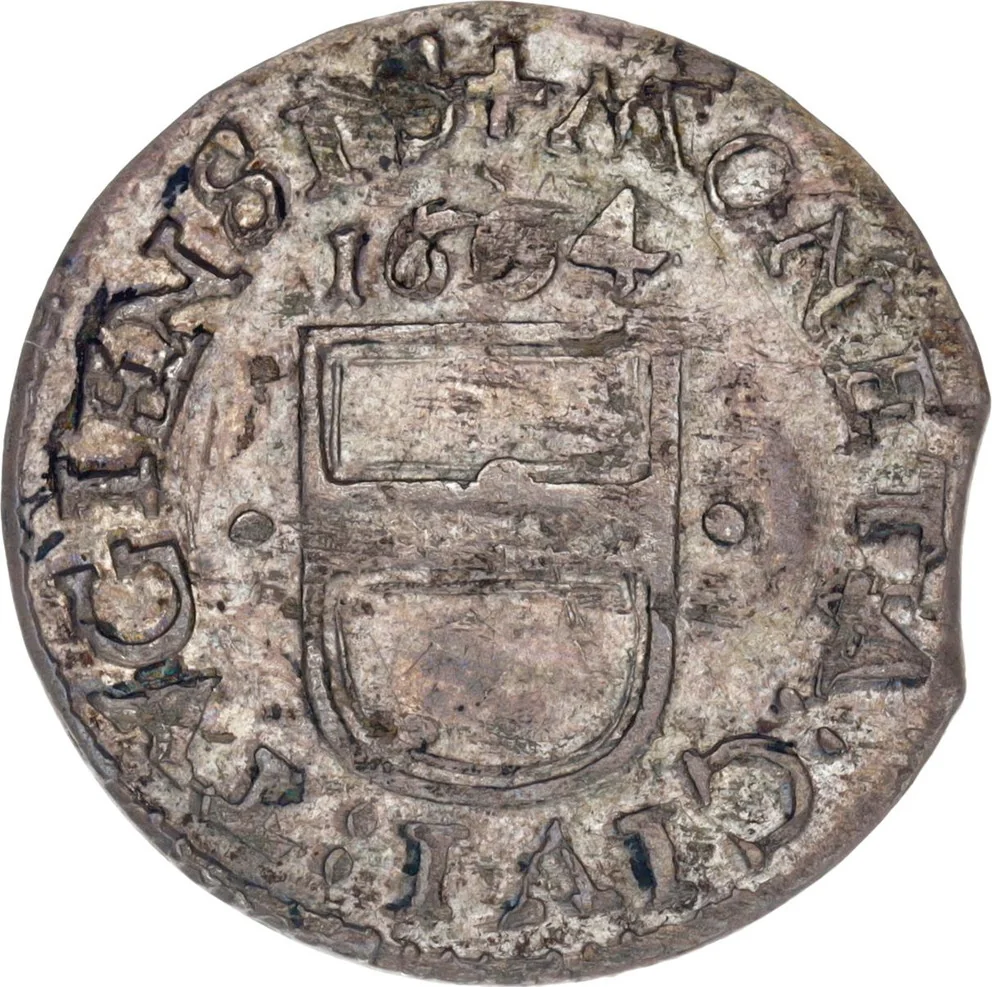
Obverse
Description:
Date above shield, encircled by legend.
Inscription:
+ MONETA : CIVI : TVGIENSIS
Script: Latin
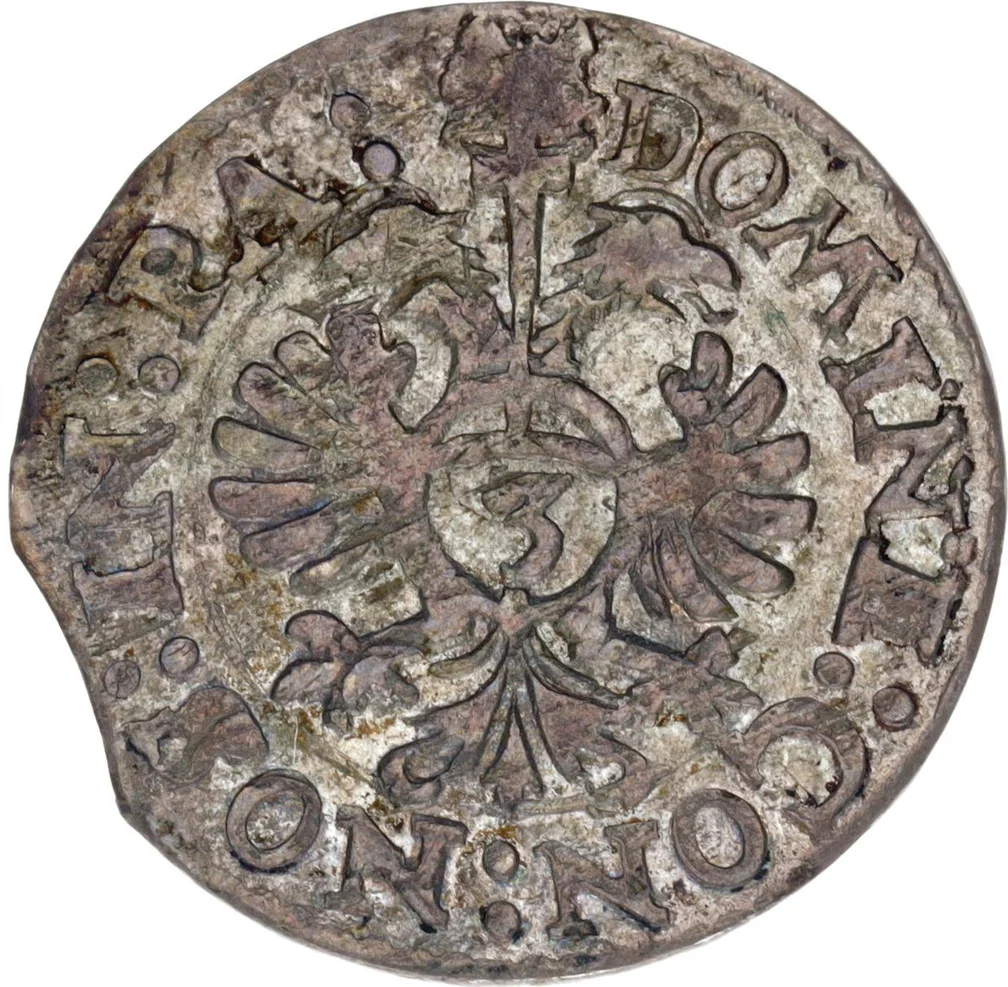
Reverse
Description:
Crowned double-headed eagle with cross and chest orb.
Inscription:
DOMINE : CON : NOS : IN : PA
Script: Latin
Edge
Mintings
| Year | Mint Mark | Mintage | Quality | Collection |
|---|---|---|---|---|
| 1597 | — | — | ||
| 1598 | — | — | ||
| 1599 | — | — | ||
| 1600 | — | — | ||
| 1601 | — | — | ||
| 1602 | — | — | ||
| 1603 | — | — | ||
| 1604 | — | — | ||
| 1605 | — | — | ||
| 1606 | — | — | ||
| 1608 | — | — |
Historical background
In 1597, Zug, as a member of the Old Swiss Confederacy, was grappling with the complex and deteriorating monetary situation common across the region. The primary issue was the proliferation of debased coinage from neighboring states and principalities. These foreign coins, often with lower silver content than their face value suggested, flooded the market through trade and mercenary payments, driving the older, purer Swiss coins out of circulation according to Gresham's Law. This created significant confusion in daily commerce and eroded public trust, as the intrinsic value of a coin no longer matched its nominal worth.
The problem was exacerbated by the Confederacy's lack of a unified monetary authority. While the powerful cantons of Zurich and Bern produced their own stable Thalers and Guldens, smaller cantons like Zug had limited minting capacity and relied on a patchwork of treaties and resolutions from the Tagsatzung (the Confederate Diet). These agreements, which attempted to set standard exchange rates for the myriad of coins in circulation, were difficult to enforce. Consequently, local merchants and authorities in Zug faced constant challenges in pricing goods and collecting taxes, leading to economic instability and social grievance.
Within this context, Zug’s authorities would have been focused on local measures to mitigate the crisis. This likely included enforcing the latest Tagsatzung ordinances on exchange rates at the city market, attempting to control the inflow of the most debased foreign coins, and possibly issuing small change for local use. The situation underscored Zug's dependence on the decisions of larger Confederate partners and highlighted the urgent need for monetary reform—a pressure that would eventually lead to more centralized monetary agreements in the following century.
The problem was exacerbated by the Confederacy's lack of a unified monetary authority. While the powerful cantons of Zurich and Bern produced their own stable Thalers and Guldens, smaller cantons like Zug had limited minting capacity and relied on a patchwork of treaties and resolutions from the Tagsatzung (the Confederate Diet). These agreements, which attempted to set standard exchange rates for the myriad of coins in circulation, were difficult to enforce. Consequently, local merchants and authorities in Zug faced constant challenges in pricing goods and collecting taxes, leading to economic instability and social grievance.
Within this context, Zug’s authorities would have been focused on local measures to mitigate the crisis. This likely included enforcing the latest Tagsatzung ordinances on exchange rates at the city market, attempting to control the inflow of the most debased foreign coins, and possibly issuing small change for local use. The situation underscored Zug's dependence on the decisions of larger Confederate partners and highlighted the urgent need for monetary reform—a pressure that would eventually lead to more centralized monetary agreements in the following century.
💎 Very Rare