

3 Kreuzers – Hungary
Hungary
Context

Material
Diameter: 20.5 mm
Weight: 1.95 g
Silver weight: 1.95 g
Shape: Irregular round
Composition: Silver
Magnetic: No
References
KM: #Click to copy to clipboard163
Numista: #38906
Value
Bullion value: $5.63
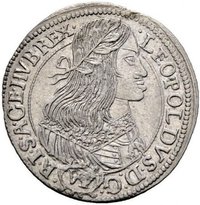
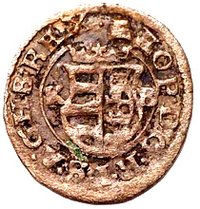
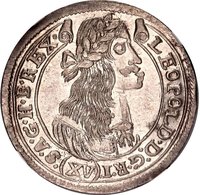
Obverse
Description:
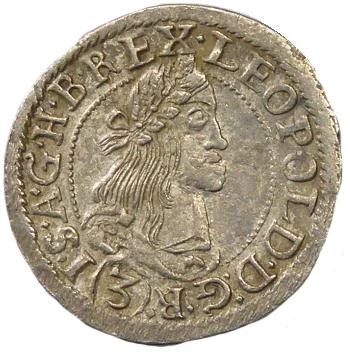
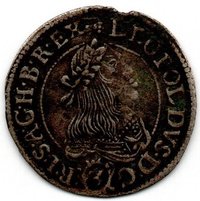
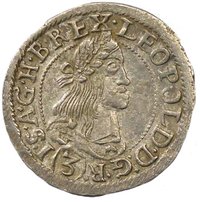
Laureate bust with long straight hair facing right inside pearl circle. Inscription and value (3) surround it.
Inscription:
LEOPOLD · D · G · R · I · (3) S · A · G · H · B · REX *
Script: Latin
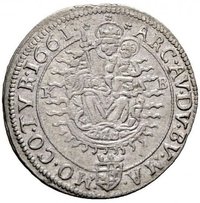
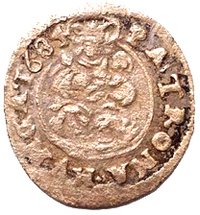
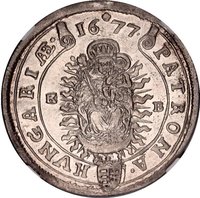
Reverse
Description:
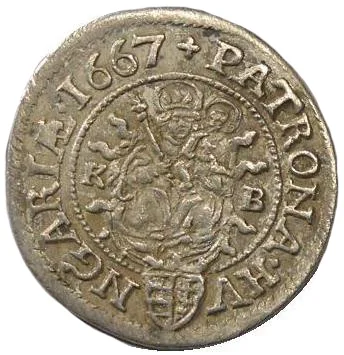
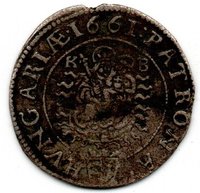
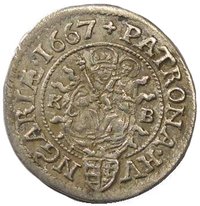
Radiant Madonna crowned and seated on a crescent, holding the Child on her left arm. A double-crowned Hungarian shield is below. The inscription runs along an inner pearl circle, with the date at the top.
Inscription:
PATRONA · HVNGARIÆ · 1667
Script: Latin
Edge
Plain
Mints
| Name | Mark |
|---|---|
| Kremnica | KB |
Mintings
Historical background
In 1661, the Hungarian economy was in a state of profound crisis, a direct consequence of the ongoing wars against the Ottoman Empire and the internal strife of the previous decades. The Habsburg monarchy, which controlled Royal Hungary, was engaged in a protracted and costly conflict, financing its military campaigns primarily through the relentless debasement of the coinage. The silver thaler remained a stable trade coin, but the common circulating currency, the silver denarius (or krajcár), was systematically degraded with copper, leading to severe inflation and a collapse in public trust. This period saw the circulation of so-called "kriegsmünzen" (war coins), which were often hastily minted from inferior metals to pay soldiers and suppliers.
The monetary chaos was exacerbated by the circulation of older, higher-value coins from the time of the Rákóczi princes of Transylvania, which were hoarded or exported, further draining the realm of sound money. Counterfeiting was rampant, and the Habsburg authorities' attempts to impose arbitrary exchange rates between old and new coins only deepened the economic distress. This situation created a multi-tiered currency system where the nominal value of coins bore little relation to their intrinsic metal content, crippling everyday commerce and effectively imposing a hidden tax on the population, particularly the peasantry and those on fixed incomes.
This financial instability was a critical factor in the growing political tensions between the Hungarian estates and the Habsburg court in Vienna. The estates viewed the debasement as a unilateral and exploitative act that violated their rights, contributing to the conspiracies that would eventually lead to the Wesselényi Conspiracy of 1664-1671. Thus, the currency situation of 1661 was not merely an economic issue but a key political grievance, undermining the stability of the Habsburg hold over Hungary and reflecting the broader struggle for sovereignty and fiscal control in a war-ravaged kingdom.
The monetary chaos was exacerbated by the circulation of older, higher-value coins from the time of the Rákóczi princes of Transylvania, which were hoarded or exported, further draining the realm of sound money. Counterfeiting was rampant, and the Habsburg authorities' attempts to impose arbitrary exchange rates between old and new coins only deepened the economic distress. This situation created a multi-tiered currency system where the nominal value of coins bore little relation to their intrinsic metal content, crippling everyday commerce and effectively imposing a hidden tax on the population, particularly the peasantry and those on fixed incomes.
This financial instability was a critical factor in the growing political tensions between the Hungarian estates and the Habsburg court in Vienna. The estates viewed the debasement as a unilateral and exploitative act that violated their rights, contributing to the conspiracies that would eventually lead to the Wesselényi Conspiracy of 1664-1671. Thus, the currency situation of 1661 was not merely an economic issue but a key political grievance, undermining the stability of the Habsburg hold over Hungary and reflecting the broader struggle for sovereignty and fiscal control in a war-ravaged kingdom.
Series: 1661 Hungary circulation coins
💎 Very Rare