

2 Marks – Sweden
Sweden
Context

Material
References
KM: #Click to copy to clipboard67
Numista: #113245
Value
Bullion value: $22.75
Obverse
Description:
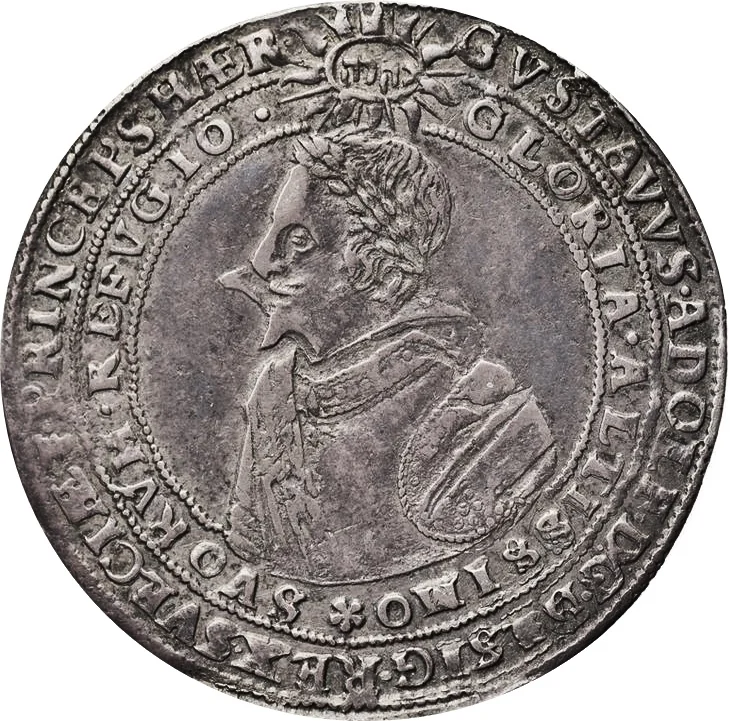
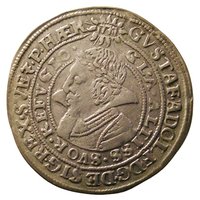
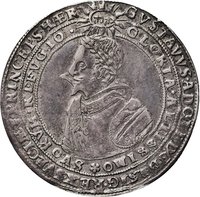
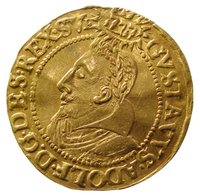
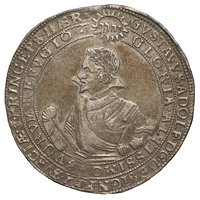
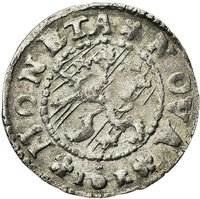
Armored bust of King Gustav Adolf facing left, encircled by two legend lines. The radiant Hebrew name of Jehovah is above his head, between the lines.
Inscription:
( יהוה ) GVSTAVVS · ADOLF · D:G · DESIG · REX · SVECIÆ ·&· PRINCEPS · HÆR
GLORIA · ALTISSIMO * SVORVM · REFUGIO
GLORIA · ALTISSIMO * SVORVM · REFUGIO
Reverse
Description:
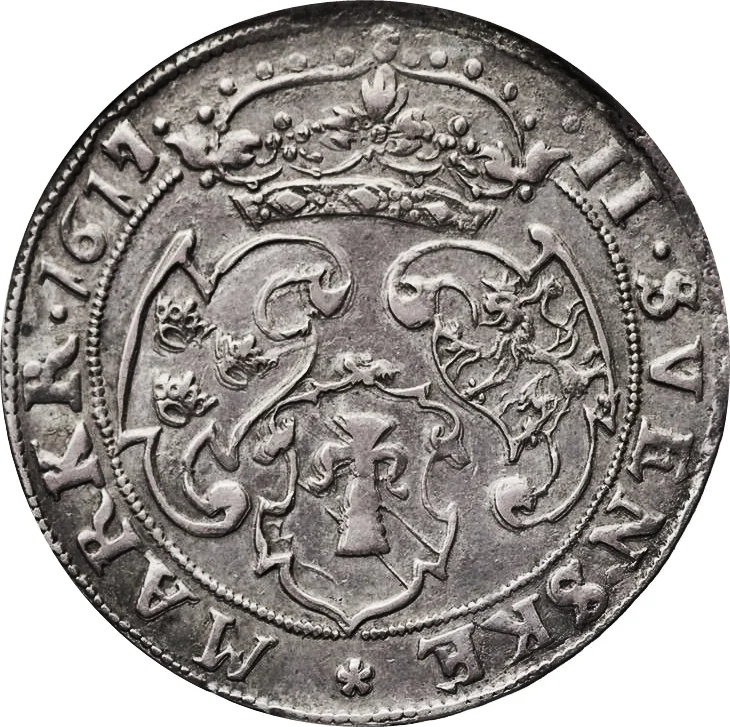
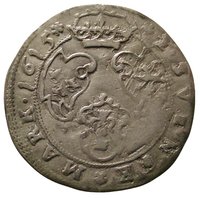
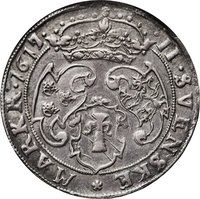
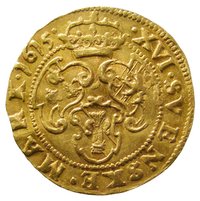
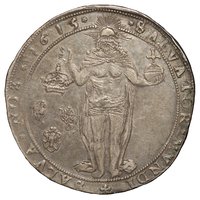
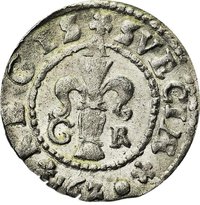
Crown above three shields in a triangular frame: the top two (Sweden's Three Crowns and the Folkungs Lion) bend inward, above a shield with the Vasa Arms. This central motif is encircled by beads, with the value and date around the outside.
Inscription:
* II · SVENSKE · * · MARKR · 1617 *
Script: Latin
Edge
Mintings
| Year | Mint Mark | Mintage | Quality | Collection |
|---|---|---|---|---|
| 1615 | — | — | ||
| 1617 | — | — |
Historical background
In 1615, Sweden was grappling with a severe and complex currency crisis, rooted in the policies of King Charles IX (1604-1611) and the ongoing dynastic wars with Poland. To finance near-constant warfare, the state had dramatically debased the coinage, notably the silver öre and mark, by reducing its precious metal content while maintaining its face value. This created a classic situation of "bad money driving out good," as older, purer coins were hoarded or melted down, leaving the economy flooded with unreliable and increasingly worthless currency. The result was rampant inflation, soaring prices for essential goods, and profound distrust in the monetary system among merchants and the populace.
The situation was further complicated by Sweden's role as a major copper producer. By 1615, the government, under the young King Gustavus Adolphus (who assumed full power in 1611), was actively exploring a radical solution: a copper-based standard to complement or even replace silver. This period saw experimental issues of large, cumbersome copper plate money (plåtmynt), a uniquely Swedish response intended to tie the currency's value directly to the nation's vast domestic copper reserves. However, in 1615, this system was not yet fully formalized; the economy remained in a transitional and unstable state, struggling with the practical burdens of heavy copper coins alongside a discredited silver currency.
Consequently, domestic and international trade faced significant hurdles. Merchants had to navigate multiple coin types of uncertain value, and the crown's finances were strained by the cost of war and a dysfunctional monetary system. The year 1615 thus represents a critical juncture—the tail end of a destructive period of debasement and the hesitant beginning of Sweden's ambitious, if ultimately problematic, century-long experiment with a copper standard, a policy that would be fully implemented in the 1620s to stabilize the kingdom's finances for its imperial ambitions.
The situation was further complicated by Sweden's role as a major copper producer. By 1615, the government, under the young King Gustavus Adolphus (who assumed full power in 1611), was actively exploring a radical solution: a copper-based standard to complement or even replace silver. This period saw experimental issues of large, cumbersome copper plate money (plåtmynt), a uniquely Swedish response intended to tie the currency's value directly to the nation's vast domestic copper reserves. However, in 1615, this system was not yet fully formalized; the economy remained in a transitional and unstable state, struggling with the practical burdens of heavy copper coins alongside a discredited silver currency.
Consequently, domestic and international trade faced significant hurdles. Merchants had to navigate multiple coin types of uncertain value, and the crown's finances were strained by the cost of war and a dysfunctional monetary system. The year 1615 thus represents a critical juncture—the tail end of a destructive period of debasement and the hesitant beginning of Sweden's ambitious, if ultimately problematic, century-long experiment with a copper standard, a policy that would be fully implemented in the 1620s to stabilize the kingdom's finances for its imperial ambitions.
Series: 1615 Sweden circulation coins
✨ Legendary