

4 Öre – Sweden
Sweden
Context

Material
References
KM: #Click to copy to clipboard10
Numista: #113236
Value
Bullion value: $8.42
Obverse
Description:
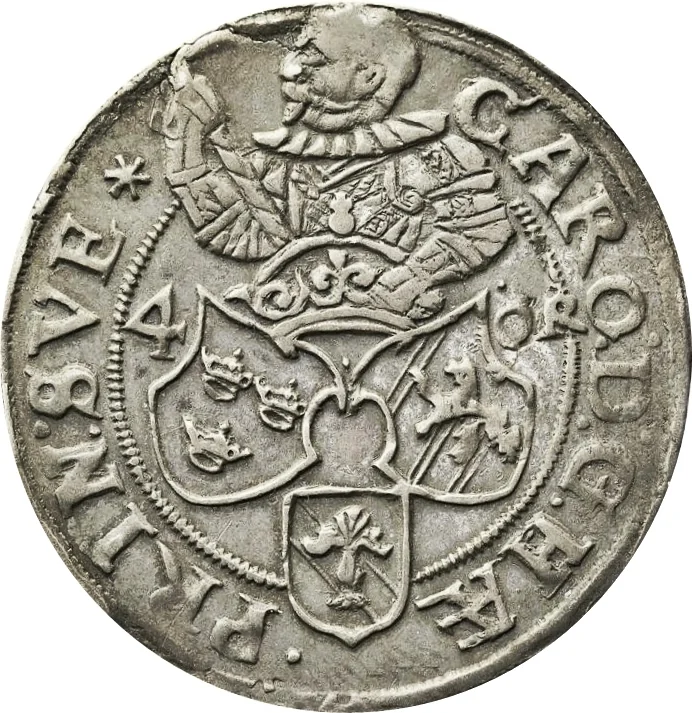
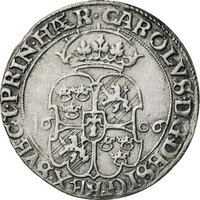
Bare-headed armored bust of Prince Karl holding a scepter, above a crown. Below, three shields (Sweden's Three Crowns, the Folkung Lion, and the Vasa arms) in a triangular frame within a circle. Value flanks the upper shields; legend encircles.
Inscription:
CARO : D:G · HÆ | PRIN : SVE *
4 ÖR
4 ÖR
Reverse
Description:
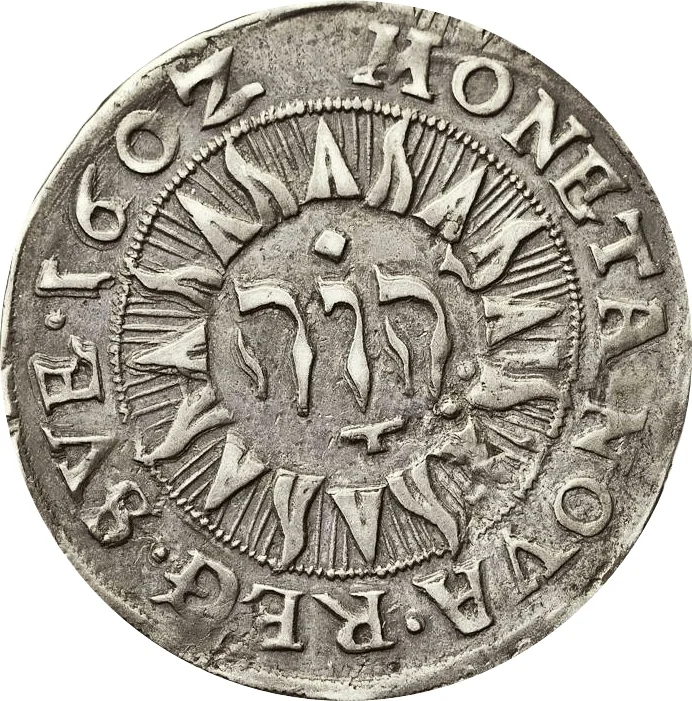
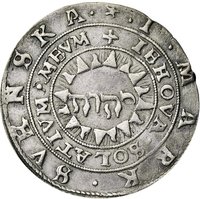
Radiant Hebrew "Jehovah" inside. Outer legend with date.
Inscription:
MONETA · NOVA · REG · SVE · 160Z
יהוה
יהוה
Edge
Mintings
| Year | Mint Mark | Mintage | Quality | Collection |
|---|---|---|---|---|
| 1602 | — | — | ||
| 1603 | — | — |
Historical background
In 1602, Sweden was grappling with a severe monetary crisis rooted in the preceding decades of aggressive foreign policy and economic mismanagement. To finance near-constant warfare in the Baltic, the state, under Kings Erik XIV and Johan III, had repeatedly debased the currency. By clipping silver coins and issuing vast quantities of low-quality copper klippingar, the crown sought short-term revenue but destroyed public trust in the currency. This led to rampant inflation, a混乱 (chaotic) circulation of both domestic and foreign coins of uncertain value, and a crippling shortage of high-quality silver money, which was either hoarded or flowed out of the kingdom to pay for imports.
Recognizing the destabilizing effects, King Karl IX, who ascended to the throne in 1604, had already begun addressing the crisis. The pivotal reform came in 1604 with the introduction of a new monetary standard based on the riksdaler as the large silver unit. However, the situation in 1602 was one of transition and acute distress, caught between the old debased systems and the impending reform. The government struggled to assert control, as foreign coins like the German thaler and Polish öre circulated widely, while domestic trade was hampered by the unreliable klippingar.
The monetary chaos of 1602 thus reflected the broader challenges of early modern state-building. It underscored the direct link between warfare, fiscal policy, and economic stability. The crisis set the stage for Karl IX's decisive reforms, which aimed not only to restore the metal content of the coinage but also to re-establish royal monopoly over minting and centralize financial authority—a necessary foundation for Sweden’s emergence as a great power in the 17th century.
Recognizing the destabilizing effects, King Karl IX, who ascended to the throne in 1604, had already begun addressing the crisis. The pivotal reform came in 1604 with the introduction of a new monetary standard based on the riksdaler as the large silver unit. However, the situation in 1602 was one of transition and acute distress, caught between the old debased systems and the impending reform. The government struggled to assert control, as foreign coins like the German thaler and Polish öre circulated widely, while domestic trade was hampered by the unreliable klippingar.
The monetary chaos of 1602 thus reflected the broader challenges of early modern state-building. It underscored the direct link between warfare, fiscal policy, and economic stability. The crisis set the stage for Karl IX's decisive reforms, which aimed not only to restore the metal content of the coinage but also to re-establish royal monopoly over minting and centralize financial authority—a necessary foundation for Sweden’s emergence as a great power in the 17th century.
✨ Legendary