

6 stuivers – Spanish Netherlands
Add to wishlist
Netherlands
Context
Years: 1621–1658
Country: Netherlands
Issuer: Spanish Netherlands
Ruler: Philip IV
Currency:
(1506—1713)
Demonetized: Yes
Material
Diameter: 31 mm
Weight: 5.26 g
Silver Weight:: 3.07 g
Thickness: 1 mm
Shape: Irregular round
Composition: 58.3% Silver
Magnetic: No
Technique: Hammered
References
KM: #
Numista: #113056
Value
Bullion value: $7.65
Obverse
Description:
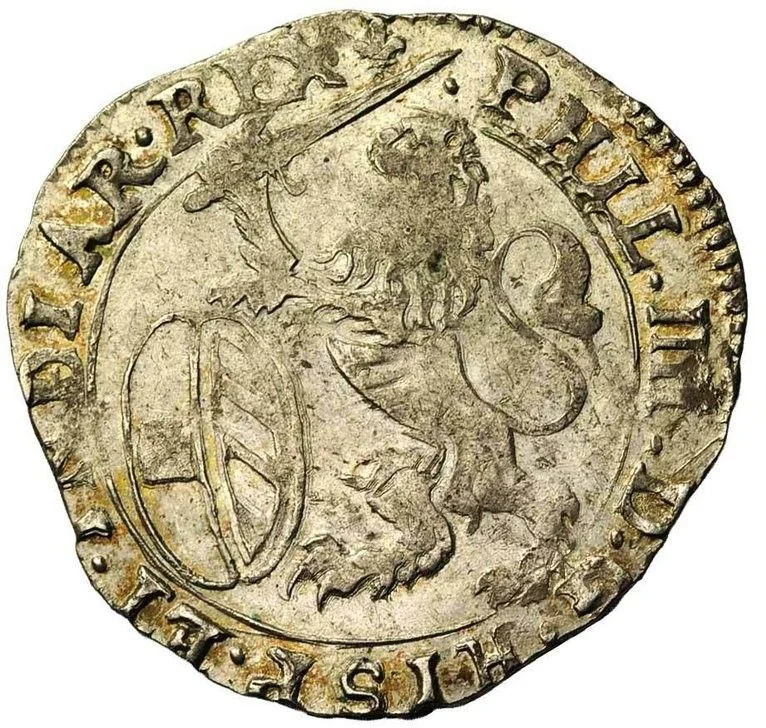
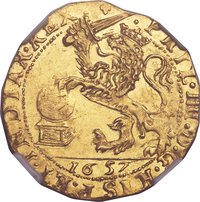
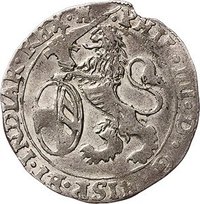
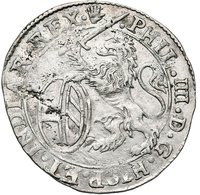
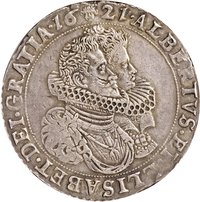
Lion left with sword and shield. Fleur-de-lis mint mark.
Inscription:
PHIL · IIII · D · G · HISP · ET · INDIAR · REX
Script: Latin
Reverse
Description:
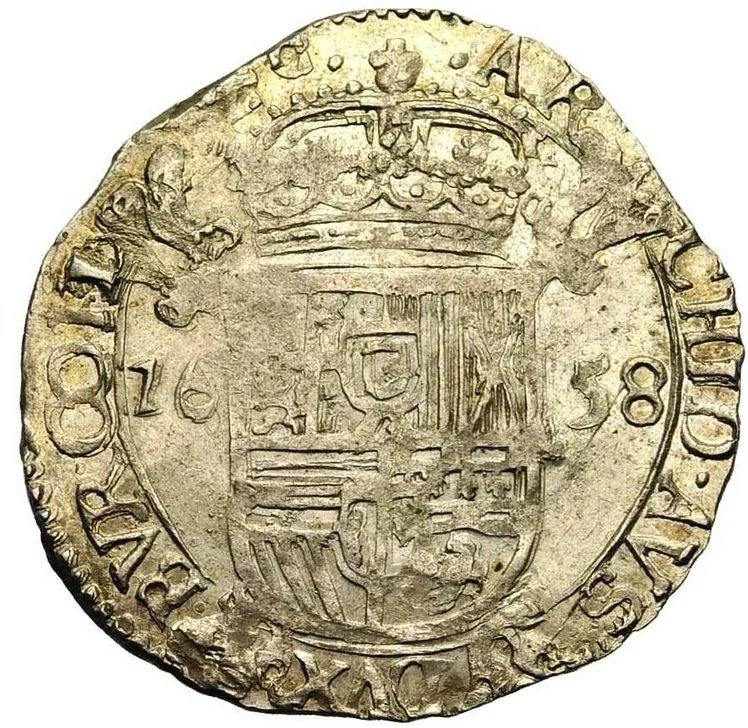
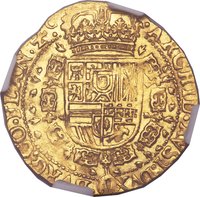
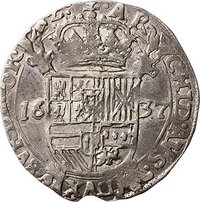
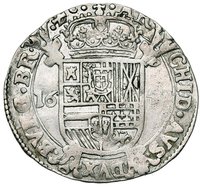
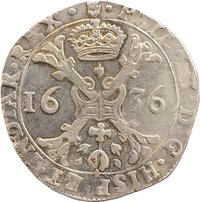
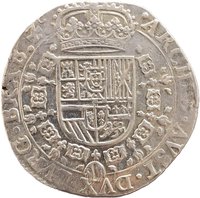
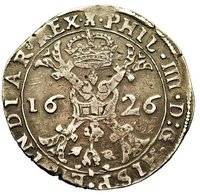
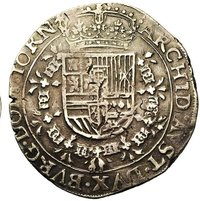
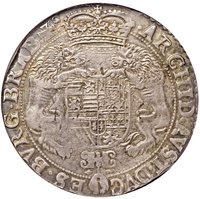
Crowned coat of arms divides date on St. Andrew's cross, which divides legend.
Inscription:
ARCHID · AVS DVX BVR CO FL Zc
16 58
16 58
Script: Latin
Edge
Plain
Mints
| Name | Mark |
|---|---|
| Bruges | — |
Mintings
| Year | Mint Mark | Mintage | Quality | Collection |
|---|---|---|---|---|
| 1621 | — | — | ||
| 1622 | — | — | ||
| 1623 | — | — | ||
| 1624 | — | — | ||
| 1625 | — | — | ||
| 1628 | — | — | ||
| 1633 | — | — | ||
| 1638 | — | — | ||
| 1645 | — | — | ||
| 1646 | — | — | ||
| 1650 | — | — | ||
| 1651 | — | — | ||
| 1658 | — | — |
Historical background
In 1621, the currency situation in the Spanish Netherlands was one of profound crisis and instability, directly triggered by the expiration of the Twelve Years' Truce with the Dutch Republic. The resumption of war placed immense fiscal strain on the government in Brussels, which was compelled to fund a large military mobilization. To meet these costs, the authorities embarked on a disastrous policy of currency debasement, drastically reducing the silver content in coins like the patagon and ducatón. This deliberate inflation was a short-term expedient to mint more coins from existing silver stocks, but it rapidly eroded public trust and the intrinsic value of the circulating medium.
The domestic economy was thrown into chaos. As the new, debased coins entered circulation, Gresham's law took hold: "good" older coins with higher silver content were hoarded or exported, while the "bad" new coins flooded the market, driving prices higher. Merchants and ordinary citizens faced rampant uncertainty, as the real value of money could change unpredictably with each new minting ordinance. This monetary turmoil severely disrupted trade, credit, and daily transactions, exacerbating the hardships of a population already burdened by wartime taxation and the disruption of commerce.
Internationally, the currency debasement damaged the region's commercial prestige and complicated vital trade relations. The Spanish Netherlands, a major economic hub, saw its coins rejected or heavily discounted in foreign markets. Crucially, it poisoned financial relations with the neighbouring Dutch Republic, whose stable rijksdaalder and leeuwendaalder became the preferred currencies for trade, further marginalizing the Flemish monetary system. Thus, the monetary policy of 1621 was not merely a financial misstep but a catalyst for deeper economic decline, undermining the Habsburg war effort and accelerating the economic ascendancy of the rival Dutch North.
The domestic economy was thrown into chaos. As the new, debased coins entered circulation, Gresham's law took hold: "good" older coins with higher silver content were hoarded or exported, while the "bad" new coins flooded the market, driving prices higher. Merchants and ordinary citizens faced rampant uncertainty, as the real value of money could change unpredictably with each new minting ordinance. This monetary turmoil severely disrupted trade, credit, and daily transactions, exacerbating the hardships of a population already burdened by wartime taxation and the disruption of commerce.
Internationally, the currency debasement damaged the region's commercial prestige and complicated vital trade relations. The Spanish Netherlands, a major economic hub, saw its coins rejected or heavily discounted in foreign markets. Crucially, it poisoned financial relations with the neighbouring Dutch Republic, whose stable rijksdaalder and leeuwendaalder became the preferred currencies for trade, further marginalizing the Flemish monetary system. Thus, the monetary policy of 1621 was not merely a financial misstep but a catalyst for deeper economic decline, undermining the Habsburg war effort and accelerating the economic ascendancy of the rival Dutch North.
💎 Extremely Rare