

1 Sultani – Eyalet of Tunis
Tunisia
Context
Year: 1640
Islamic (Hijri) Year: 1049
Country: Tunisia 
Issuer: Eyalet of Tunis
Ruler: Ibrahim I
Currency:
(1567—1891)
Demonetized: Yes
Material
References
KM: #Click to copy to clipboard18
Numista: #113043
Value
Bullion value: $611.91
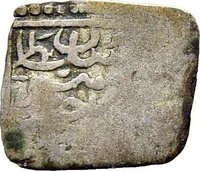
Obverse
Description:
Sultan's title
Inscription:
سلطان
ابراهيم بن
خان ضرب
احمد عز نصره في
تونس
١٠٤٩
ابراهيم بن
خان ضرب
احمد عز نصره في
تونس
١٠٤٩
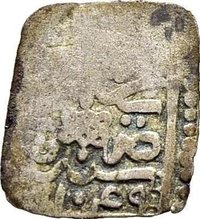
Reverse
Description:
Sultan: a Muslim ruler's title.
Inscription:
سلطان البرين
وخاقان البحرين
السلطان بن
السلطان
وخاقان البحرين
السلطان بن
السلطان
Edge
Mintings
| Year | Mint Mark | Mintage | Quality | Collection |
|---|---|---|---|---|
| 1640 | — | — |
Historical background
In 1640, the currency situation in the Eyalet of Tunis was characterized by instability and complexity, a direct legacy of its recent integration into the Ottoman Empire. While nominally under Ottoman suzerainty since 1574, the province was effectively ruled by a military caste, the Deys, who operated with significant autonomy. The monetary system reflected this hybrid status, with Ottoman imperial coinage—particularly the silver akçe and gold sultani—officially circulating alongside a plethora of older, debased Hafsid and Spanish coins, as well as various European currencies used in Mediterranean trade. This created a chaotic environment where exchange rates fluctuated wildly.
The core of the monetary problem was a chronic shortage of high-quality specie. Much of the fresh silver and gold flowing from the Ottoman mint in Istanbul was siphoned off to pay the salaries of the Janissary garrison and the tribute (irsaliye) sent to the Imperial Treasury, leaving the local economy starved of sound currency. To meet local needs, the authorities in Tunis frequently engaged in debasement, reducing the precious metal content of coins minted locally. This practice, while providing short-term liquidity, fueled inflation, eroded public trust, and complicated both taxation and long-distance commerce.
Consequently, daily transactions and regional trade relied heavily on a system of credit, barter, and the use of small, often heavily clipped or counterfeit, copper coins (fulus). The instability undermined the Eyalet's economic cohesion, creating a divide between the state's fiscal operations in sound Ottoman currency and the populace's experience with degraded coinage. This precarious monetary landscape would persist and contribute to the growing financial pressures on the Deys, setting the stage for the rise of the Muradid Beys later in the century, who would attempt to impose greater monetary order.
The core of the monetary problem was a chronic shortage of high-quality specie. Much of the fresh silver and gold flowing from the Ottoman mint in Istanbul was siphoned off to pay the salaries of the Janissary garrison and the tribute (irsaliye) sent to the Imperial Treasury, leaving the local economy starved of sound currency. To meet local needs, the authorities in Tunis frequently engaged in debasement, reducing the precious metal content of coins minted locally. This practice, while providing short-term liquidity, fueled inflation, eroded public trust, and complicated both taxation and long-distance commerce.
Consequently, daily transactions and regional trade relied heavily on a system of credit, barter, and the use of small, often heavily clipped or counterfeit, copper coins (fulus). The instability undermined the Eyalet's economic cohesion, creating a divide between the state's fiscal operations in sound Ottoman currency and the populace's experience with degraded coinage. This precarious monetary landscape would persist and contribute to the growing financial pressures on the Deys, setting the stage for the rise of the Muradid Beys later in the century, who would attempt to impose greater monetary order.

✨ Legendary