

1 Sultani – Eyalet of Tunis
Tunisia
Context
Years: 1697–1700
Country: Tunisia 
Issuer: Eyalet of Tunis
Ruler: Mustafa II
Currency:
(1567—1891)
Demonetized: Yes
Material
Diameter: 23 mm
Weight: 3.22 g
Gold weight: 3.22 g
Shape: Irregular round
Composition: Gold
Magnetic: No
References
KM: #Click to copy to clipboard31
Numista: #113034
Value
Bullion value: $536.88
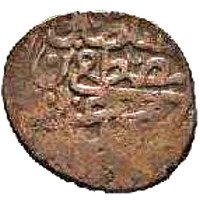
Obverse
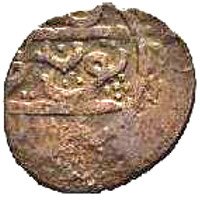
Reverse
Edge
Mintings
| Year | Mint Mark | Mintage | Quality | Collection |
|---|---|---|---|---|
| 1697 | — | — | ||
| 1698 | — | — | ||
| 1700 | — | — |
Historical background
In 1697, the currency situation in the Eyalet of Tunis was characterized by profound instability and complexity, a direct result of its position within the declining Ottoman Empire and its intense commercial entanglement with European powers. The local economy operated on a bimetallic system, theoretically based on the Ottoman akçe and the Spanish silver real or piastre (known locally as riyal), but the value and purity of these coins were in constant flux. A chronic shortage of official Ottoman specie was filled by a chaotic mix of foreign currencies—Spanish, Venetian, Dutch, and French—each circulating at negotiated rates, leading to widespread confusion and facilitating fraudulent clipping and debasement.
This monetary chaos was exacerbated by the autonomous political power of the Muradid Beys, who, while nominally subordinate to the Ottoman Porte, controlled the local treasury and mint. Facing constant fiscal pressures from tribal levies, corsairing ventures, and maintaining a courtly lifestyle, the Beys frequently resorted to debasing the coinage. They would reduce the silver content of coins like the mahbub while assigning them the same nominal value, a short-term measure that eroded public trust, drove good money out of circulation (Gresham's Law), and caused sharp inflation in local markets, particularly for basic goods.
Ultimately, the currency disorder of 1697 was more than a financial issue; it was a symptom of Tunis’s transitional sovereignty and its vulnerable place in the Mediterranean economy. The inability to assert a stable, authoritative currency reflected the Muradid dynasty's weakening grip and the broader Ottoman Empire's diminishing capacity to enforce economic standards in its provinces. This instability hindered long-distance trade, complicated tax collection, and placed a heavy burden on the peasantry and urban poor, setting the stage for the economic and political crises that would culminate in the Husainid dynasty's rise a few decades later.
This monetary chaos was exacerbated by the autonomous political power of the Muradid Beys, who, while nominally subordinate to the Ottoman Porte, controlled the local treasury and mint. Facing constant fiscal pressures from tribal levies, corsairing ventures, and maintaining a courtly lifestyle, the Beys frequently resorted to debasing the coinage. They would reduce the silver content of coins like the mahbub while assigning them the same nominal value, a short-term measure that eroded public trust, drove good money out of circulation (Gresham's Law), and caused sharp inflation in local markets, particularly for basic goods.
Ultimately, the currency disorder of 1697 was more than a financial issue; it was a symptom of Tunis’s transitional sovereignty and its vulnerable place in the Mediterranean economy. The inability to assert a stable, authoritative currency reflected the Muradid dynasty's weakening grip and the broader Ottoman Empire's diminishing capacity to enforce economic standards in its provinces. This instability hindered long-distance trade, complicated tax collection, and placed a heavy burden on the peasantry and urban poor, setting the stage for the economic and political crises that would culminate in the Husainid dynasty's rise a few decades later.

✨ Legendary