

30 kreuzer – Austrian Empire
Add to wishlist
Austria
Context
Years: 1767–1769
Country: Austria
Issuer: Austrian Empire
Ruler: Joseph II
Currency:
(1754—1857)
Demonetized: Yes
Material
References
KM: #
Numista: #381081
Value
Bullion value: $10.35
Obverse
Description:
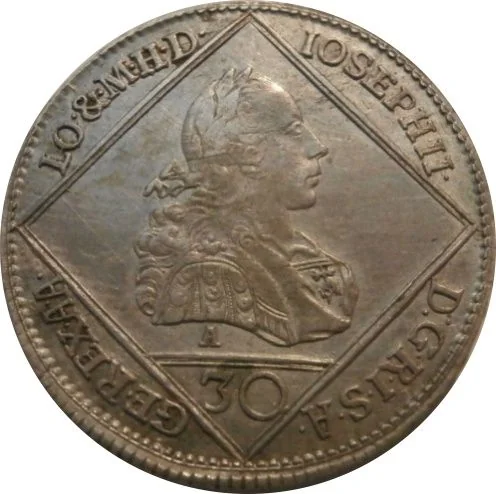
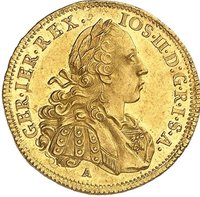
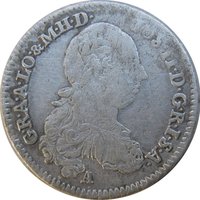
Laureate bust right, lion head on shoulder.
Inscription:
IOSEPH · II · D · G · R · I · S · A · GE · REX · A · A · LO & M · H · D ·
A
30
A
30
Script: Latin
Reverse
Description:
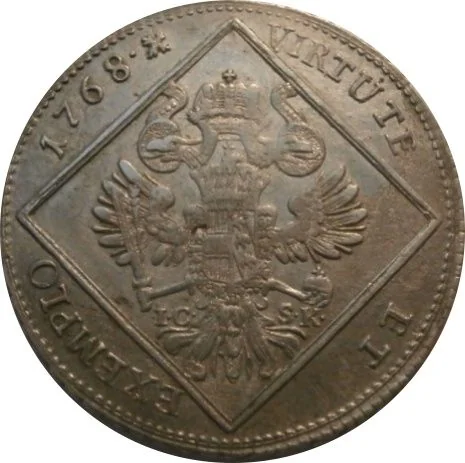
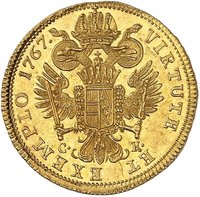
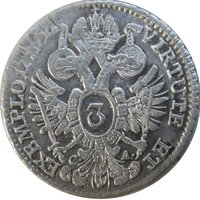
Imperial double-headed eagle bearing the arms of Austria and Lorraine.
Inscription:
VIRTUTE ET EXEMPLO 1768 · X
I.C.S.K
I.C.S.K
Script: Latin
Edge
Reeded
Mints
| Name | Mark |
|---|---|
| Münze Österreich | A |
Historical background
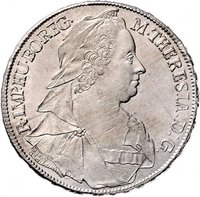
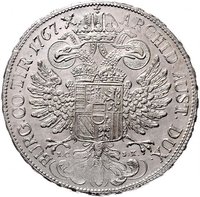
In 1767, the currency situation within the Habsburg Monarchy, often referred to as the Austrian Empire, was characterized by significant complexity and instability following the immense financial strain of the Seven Years' War (1756-1763). The state treasury was deeply depleted, and the government had resorted to heavy borrowing and the debasement of coinage to fund the conflict. This resulted in a chaotic monetary landscape with a wide circulation of underweight and adulterated coins, alongside older, purer issues, causing widespread confusion in trade and eroding public trust in the currency.
Empress Maria Theresa and her advisors, particularly State Chancellor Wenzel Anton von Kaunitz, recognized that monetary reform was essential for economic recovery and state stability. The period around 1767 was one of preparation and transition toward a major standardization. The government was laying the groundwork for the introduction of a new, unified silver standard, which would culminate in the monetary patent of 1769/1770. This reform aimed to replace the plethora of regional and debased coins with a stable, centrally minted currency, most notably the Conventionsthaler (or Konventionstaler), which would become a cornerstone of Austro-Hungarian finance for nearly a century.
Therefore, the year 1767 represents a critical juncture of post-war assessment and planning. The immediate situation was still one of monetary disorder, but it was set against a backdrop of determined governmental effort to impose order. The impending reforms sought not only to restore the coinage but also to strengthen central authority, facilitate commerce, and solidify the fiscal foundation of the Habsburg state, marking a pivotal step from the fiscal expediencies of war toward a more managed and modern economic system.
Empress Maria Theresa and her advisors, particularly State Chancellor Wenzel Anton von Kaunitz, recognized that monetary reform was essential for economic recovery and state stability. The period around 1767 was one of preparation and transition toward a major standardization. The government was laying the groundwork for the introduction of a new, unified silver standard, which would culminate in the monetary patent of 1769/1770. This reform aimed to replace the plethora of regional and debased coins with a stable, centrally minted currency, most notably the Conventionsthaler (or Konventionstaler), which would become a cornerstone of Austro-Hungarian finance for nearly a century.
Therefore, the year 1767 represents a critical juncture of post-war assessment and planning. The immediate situation was still one of monetary disorder, but it was set against a backdrop of determined governmental effort to impose order. The impending reforms sought not only to restore the coinage but also to strengthen central authority, facilitate commerce, and solidify the fiscal foundation of the Habsburg state, marking a pivotal step from the fiscal expediencies of war toward a more managed and modern economic system.
✨ Legendary