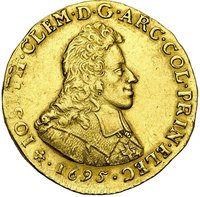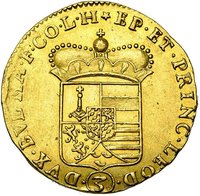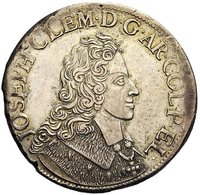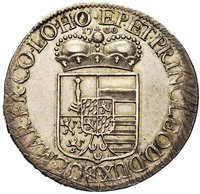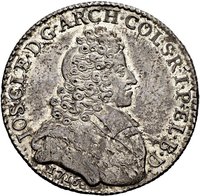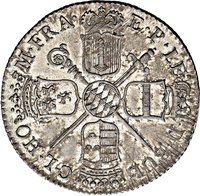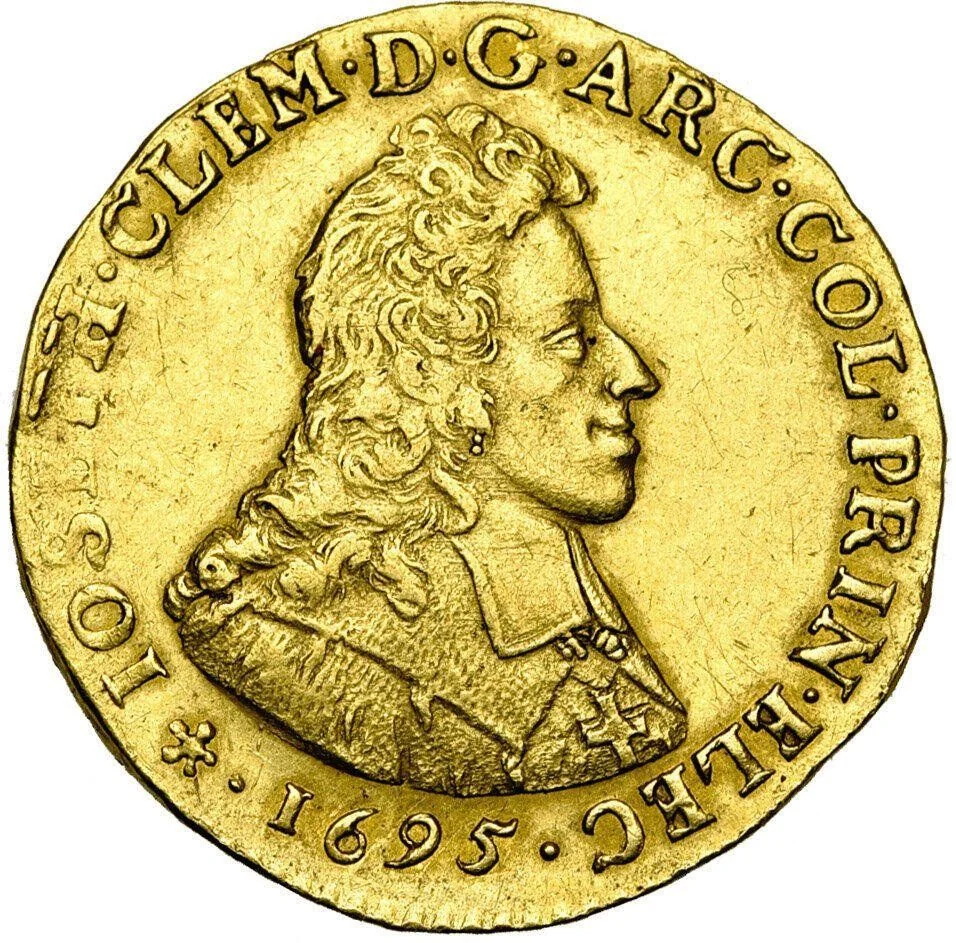
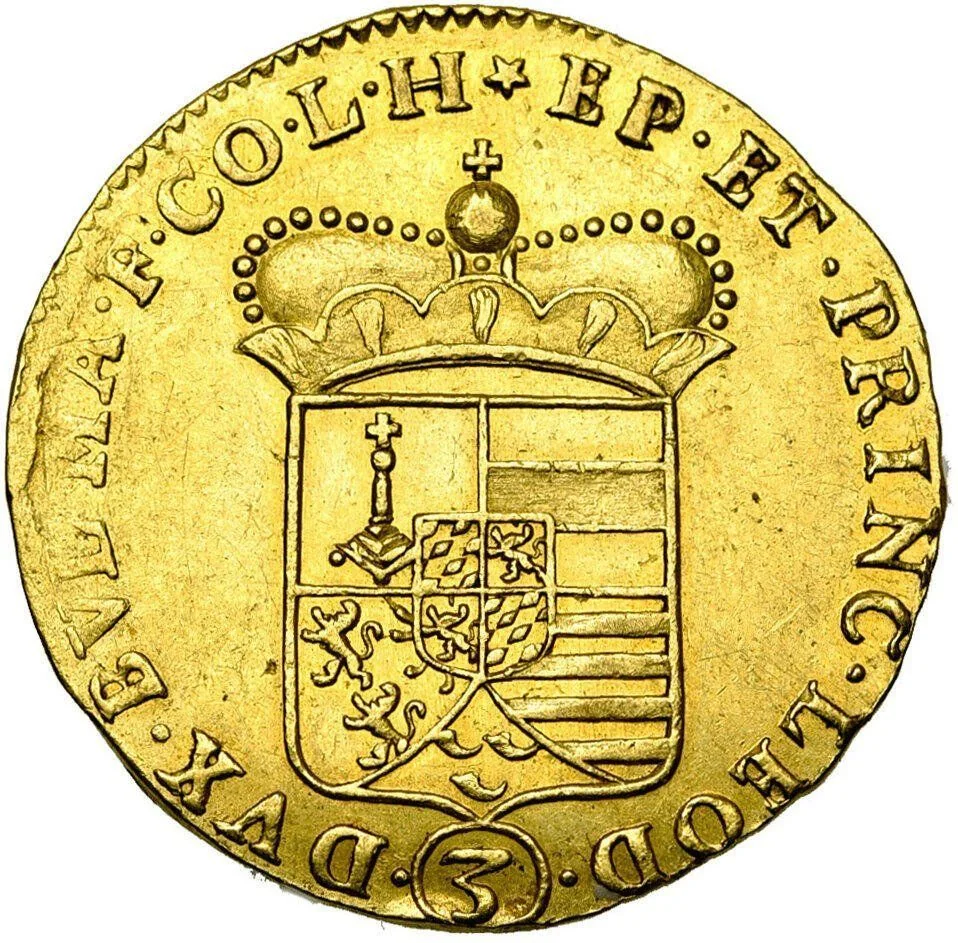
In 1695, the Prince-Bishopric of Liège found itself in a severe monetary crisis, a direct consequence of the wider "Great Recoinage" sweeping across Western Europe. The primary issue was the widespread debasement of coinage, a practice where the intrinsic silver content of coins was reduced while their face value was maintained. This was largely driven by the immense financial pressures of the Nine Years' War (1688-1697), which forced states, including neighboring France and the Spanish Netherlands, to debase their currencies to fund military campaigns. These debased foreign coins flooded into Liège, driving out the older, full-weight Liégeois coins (which were hoarded or melted down for their higher silver content), in accordance with Gresham's Law.
The situation was exacerbated by Liège's unique political structure. As an ecclesiastical principality, its prince-bishop, Joseph-Clément of Bavaria, held sovereign power but faced significant constraints from the powerful and independent-minded Estates (representing the clergy, nobility, and burghers). This often led to political stalemate on fiscal and monetary policy. While the prince-bishop had the right to mint coins, any substantive monetary reform required negotiation and approval from the Estates, who were sensitive to the interests of merchants and guilds. This institutional friction delayed an effective response, allowing the circulation to become choked with inferior, unstable foreign currency, causing confusion in trade and eroding public trust.
The result was economic distress marked by price inflation, commercial disruption, and social tension. Local merchants struggled with uncertain exchange rates, and the populace suffered as wages failed to keep pace with rising prices for essentials. The year 1695 thus represents a peak in this crisis, forcing the authorities in Liège to seriously confront the need for a sweeping recoinage. This would eventually lead to concerted, though difficult, efforts in the following years to recall the debased currency and issue new, stable coins in an attempt to restore monetary order and the prince-bishopric's fiscal credibility.