Logo Title
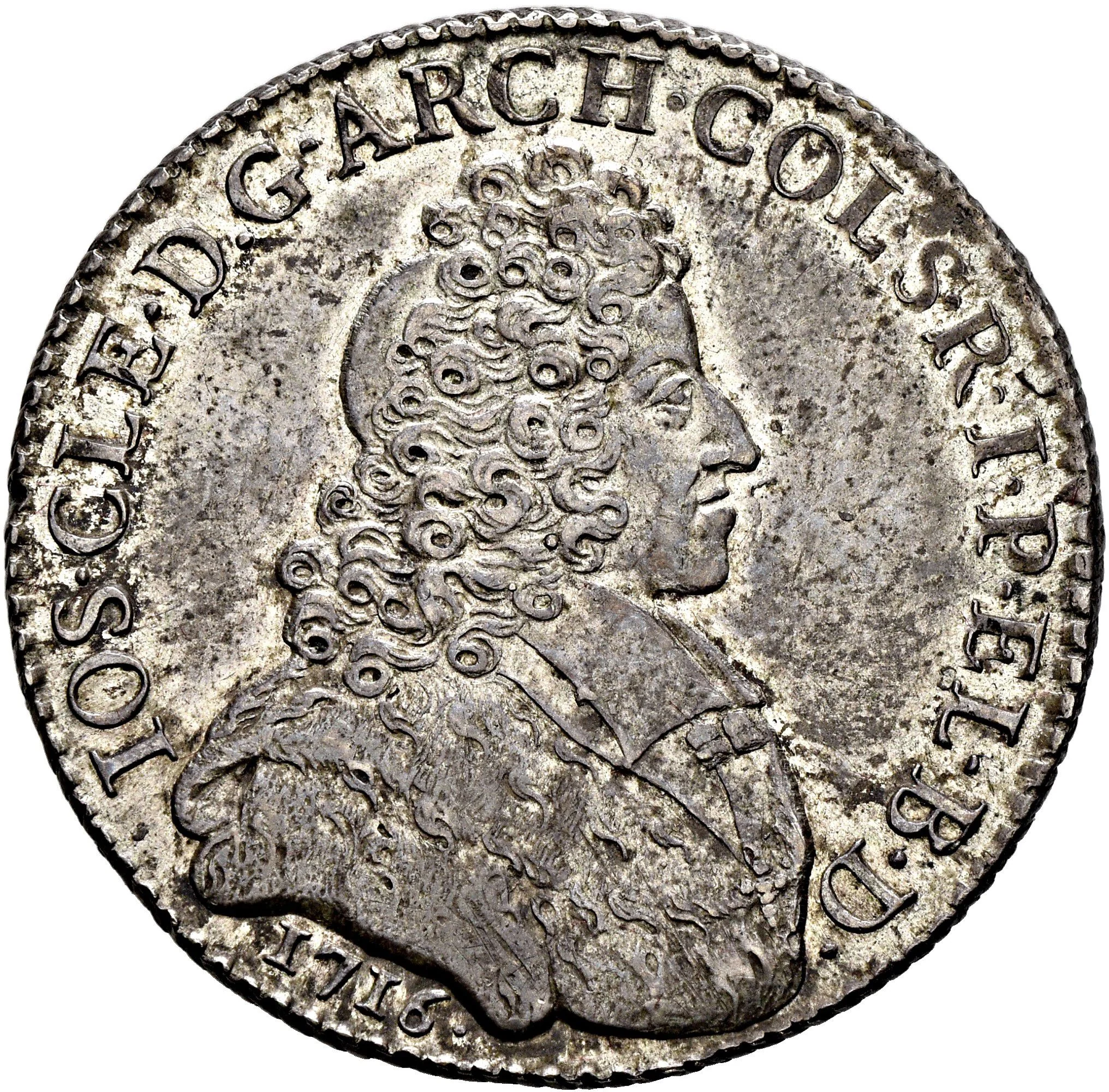
obverse
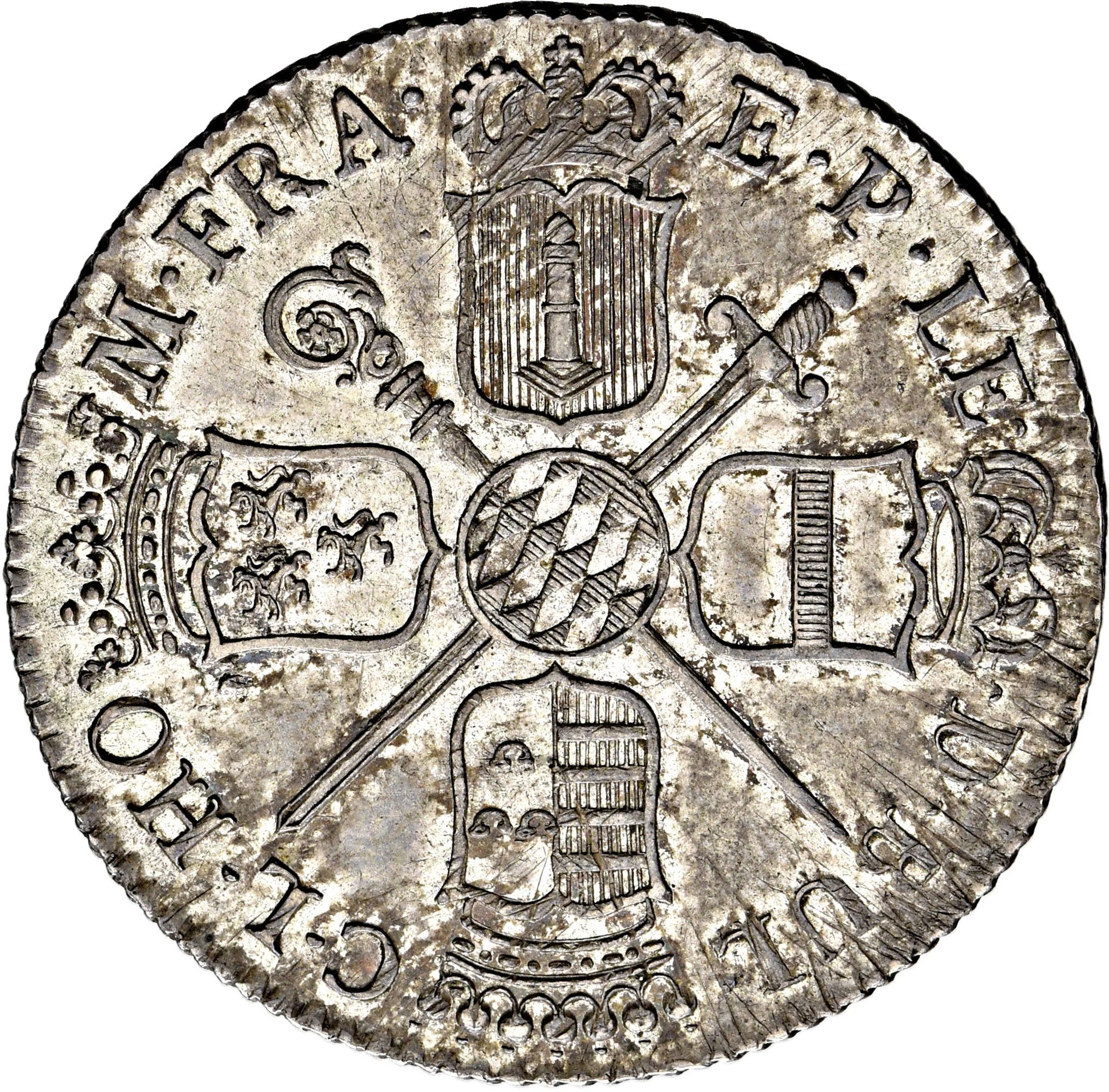
reverse
Sincona AG

1 Patagon – Prince-bishopric of Liege

Belgium
Context
Year: 1716
Country: Belgium Country flag
Currency:
(1650—1795)
Demonetized: Yes
Material
Weight: 27.93 g
Silver weight: 27.93 g
Shape: Round
Composition: Silver
Magnetic: No
References
KM: #Click to copy to clipboard120
Numista: #328082
Value
Bullion value: $77.42

Obverse

Description:
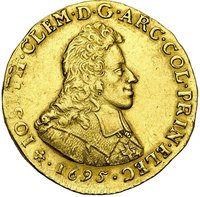
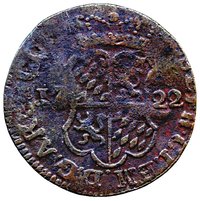
Bust of Archbishop Joseph Clemens of Bavaria in profile, wearing a zucchetto, mozzetta, and cross.
Inscription:
IOS • CLE • D • G • ARCH • COL • S • R • I • P • EL • B • D

1716
Script: Latin

Reverse

Description:
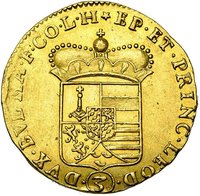
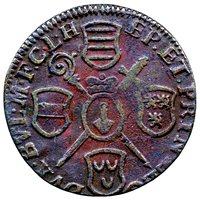
A central round shield displays the Wittelsbach coat of arms, surrounded in a cross by the crowned arms of Liège (top), Bouillon (right), Franchimont (left), and Loon and Horne (bottom), with a sword and crosier behind.
Inscription:
E • P • LE • • D • BUL • C • L • HO M • FRA •
Script: Latin

Edge


Mints

NameMark
Liège

Mintings

YearMint MarkMintageQualityCollection
1716

Historical background

In 1716, the Prince-Bishopric of Liège, a sovereign ecclesiastical state within the Holy Roman Empire, grappled with a complex and debased monetary system. The region was a crossroads of trade, leading to a circulation of diverse coins from neighboring states like the Spanish Netherlands, France, and the Dutch Republic, alongside its own issues. This created chronic confusion and facilitated fraud, as the relative values of these many coins fluctuated and were difficult to enforce. The local currency, particularly the liard and the sou, had been repeatedly degraded over previous decades, containing less precious metal than their face value implied, which eroded public trust and hindered commerce.

The situation was exacerbated by the policies of Prince-Bishop Joseph-Clément de Bavière. Absent for years due to geopolitical conflicts, including his support for the French in the War of the Spanish Succession, he had resorted to currency manipulation to finance his expenditures and wars. By issuing lightweight coinage with a high face value (a practice known as monnayage), he generated seigniorage profit at the expense of economic stability. This led to inflation, where good foreign coins were hoarded or exported (Gresham's Law), leaving the populace with poor-quality local currency for daily transactions.

Consequently, by 1716, there was significant pressure for monetary reform to stabilize prices and restore confidence for merchants and citizens alike. While a comprehensive recoinage and standardization would be a protracted challenge, the year represents a point within a longer crisis, highlighting the tension between a ruler's fiscal needs and the economic health of his territory. The disordered currency reflected the broader political and financial strains of the prince-bishopric in the early 18th century.
Legendary