

1 gold louis – France
Add to wishlist
France
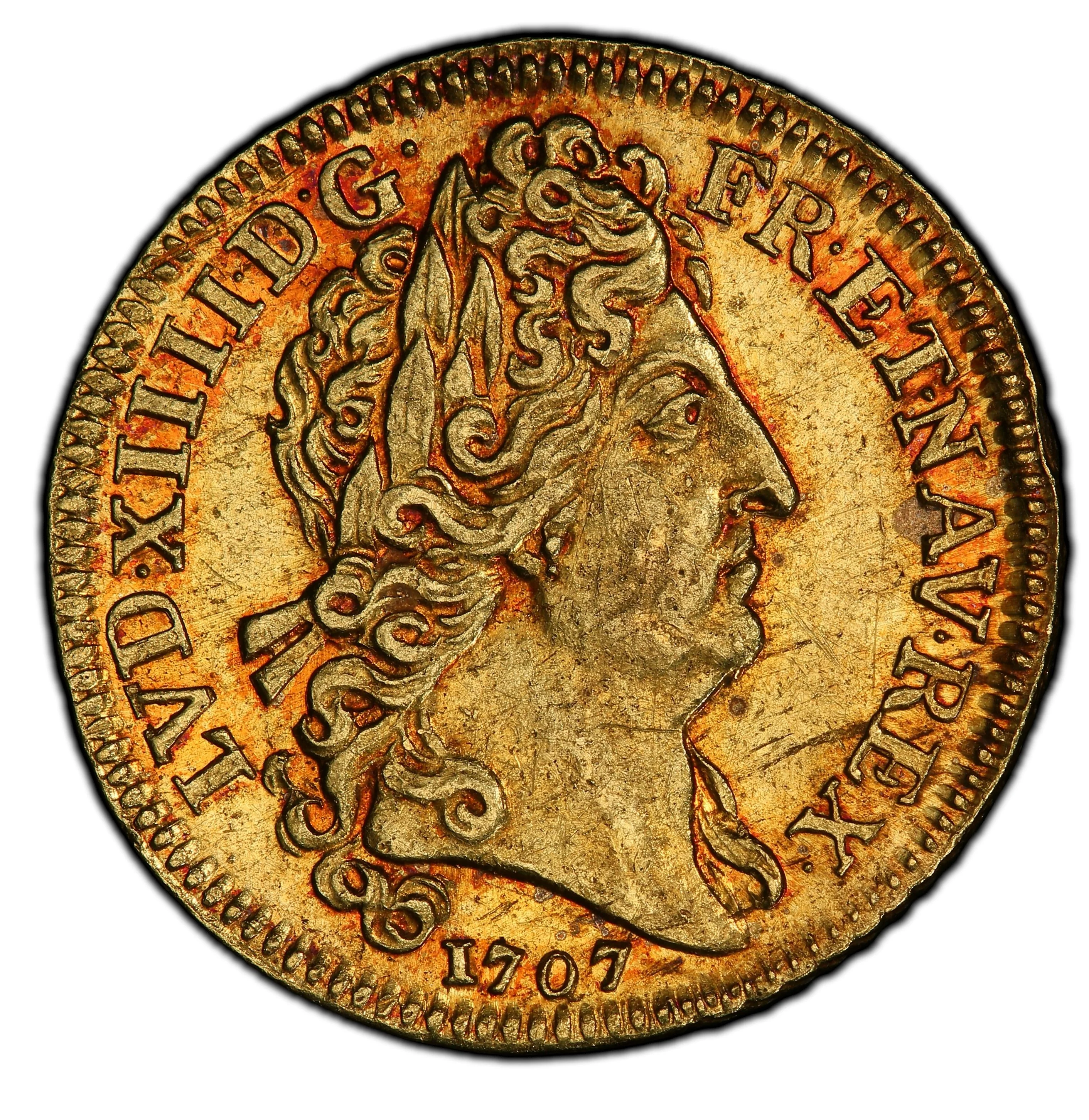
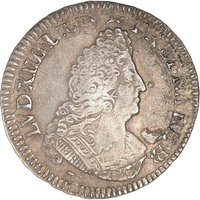
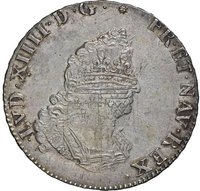
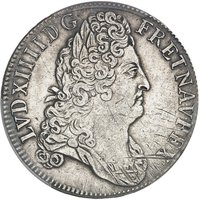
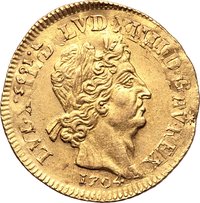
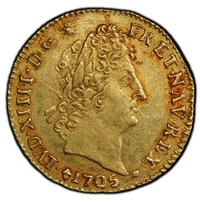
Obverse
Description:
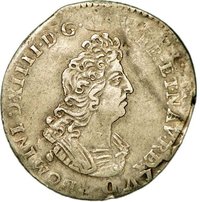
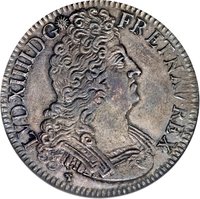
Laureate bust with long hair, facing right.
Inscription:
LVD. XIIII. D. G. FR. ET. NAV. REX
1707
1707
Script: Latin
Engraver: Jacques Roëttiers
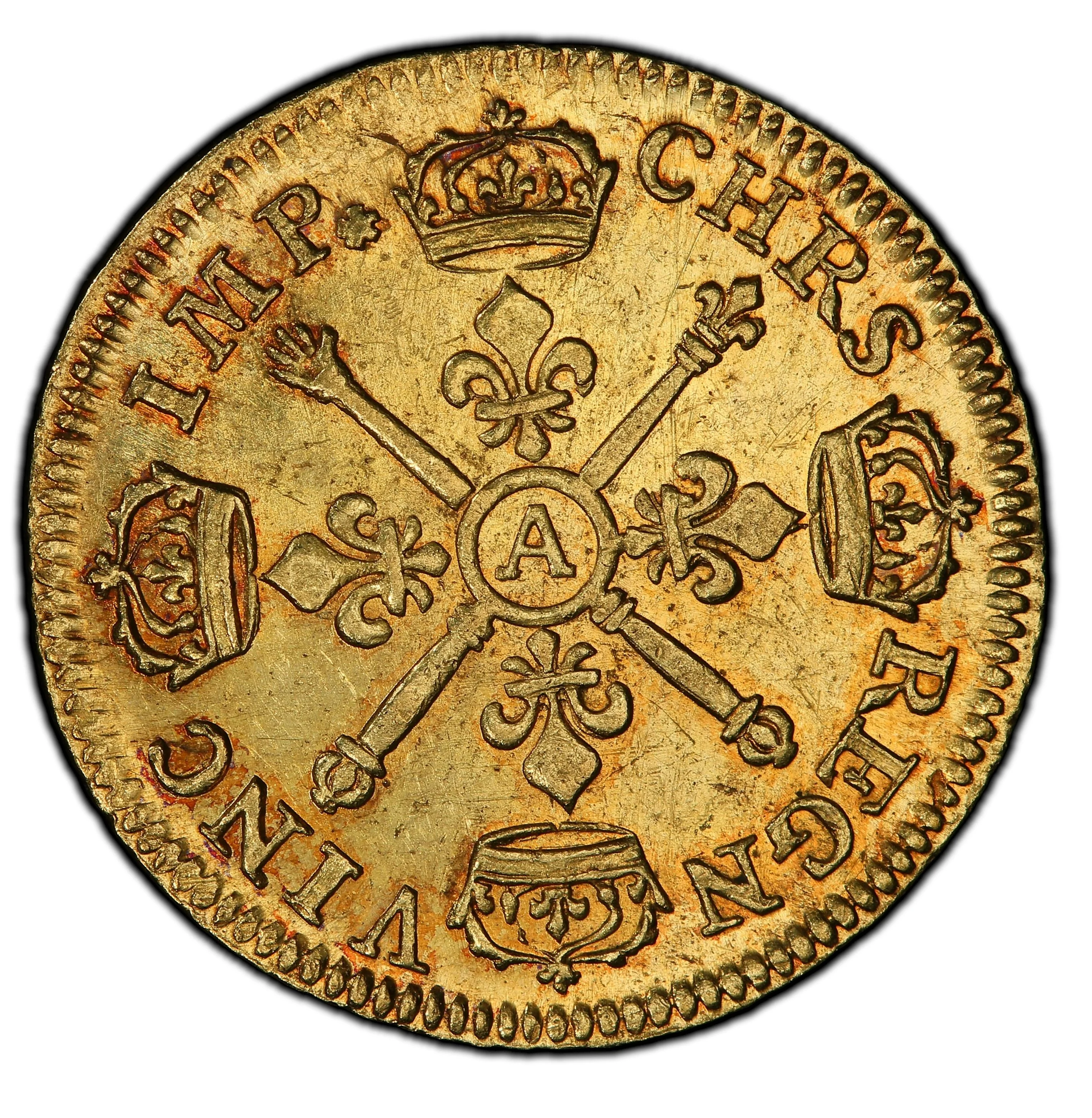
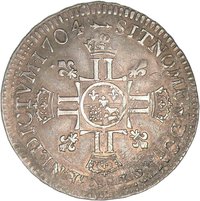
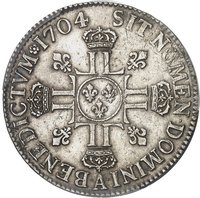
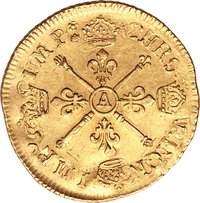
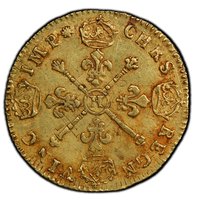
Reverse
Description:
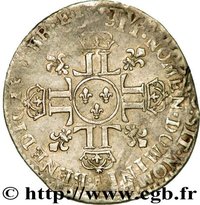
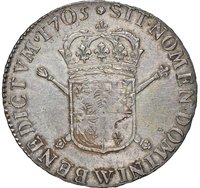
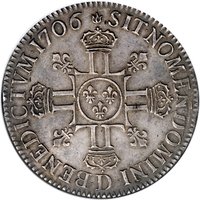
Crossed scepters, crowned fleur-de-lis at angles, central circle.
Inscription:
CHRS REGN VINC IMP
A
A
Script: Latin
Engraver: Jacques Roëttiers
Edge
Corded edge.
Categories
| Symbol> Fleur-de-lis |
Mints
| Name | Mark |
|---|---|
| Monnaie de Paris | A |
| Caen | C |
Historical background
In 1704, France was in the midst of the War of the Spanish Succession (1701-1714), a conflict that placed immense financial strain on the kingdom of Louis XIV. The Sun King's ambitions, coupled with the costs of maintaining a massive army and funding allies, had drained the royal treasury. To meet these extraordinary expenses, the government, under Finance Minister Michel Chamillart, resorted to a series of desperate monetary manipulations. The primary method was the repeated augmentation and diminution of the coinage—arbitrarily decreeing changes to the face value of existing gold and silver coins to extract seigniorage revenue from the public.
This period was characterized by a severe shortage of specie, as high-value coins were hoarded or melted down in response to the state's unpredictable edicts. The government's frequent re-minting of coins at new official values created widespread confusion, crippled commercial confidence, and fueled inflation. Prices for essential goods rose sharply, as merchants struggled to keep pace with the unstable legal tender. The situation was exacerbated by the issuance of billets de monnaie (treasury notes), an early form of paper credit that began to circulate but was soon discounted due to doubts about the crown's ability to redeem them.
Consequently, France's currency system in 1704 was in a state of profound crisis and instability. The manipulations provided short-term cash for the war effort but at the devastating cost of undermining the entire monetary economy. Trust in the royal coinage was eroded, long-distance trade was disrupted, and the burden of the war was effectively transferred to the general populace through inflation and financial chaos, sowing seeds of discontent that would resonate through the remainder of Louis XIV's reign.
This period was characterized by a severe shortage of specie, as high-value coins were hoarded or melted down in response to the state's unpredictable edicts. The government's frequent re-minting of coins at new official values created widespread confusion, crippled commercial confidence, and fueled inflation. Prices for essential goods rose sharply, as merchants struggled to keep pace with the unstable legal tender. The situation was exacerbated by the issuance of billets de monnaie (treasury notes), an early form of paper credit that began to circulate but was soon discounted due to doubts about the crown's ability to redeem them.
Consequently, France's currency system in 1704 was in a state of profound crisis and instability. The manipulations provided short-term cash for the war effort but at the devastating cost of undermining the entire monetary economy. Trust in the royal coinage was eroded, long-distance trade was disrupted, and the burden of the war was effectively transferred to the general populace through inflation and financial chaos, sowing seeds of discontent that would resonate through the remainder of Louis XIV's reign.
Series: 1704 France circulation coins
✨ Legendary