


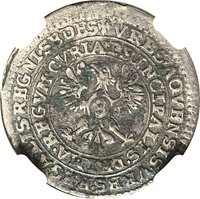
Obverse
Description:
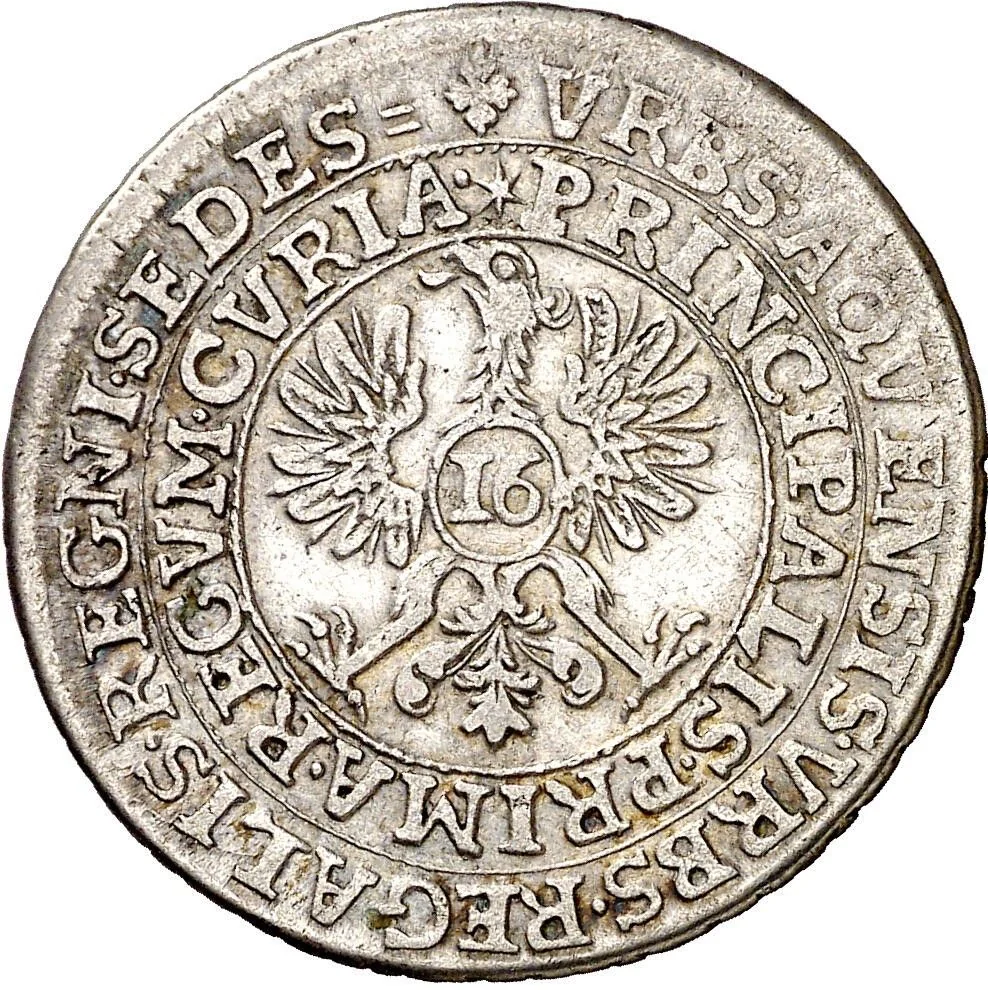
Eagle with breastplate "16," two inscriptions.
Inscription:
VRBS·AQVENSIS·VRBS·REGALIS·REGNI·SEDES
PRICIPALIS·PRIMA·REGVM·CVRIA·*
PRICIPALIS·PRIMA·REGVM·CVRIA·*
Script: Latin
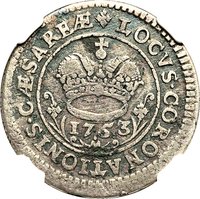
Reverse
Description:
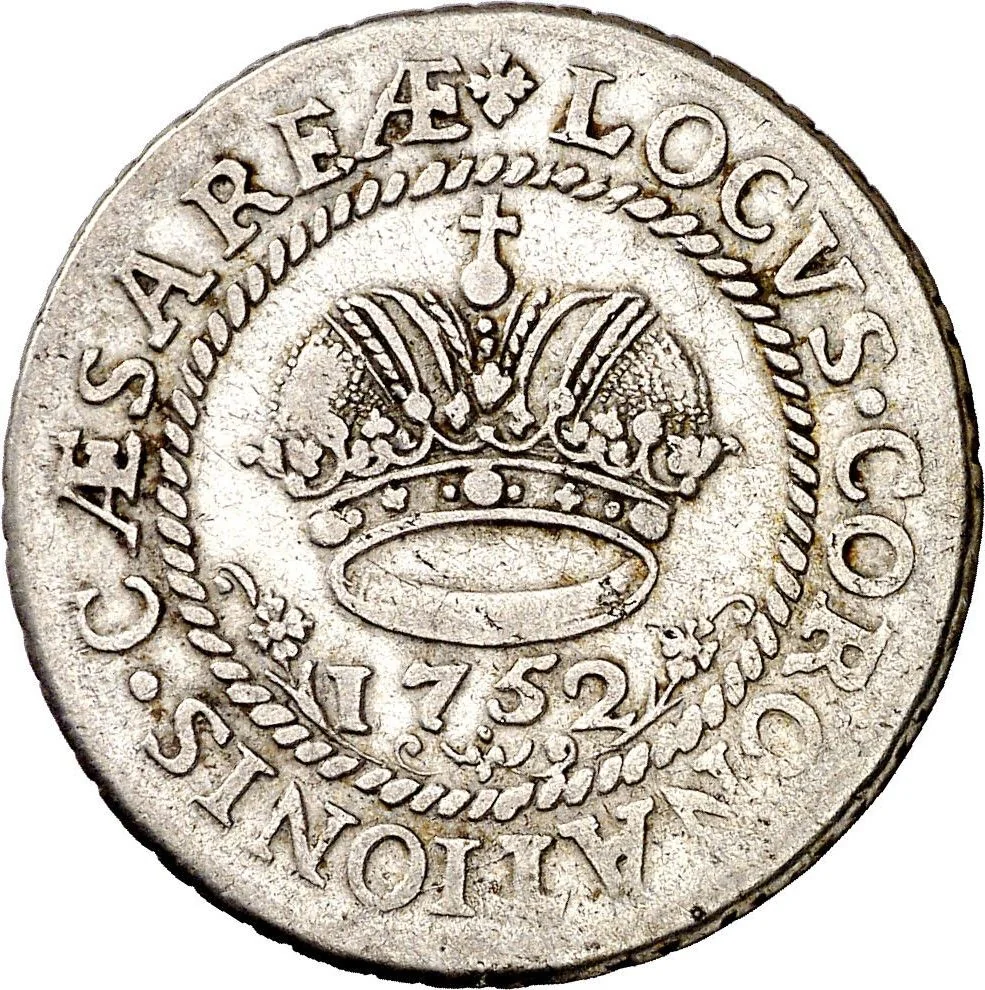
Imperial crown above date, encircled by legend.
Inscription:
LOCUS·CORONATIONIS·CÆSAREÆ
1752
1752
Script: Latin
Edge
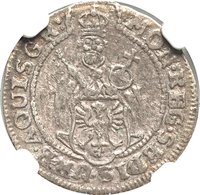
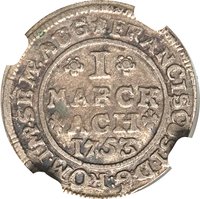
Mintings
| Year | Mint Mark | Mintage | Quality | Collection |
|---|---|---|---|---|
| 1752 | — | — | ||
| 1756 | — | — |
Historical background
In 1752, the Free Imperial City of Aachen operated within the complex and fragmented monetary landscape of the Holy Roman Empire. While politically autonomous, the city did not have the sovereign right to mint its own coins; instead, its currency system was dominated by the issues of larger neighboring territorial states. The most important of these was the Reichstaler from the Cologne mint, as the Archbishop of Cologne was also the city's princely protector. Alongside these, coins from the Spanish (later Austrian) Netherlands, particularly the Patagon and smaller Sou, circulated widely due to Aachen's proximity and significant trade links with regions like Liège and the Duchy of Jülich.
This multiplicity of coins, each with varying metallic content and exchange rates, created a persistent challenge for commerce and daily life. The city council attempted to regulate this by issuing official exchange rate tables (Münztafeln) that fixed the value of foreign coins against the local accounting unit, the Aachener Gulden. However, these official rates often conflicted with market realities, leading to confusion, arbitrage, and frequent complaints from merchants and guilds about unstable prices and the difficulty of settling contracts. The circulation of underweight or debased coins, a common problem in the empire, further eroded trust in the monetary system.
Ultimately, Aachen's currency situation in the mid-18th century was characterized by a lack of control, relying on a patchwork of external coinages and defensive municipal ordinances. This reflected the city’s broader political position: a self-governing commercial center nonetheless constrained by the empire’s decentralized structure and the monetary policies of more powerful regional actors. The system was functional enough for local trade but inherently unstable, foreshadowing the broader monetary reforms that would sweep the region in the decades to come.
This multiplicity of coins, each with varying metallic content and exchange rates, created a persistent challenge for commerce and daily life. The city council attempted to regulate this by issuing official exchange rate tables (Münztafeln) that fixed the value of foreign coins against the local accounting unit, the Aachener Gulden. However, these official rates often conflicted with market realities, leading to confusion, arbitrage, and frequent complaints from merchants and guilds about unstable prices and the difficulty of settling contracts. The circulation of underweight or debased coins, a common problem in the empire, further eroded trust in the monetary system.
Ultimately, Aachen's currency situation in the mid-18th century was characterized by a lack of control, relying on a patchwork of external coinages and defensive municipal ordinances. This reflected the city’s broader political position: a self-governing commercial center nonetheless constrained by the empire’s decentralized structure and the monetary policies of more powerful regional actors. The system was functional enough for local trade but inherently unstable, foreshadowing the broader monetary reforms that would sweep the region in the decades to come.
💎 Extremely Rare