

1 Mun – Joseon
Context
Material
Diameter: 24.5 mm
Weight: 5.21 g
Thickness: 1.57 mm
Shape: Round with a square hole
Composition: Copper
Magnetic: No
Alignment: Medal alignment
flip
References
KM: #Click to copy to clipboard21
Numista: #37231
Obverse
Description:
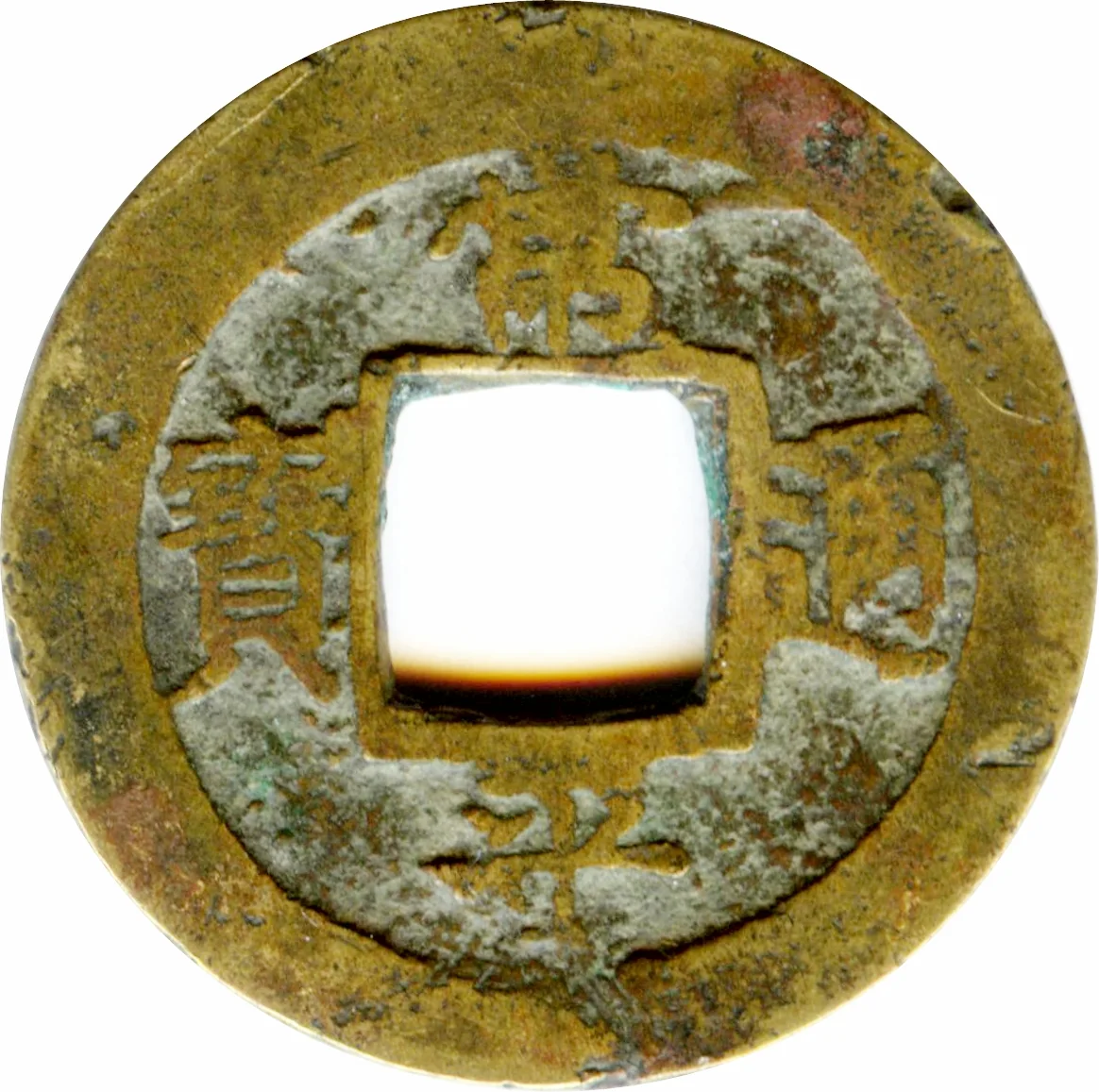
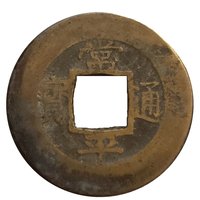
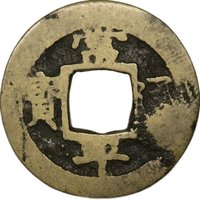
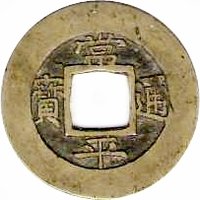
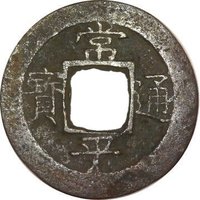
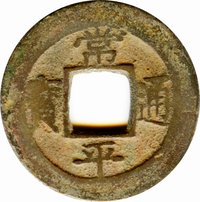
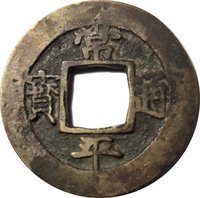
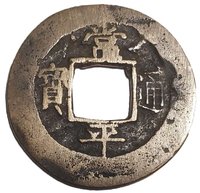
常平通寶 (Sang pyong Tong bo) - Yi Dynasty Korean currency.
Inscription:
常
寶 通
平
寶 通
平
Scripts: Chinese (traditional, regular script)
Reverse
Description:
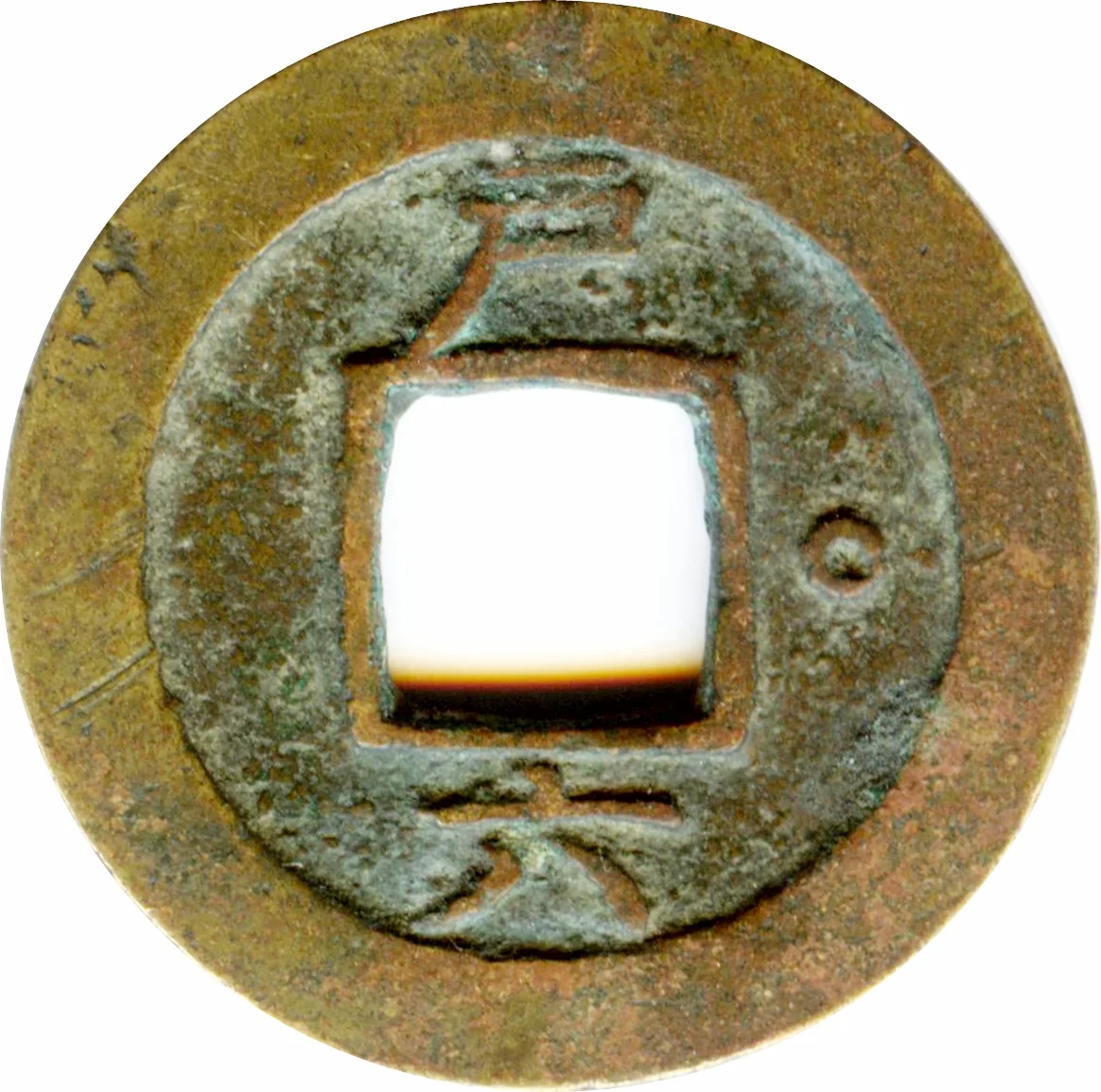
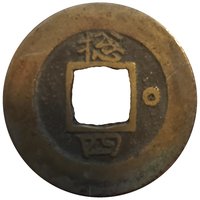
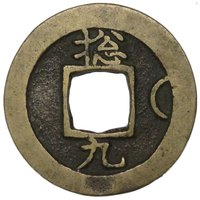
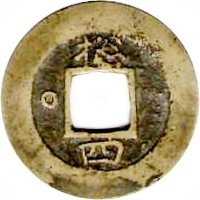
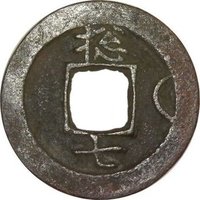
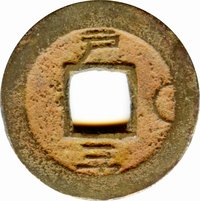
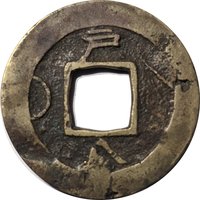
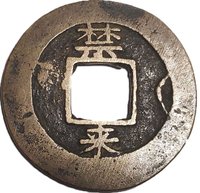
Mint mark top, serial bottom. *户: Treasury.
Inscription:
户
○
六
○
六
Scripts: Chinese (traditional, regular script)
Edge
Plain
Mintings
| Year | Mint Mark | Mintage | Quality | Collection |
|---|---|---|---|---|
| — | 户 | — |
Historical background
In 1757, the monetary system of the Joseon Dynasty was in a state of profound strain and transition. The primary currency, the mun (문), a round copper coin with a square hole, was chronically scarce and poorly distributed. This scarcity was exacerbated by a longstanding ban on the export of copper, which failed to prevent coins from flowing out to China and Japan, where Joseon copper was highly valued. The result was a severe shortage of circulating currency in the domestic market, which stifled commercial activity and forced much of the peasant economy to rely on inefficient barter or the use of cloth, notably cotton pye (폭), as a medium of exchange.
The court in Seoul recognized the crisis and had been attempting reforms, most significantly with the Act of Uniform Currency (Tonghyeon Act) of 1678. This law aimed to standardize coinage and promote its use, but by 1757, its effects were limited. Counterfeiting was rampant, as both private individuals and local government offices illegally minted coins to meet demand, further debasing the currency's value and public trust. The state's own mints, such as the one at Sangpyeongtongbo (상평통보), struggled with production inefficiencies and a lack of copper, making it impossible to flood the market with enough legitimate coinage to stabilize the system.
Consequently, the monetary landscape of 1757 was one of duality and instability. While the royal court officially promoted a copper-based currency system, in practice, a complex and unreliable multi-currency environment prevailed. Coins, cloth, and even rice served as parallel currencies, with their exchange rates fluctuating based on region and harvests. This instability hindered centralized taxation and commerce, reflecting the broader challenges the pre-modern Joseon state faced in exerting economic control and adapting to the growing monetization of its society.
The court in Seoul recognized the crisis and had been attempting reforms, most significantly with the Act of Uniform Currency (Tonghyeon Act) of 1678. This law aimed to standardize coinage and promote its use, but by 1757, its effects were limited. Counterfeiting was rampant, as both private individuals and local government offices illegally minted coins to meet demand, further debasing the currency's value and public trust. The state's own mints, such as the one at Sangpyeongtongbo (상평통보), struggled with production inefficiencies and a lack of copper, making it impossible to flood the market with enough legitimate coinage to stabilize the system.
Consequently, the monetary landscape of 1757 was one of duality and instability. While the royal court officially promoted a copper-based currency system, in practice, a complex and unreliable multi-currency environment prevailed. Coins, cloth, and even rice served as parallel currencies, with their exchange rates fluctuating based on region and harvests. This instability hindered centralized taxation and commerce, reflecting the broader challenges the pre-modern Joseon state faced in exerting economic control and adapting to the growing monetization of its society.
Series: 1757 Joseon circulation coins
💎 Very Rare