

2 ducats – Netherlands
Add to wishlist
Netherlands
Context
Years: 1795–1805
Issuer: Netherlands
Period:
(1795—1806)
Currency:
(1581—1817)
Demonetized: Yes
Total mintage: 1,596,000
Material
References
KM: #
Numista: #371540
Value
Bullion value: $1053.67
Obverse
Description:
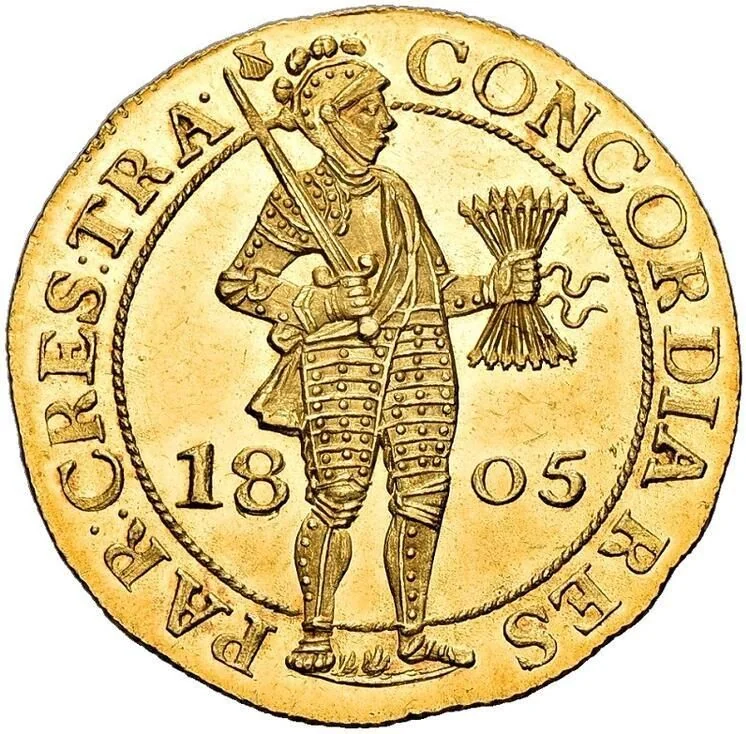
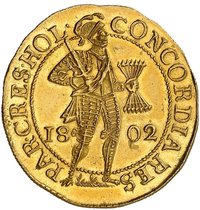
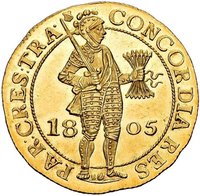
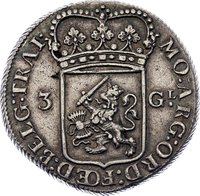
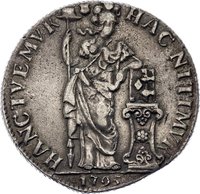
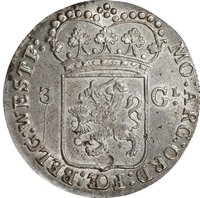
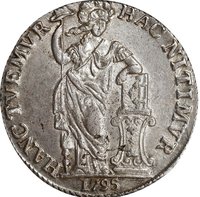
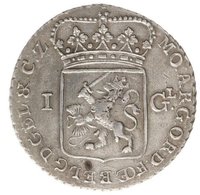
Armored knight facing right, holding a sword and a bundle of arrows.
Inscription:
CONCORDIA RES PAR : CRES : TRA · ⬕
1805
1805
Script: Latin
Reverse
Description:
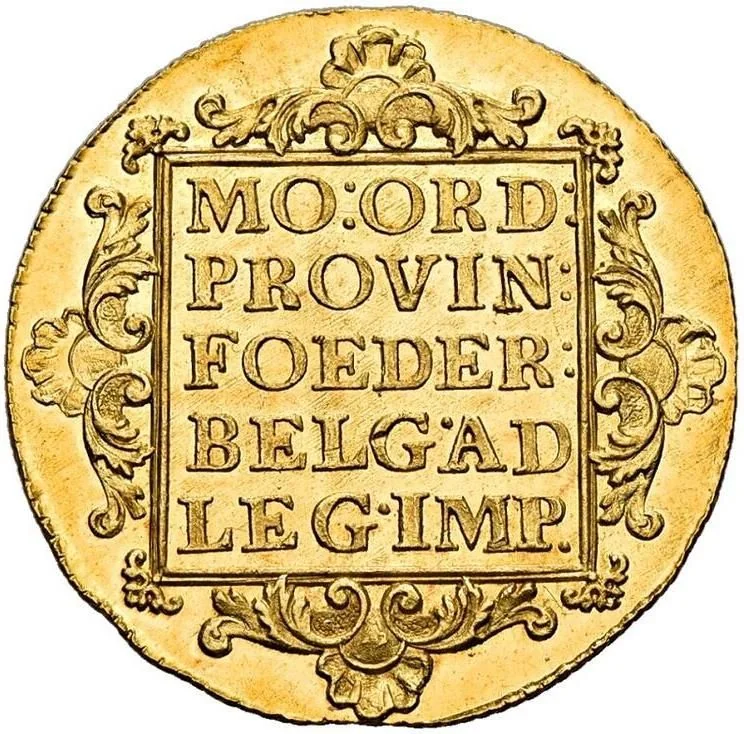
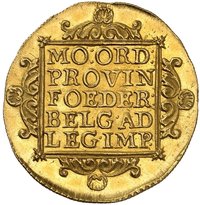
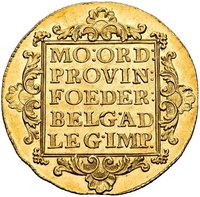
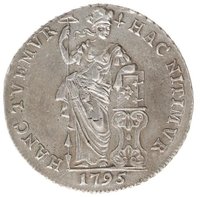
Baroque-framed tablet with five-line inscription.
Inscription:
MO : ORD :
PROVIN :
FOEDER :
BELG ॱ AD
LEG ॱ IMP.
PROVIN :
FOEDER :
BELG ॱ AD
LEG ॱ IMP.
Script: Latin
Edge
Cable edge
Categories
| Object> Armour |
| Object> Cold weapons |
Mints
| Name | Mark |
|---|---|
| Royal Dutch Mint | ⬕ |
Mintings
Historical background
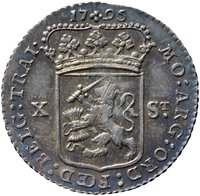
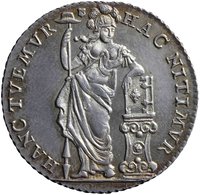
In 1795, the Netherlands found itself in a state of monetary crisis and transition, deeply intertwined with dramatic political upheaval. That January, the French Revolutionary armies invaded, leading to the collapse of the old Dutch Republic (the Republic of the Seven United Netherlands) and the establishment of the French-backed Batavian Republic. This political revolution shattered the existing financial system, as the new regime repudiated the debts of the old Orangist government and confiscated the assets of the deposed Stadtholder, William V. The once-mighty Amsterdam banking houses, pillars of European finance, were paralyzed by the uncertainty and the French imposition of a massive war indemnity.
The currency landscape itself was chaotic and fragmented. A wide variety of coins circulated simultaneously, including old Dutch guilders (daalders and stuivers), foreign specie like German thalers and Spanish ducats, and heavily depreciated paper money. The most notorious paper issues were the assignaten imported from revolutionary France, which were rapidly losing value due to over-printing and a lack of public confidence. This led to severe inflation, a crippling shortage of reliable specie (hard coin), and widespread hoarding of silver and gold. In essence, the monetary system was a confused mix of devalued paper and heterogeneous coinage, undermining daily commerce and economic stability.
Recognizing the urgent need for order, the new Batavian government immediately prioritized monetary reform. One of its first significant acts was the introduction of a standardized national currency in 1795, the guiden, based on a decimal system—a radical departure from the old complex subdivisions. This was a deliberate ideological move to mirror French revolutionary decimalization and symbolize a clean break from the old regime. However, the success of this new currency was initially limited; the state lacked the silver reserves to back it fully, and the pervasive economic dislocation of the period meant that restoring public trust in a unified monetary system would be a protracted challenge throughout the Batavian period.
The currency landscape itself was chaotic and fragmented. A wide variety of coins circulated simultaneously, including old Dutch guilders (daalders and stuivers), foreign specie like German thalers and Spanish ducats, and heavily depreciated paper money. The most notorious paper issues were the assignaten imported from revolutionary France, which were rapidly losing value due to over-printing and a lack of public confidence. This led to severe inflation, a crippling shortage of reliable specie (hard coin), and widespread hoarding of silver and gold. In essence, the monetary system was a confused mix of devalued paper and heterogeneous coinage, undermining daily commerce and economic stability.
Recognizing the urgent need for order, the new Batavian government immediately prioritized monetary reform. One of its first significant acts was the introduction of a standardized national currency in 1795, the guiden, based on a decimal system—a radical departure from the old complex subdivisions. This was a deliberate ideological move to mirror French revolutionary decimalization and symbolize a clean break from the old regime. However, the success of this new currency was initially limited; the state lacked the silver reserves to back it fully, and the pervasive economic dislocation of the period meant that restoring public trust in a unified monetary system would be a protracted challenge throughout the Batavian period.
✨ Legendary