

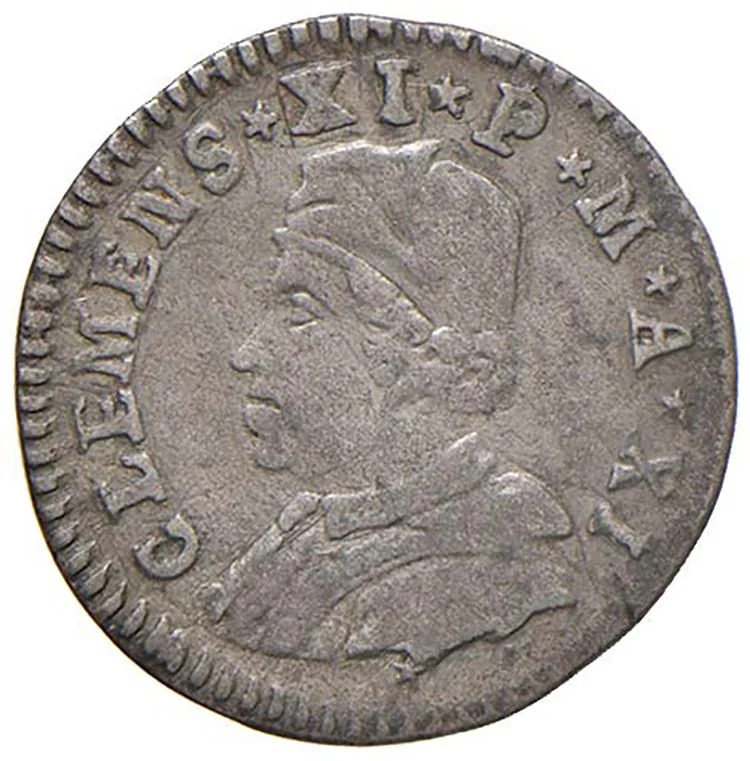
2 baiocchi – Ferrara
Add to wishlist
Italy
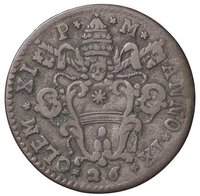
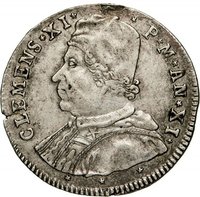
Obverse
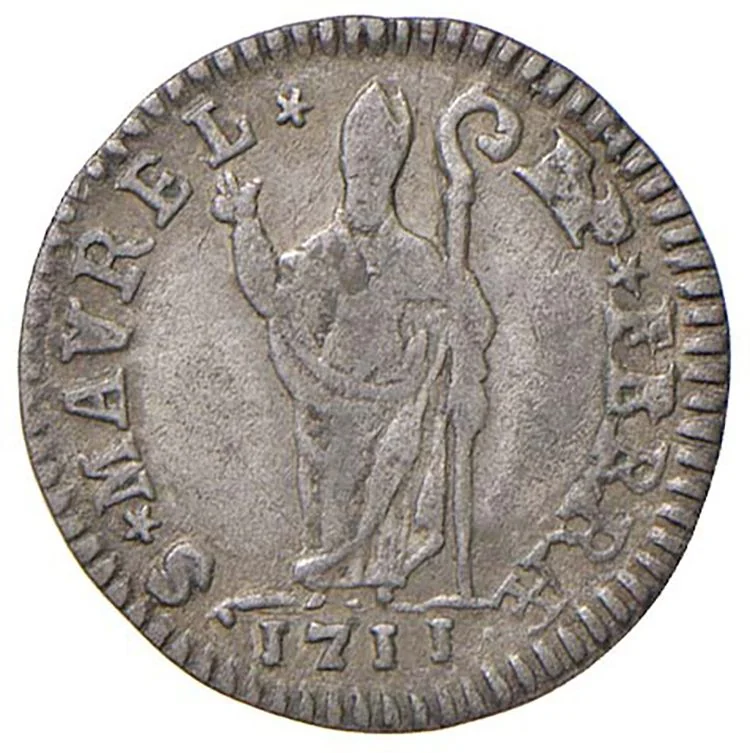
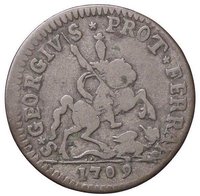
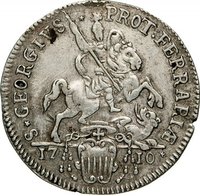
Reverse
Description:
Saint Maurelius stands with one hand raised, holding a pastoral staff at his side.
Inscription:
S ☆ MAVREL ☆ EP ☆ FERRÆ ☆
Script: Latin
Edge
Plain
Categories
| Symbol> Hand |
| Object> Hat |
| Religion> Religious objects |
| Person> Monarch |
| Person> Religious figure |
Mints
| Name | Mark |
|---|---|
| Ferrara | — |
Mintings
| Year | Mint Mark | Mintage | Quality | Collection |
|---|---|---|---|---|
| 1710 | — | — | ||
| 1711 | — | — |
Historical background
In 1710, the Duchy of Ferrara, under the rule of the Papal States since 1598, faced a complex and challenging currency situation typical of the fragmented Italian peninsula. The monetary system was a tangled mix of circulating coins, including local papal issues from the Bologna mint, older Este dynasty coins still in use, and a plethora of foreign currencies from neighboring states like Venice (ducats), Milan (scudi), and Genoa. This proliferation created constant difficulties in exchange rates and valuation, hindering trade and causing confusion in everyday transactions.
The primary unit of account was the Papal scudo, divided into 10 paoli or 100 baiochi. However, the actual silver and gold content of coins bearing these denominations could vary, leading to problems of debasement and Gresham's Law ("bad money drives out good money"). Furthermore, the ongoing War of the Spanish Succession (1701-1714) exerted significant pressure on the region's economy. Papal authorities, like others in Europe, often resorted to manipulating coinage to fund obligations, risking inflation and a loss of public confidence in the currency.
For the merchants and citizens of Ferrara, this meant daily commerce required expertise from money-changers and constant vigilance. Prices were often negotiated based on the specific type of coin being offered, and stable savings were difficult to maintain. While not in a state of catastrophic crisis, the currency situation in 1710 Ferrara was one of persistent instability, reflecting the broader political and economic fragility of a small state embedded within the contested spheres of influence of greater European powers.
The primary unit of account was the Papal scudo, divided into 10 paoli or 100 baiochi. However, the actual silver and gold content of coins bearing these denominations could vary, leading to problems of debasement and Gresham's Law ("bad money drives out good money"). Furthermore, the ongoing War of the Spanish Succession (1701-1714) exerted significant pressure on the region's economy. Papal authorities, like others in Europe, often resorted to manipulating coinage to fund obligations, risking inflation and a loss of public confidence in the currency.
For the merchants and citizens of Ferrara, this meant daily commerce required expertise from money-changers and constant vigilance. Prices were often negotiated based on the specific type of coin being offered, and stable savings were difficult to maintain. While not in a state of catastrophic crisis, the currency situation in 1710 Ferrara was one of persistent instability, reflecting the broader political and economic fragility of a small state embedded within the contested spheres of influence of greater European powers.
💎 Extremely Rare