

1 rupee – Mughal Empire
Add to wishlist
India
Context
Years: 1755–1761
Country: India
Issuer: Mughal Empire
Ruler: Alamgir II
Currency:
(1540—1842)
Demonetized: Yes
Material
References
KM: #
Numista: #366992
Value
Bullion value: $28.85
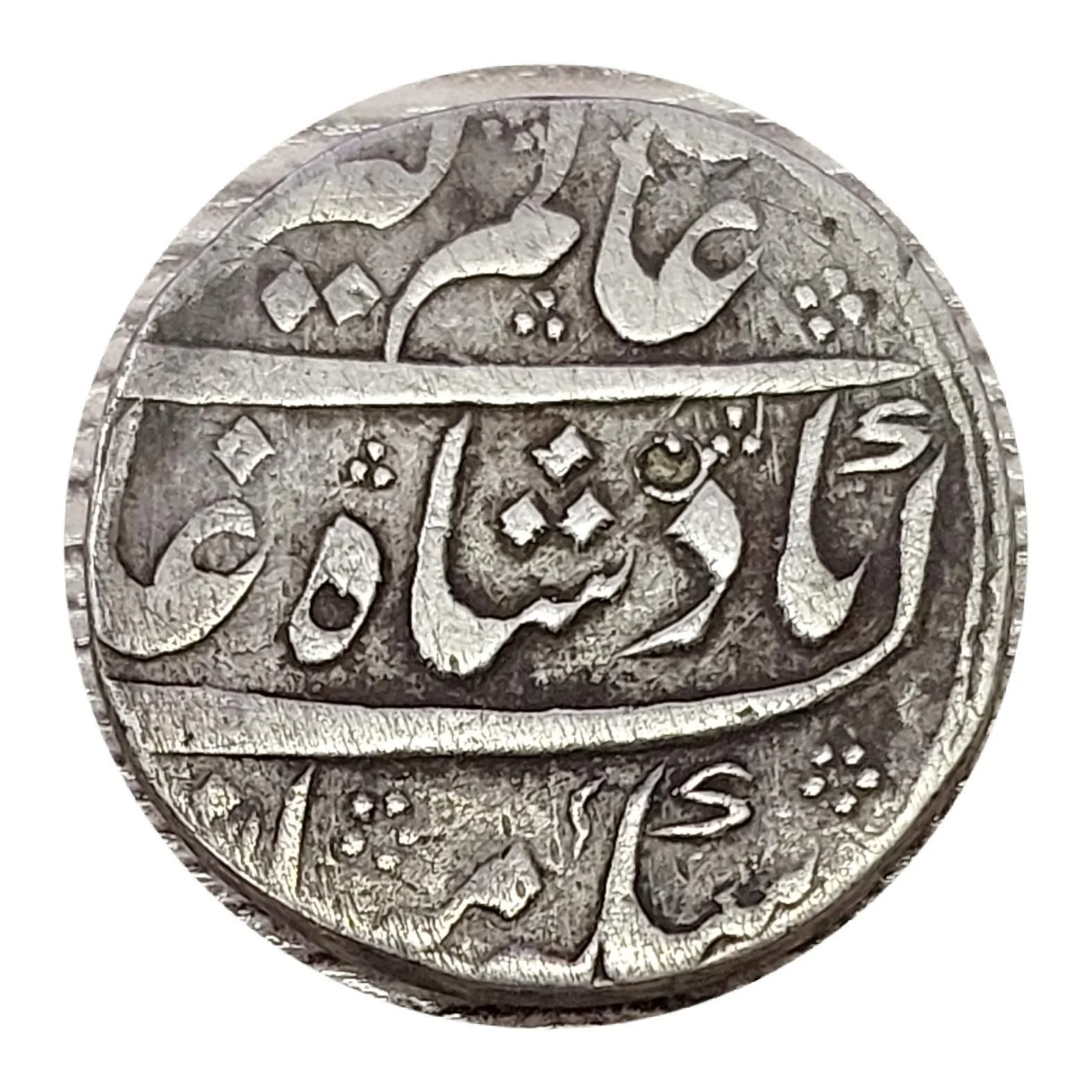
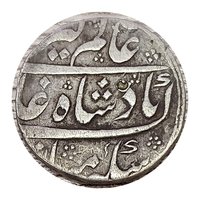
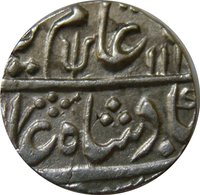
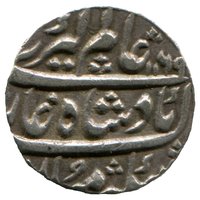
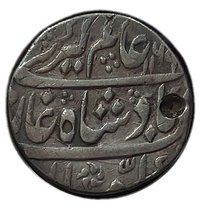
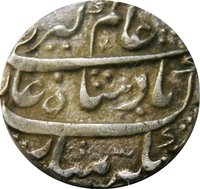
Obverse
Description:
Sikka Mubarak Alamgir Badshah Gazi
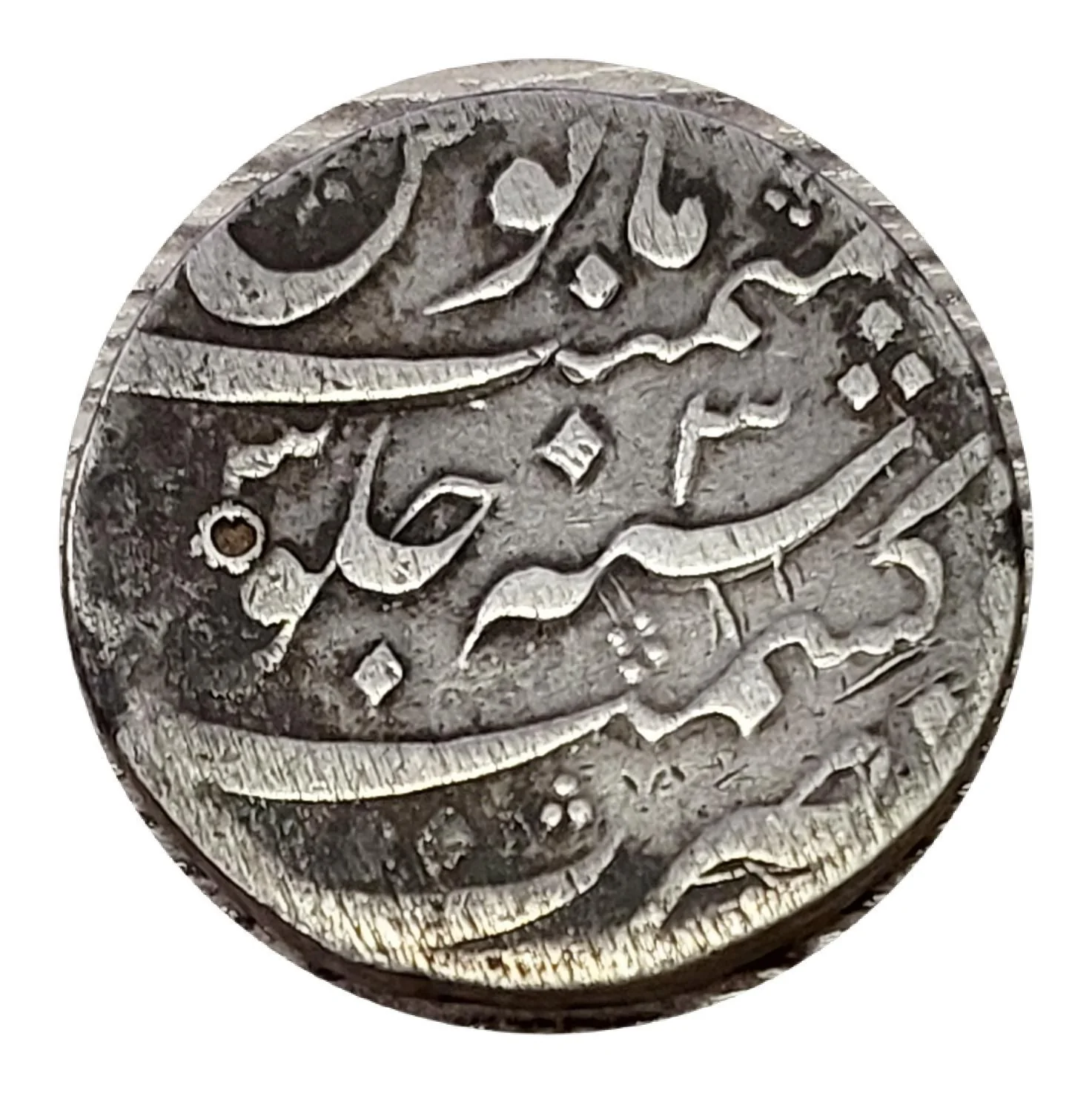
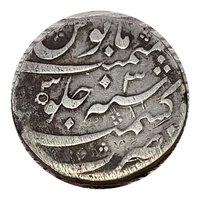
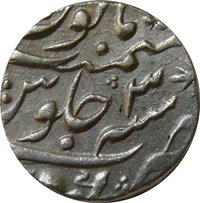
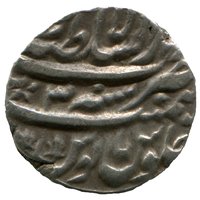
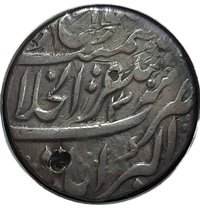
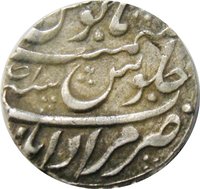
Reverse
Description:
Manoos Memanat Sana (RY) 3rd Mint Kashmir
Edge
Plain
Mintings
| Year | Mint Mark | Mintage | Quality | Collection |
|---|---|---|---|---|
| — | — | — |
Historical background
By 1755, the Mughal Empire's currency system, once a pillar of its administrative and economic strength, was under severe strain. The imperial minting standard, the rupee, remained the nominal unit of account, but its uniformity and purity were fracturing. While the core silver rupee from mints in Delhi, Lahore, and Awadh still carried prestige, numerous regional successor states like Bengal, Hyderabad, and the Maratha Confederacy were increasingly striking their own coins, often of varying weight and fineness. This created a complex monetary landscape where the value of a rupee depended heavily on its place of origin.
The period was marked by a critical shortage of silver, the lifeblood of the rupee. This was caused by multiple factors: the diversion of New World silver to Europe via trade imbalances, the hoarding of bullion during persistent military conflicts, and the massive outflow of treasure as war indemnities—most notably the 50 million rupees paid to the Marathas after the Battle of Sikandarabad (1754). To cope, some mints debased their coinage with copper, eroding public trust. Concurrently, older, full-weight Mughal rupees from the reigns of Aurangzeb or earlier ("Sanat rupees") circulated at a premium over newer, lighter coins, effectively creating a two-tier currency system.
Furthermore, the monetary sovereignty of the Emperor was being directly challenged. The Marathas, now dominant in the north after their recent victories, were collecting the chauth (quarter-revenue tax) and sardeshmukhi across vast territories, siphoning off revenue that once flowed to the imperial treasury. With the empire's territorial and economic base shrinking, Emperor Alamgir II held little more than symbolic authority. The currency situation in 1755 thus mirrored the political reality: a hollow imperial framework persisted, but real monetary control was rapidly decentralizing into the hands of emerging regional powers, setting the stage for the fractured economies of the late 18th century.
The period was marked by a critical shortage of silver, the lifeblood of the rupee. This was caused by multiple factors: the diversion of New World silver to Europe via trade imbalances, the hoarding of bullion during persistent military conflicts, and the massive outflow of treasure as war indemnities—most notably the 50 million rupees paid to the Marathas after the Battle of Sikandarabad (1754). To cope, some mints debased their coinage with copper, eroding public trust. Concurrently, older, full-weight Mughal rupees from the reigns of Aurangzeb or earlier ("Sanat rupees") circulated at a premium over newer, lighter coins, effectively creating a two-tier currency system.
Furthermore, the monetary sovereignty of the Emperor was being directly challenged. The Marathas, now dominant in the north after their recent victories, were collecting the chauth (quarter-revenue tax) and sardeshmukhi across vast territories, siphoning off revenue that once flowed to the imperial treasury. With the empire's territorial and economic base shrinking, Emperor Alamgir II held little more than symbolic authority. The currency situation in 1755 thus mirrored the political reality: a hollow imperial framework persisted, but real monetary control was rapidly decentralizing into the hands of emerging regional powers, setting the stage for the fractured economies of the late 18th century.
✨ Legendary