

1 zecchino – Papal States
Add to wishlist
Vatican City
Context
Year: 1729
Country: Vatican City
Issuer: Papal States
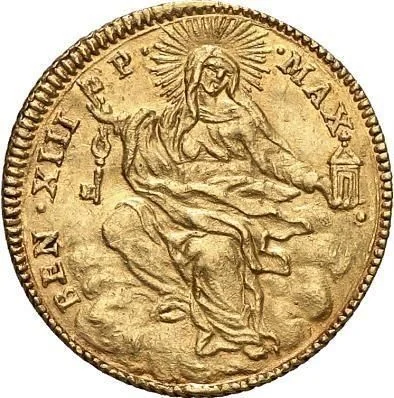
Ruler: Benedict XIII
Currency:
(1534—1835)
Demonetized: Yes
Material
References
KM: #
Numista: #360817
Value
Bullion value: $536.04
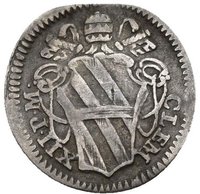
Obverse
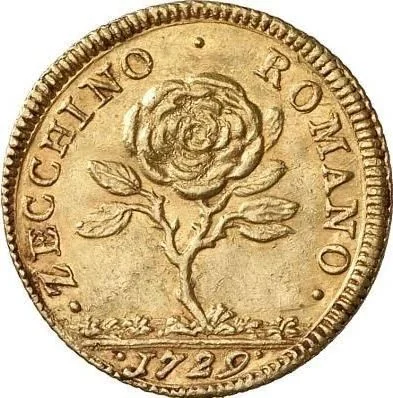
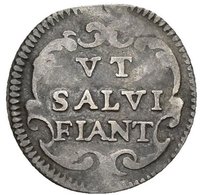
Reverse
Description:
Rose with buds and stem above value, date below.
Inscription:
ZECCHINO ROMANO
1729
1729
Script: Latin
Edge
Mints
| Name | Mark |
|---|---|
| Rome | — |
Mintings
| Year | Mint Mark | Mintage | Quality | Collection |
|---|---|---|---|---|
| 1729 | — | — |
Historical background
In 1729, the Papal States’ currency system was characterized by significant complexity and instability, a legacy of the fragmented political and economic landscape of Italy. The state issued its own silver scudo and copper baiocco coins, but these circulated alongside a multitude of foreign currencies, particularly Spanish silver pieces-of-eight and gold coins from other Italian states and beyond. This proliferation of different coins, each with fluctuating intrinsic metal values, created chronic confusion in trade and public finance. The Papal Mint struggled with the technical and administrative challenges of maintaining consistent coinage, leading to occasional debasements and public distrust.
The situation was further strained by the broader European context of the early 18th century, a period marked by frequent wars and metallic currency shortages. Pope Benedict XIII (1724-1730), whose pontificate covered this period, was a pious reformer more focused on theological and disciplinary matters than on intricate economic policy. Consequently, there was no decisive monetary reform during his reign to consolidate or stabilize the currency. The treasury faced persistent deficits, often financed through borrowing and the manipulation of coin values, which only exacerbated the inflationary pressures and speculative practices within the state's economy.
Ultimately, the monetary disarray of 1729 was symptomatic of the Papal States' broader administrative weaknesses during the ancien régime. The lack of a unified, trusted currency hindered commerce and state revenue collection, embedding economic vulnerability. This instability would persist until more concerted, though often still problematic, reforms were attempted later in the century under popes like Clement XII and Benedict XIV, who began to address the standardization of weights, measures, and coinage in a more systematic manner.
The situation was further strained by the broader European context of the early 18th century, a period marked by frequent wars and metallic currency shortages. Pope Benedict XIII (1724-1730), whose pontificate covered this period, was a pious reformer more focused on theological and disciplinary matters than on intricate economic policy. Consequently, there was no decisive monetary reform during his reign to consolidate or stabilize the currency. The treasury faced persistent deficits, often financed through borrowing and the manipulation of coin values, which only exacerbated the inflationary pressures and speculative practices within the state's economy.
Ultimately, the monetary disarray of 1729 was symptomatic of the Papal States' broader administrative weaknesses during the ancien régime. The lack of a unified, trusted currency hindered commerce and state revenue collection, embedding economic vulnerability. This instability would persist until more concerted, though often still problematic, reforms were attempted later in the century under popes like Clement XII and Benedict XIV, who began to address the standardization of weights, measures, and coinage in a more systematic manner.
✨ Legendary