Logo Title
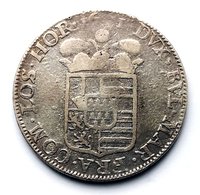
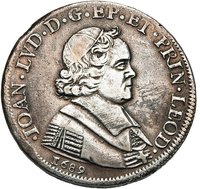
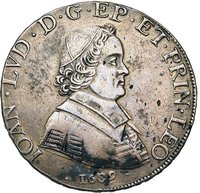
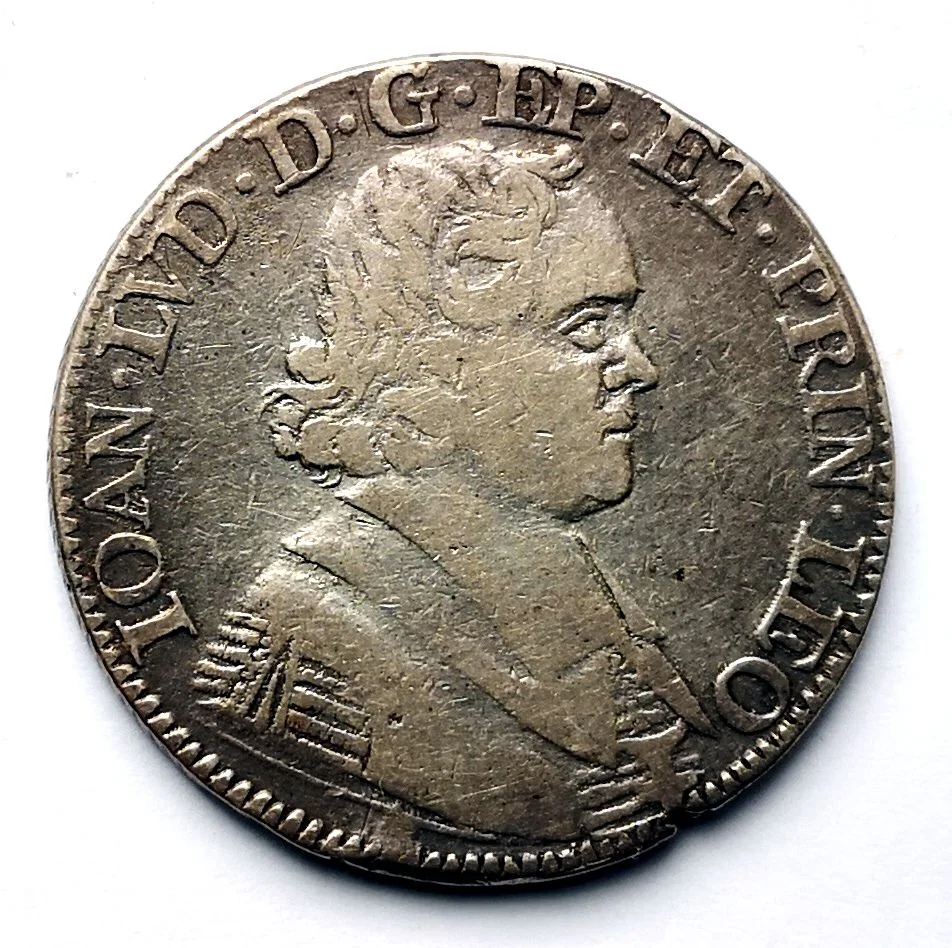
obverse
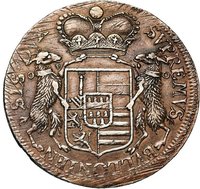
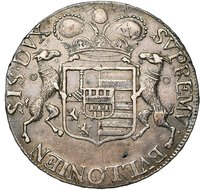
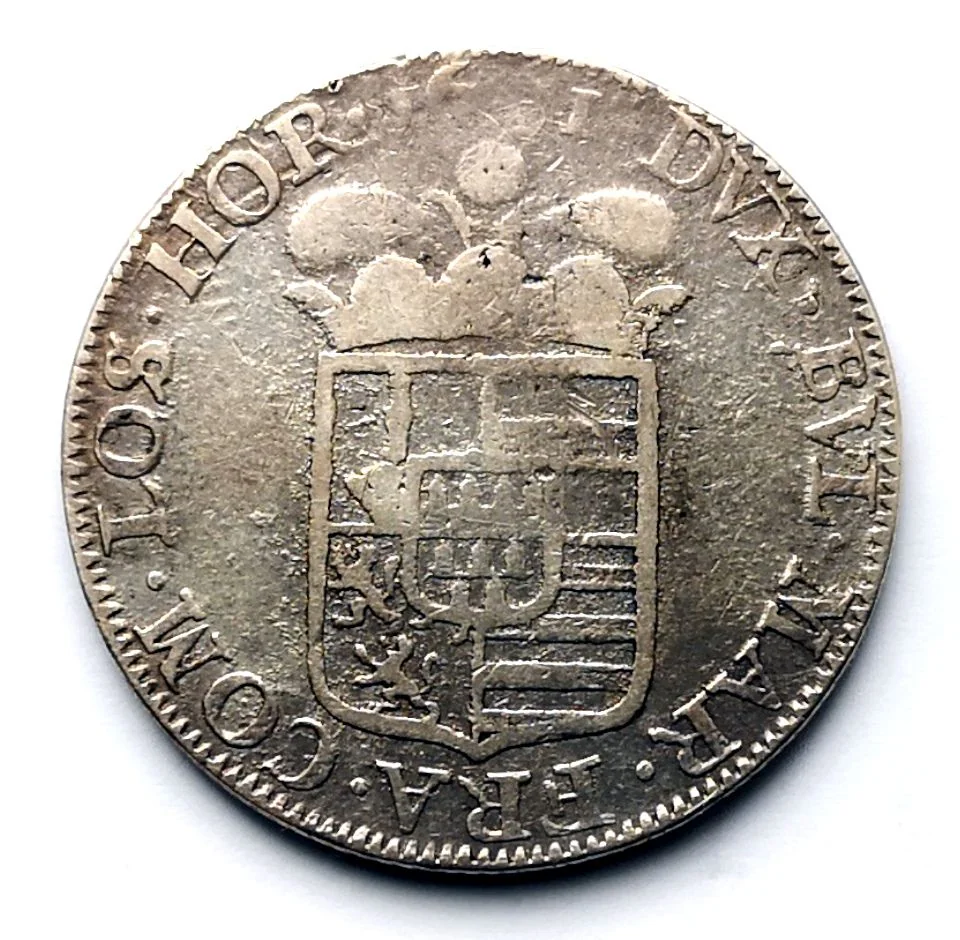
reverse
LLLC CC BY-NC-SA
Context
Years: 1689–1693
Country: Belgium Country flag
Currency:
(1650—1795)
Demonetized: Yes
Material
Diameter: 37 mm
Weight: 27.36 g
Silver weight: 27.36 g
Thickness: 2.5 mm
Shape: Round
Composition: Silver
Magnetic: No
Technique: Milled
Alignment: Coin alignment
Obverse
OBVERSE ↑
flip
Reverse
REVERSE ↓
References
KM: #Click to copy to clipboard102
Numista: #358735
Value
Bullion value: $75.84

Obverse

Description:
Bust right.
Inscription:
IOAN · LVD · D · G · EP · ET · PRIN · LEO
Script: Latin

Reverse

Description:
Arms with a ducal coronet.
Inscription:
DVX · BVL · MAR · FRA · COM · LOS · HOR · 1691
Script: Latin

Edge

Reeded

Mintings

YearMint MarkMintageQualityCollection
1689
1690
1691
1692
1693

Historical background

In 1689, the Prince-Bishopric of Liège found itself in a complex and challenging monetary situation, typical of the fragmented Holy Roman Empire. The principality did not possess a unified, sovereign currency system. Instead, its economy operated on a mixture of coins: those officially minted by the Prince-Bishop's own mints (like the patard or liard), a flood of foreign currencies from neighboring states such as the Spanish Netherlands and the Dutch Republic, and older, often debased coins still in circulation. This created a chaotic environment where the value and silver content of coins in daily use varied widely, leading to frequent disputes and confusion in trade.

The core of the problem was chronic debasement. Facing persistent fiscal pressures, including the costs of maintaining neutrality and fortifications during periods of European conflict, the prince-bishops often resorted to reducing the precious metal content in their coinage. This practice, while providing short-term revenue, eroded public trust and sparked inflation. The situation was exacerbated by "bad money driving out good" (Gresham's Law), as holders would hoard or export full-weight coins, leaving only the debased currency in common circulation, further degrading the local economy.

Furthermore, the year 1689 fell within a period of regional instability due to the Nine Years' War (1688-1697). While Liège officially maintained a fragile neutrality under Prince-Bishop Jean-Louis d'Elderen, its lands were traversed by armies, and it faced immense political pressure from both France and the Grand Alliance. This wartime context strained public finances to the limit, making the temptation to debase the currency for seigniorage profit even greater. Consequently, the monetary landscape of Liège in 1689 was one of weakness, confusion, and inflationary pressure, undermining both commerce and the authority of the episcopal mint.

Series: 1689 Prince-bishopric of Liege circulation coins

1 Ducaton obverse
1 Ducaton reverse
1 Ducaton
1689
1 Patagon obverse
1 Patagon reverse
1 Patagon
1689-1693
1 Ducaton obverse
1 Ducaton reverse
1 Ducaton
1689
Legendary