

1 Pe – Cambodia
Cambodia
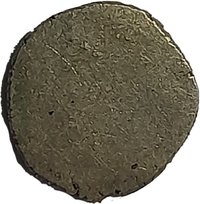
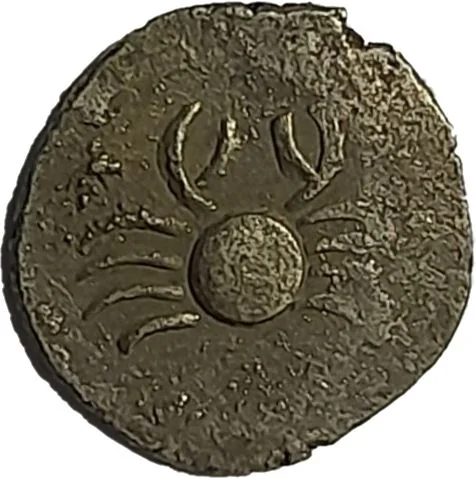
Obverse
Description:
Lone crab on empty plain.
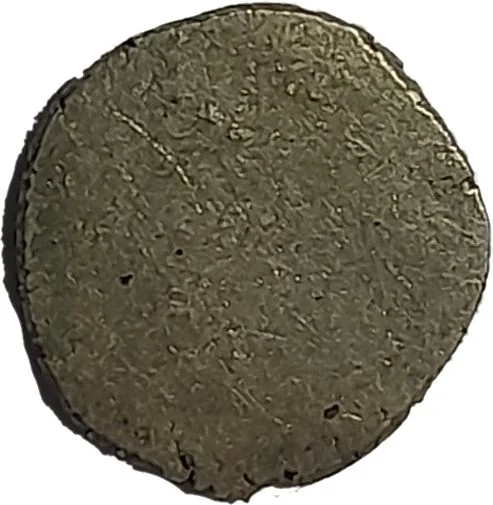
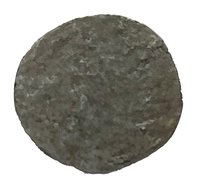
Reverse
Description:
Blank.
Edge
Plain
Categories
| Animal> Crustacean |
Mintings
| Year | Mint Mark | Mintage | Quality | Collection |
|---|---|---|---|---|
| — | — | — |
Historical background
In 1570, the currency situation in the Kingdom of Cambodia was characterized by a complex and multi-layered system, deeply influenced by its position within vibrant regional trade networks. The primary economic activity was subsistence agriculture and local barter, but the kingdom, particularly its capital at Longvek, was a significant hub in the maritime trade connecting China, the Malay Archipelago, and the Indian Ocean. Consequently, the monetized sector of the economy operated on a dual track: a local system of commodity money and a sophisticated international system using imported precious metal coins.
For high-value and long-distance trade, the most important currencies were foreign silver coins, primarily Spanish reales (later known as "pieces of eight") from the New World and silver tical bars from the Thai Ayutthaya Kingdom. Chinese copper cash coins also circulated, brought by merchants from the Ming Dynasty. These imported coins were not legal tender issued by a Cambodian monarch but were valued by weight and purity in market transactions. The royal court likely collected taxes and conducted its own large-scale commerce using these precious metals, often measured in the traditional unit of the tael.
At the local and village level, however, transactions were more commonly conducted through barter or using commodity currencies. Standardized quantities of rice, cloth, and other practical goods served as mediums of exchange and units of account for everyday purchases and small-scale trade. There is no evidence of a standardized, nationally minted coinage issued by the Cambodian king at this time. Thus, the monetary landscape was fragmented: a peasant might pay a tax or temple offering in rice, while a merchant in Longvek’s port would negotiate a shipment of forest goods using weighed silver of foreign origin.
For high-value and long-distance trade, the most important currencies were foreign silver coins, primarily Spanish reales (later known as "pieces of eight") from the New World and silver tical bars from the Thai Ayutthaya Kingdom. Chinese copper cash coins also circulated, brought by merchants from the Ming Dynasty. These imported coins were not legal tender issued by a Cambodian monarch but were valued by weight and purity in market transactions. The royal court likely collected taxes and conducted its own large-scale commerce using these precious metals, often measured in the traditional unit of the tael.
At the local and village level, however, transactions were more commonly conducted through barter or using commodity currencies. Standardized quantities of rice, cloth, and other practical goods served as mediums of exchange and units of account for everyday purchases and small-scale trade. There is no evidence of a standardized, nationally minted coinage issued by the Cambodian king at this time. Thus, the monetary landscape was fragmented: a peasant might pay a tax or temple offering in rice, while a merchant in Longvek’s port would negotiate a shipment of forest goods using weighed silver of foreign origin.
✨ Legendary