


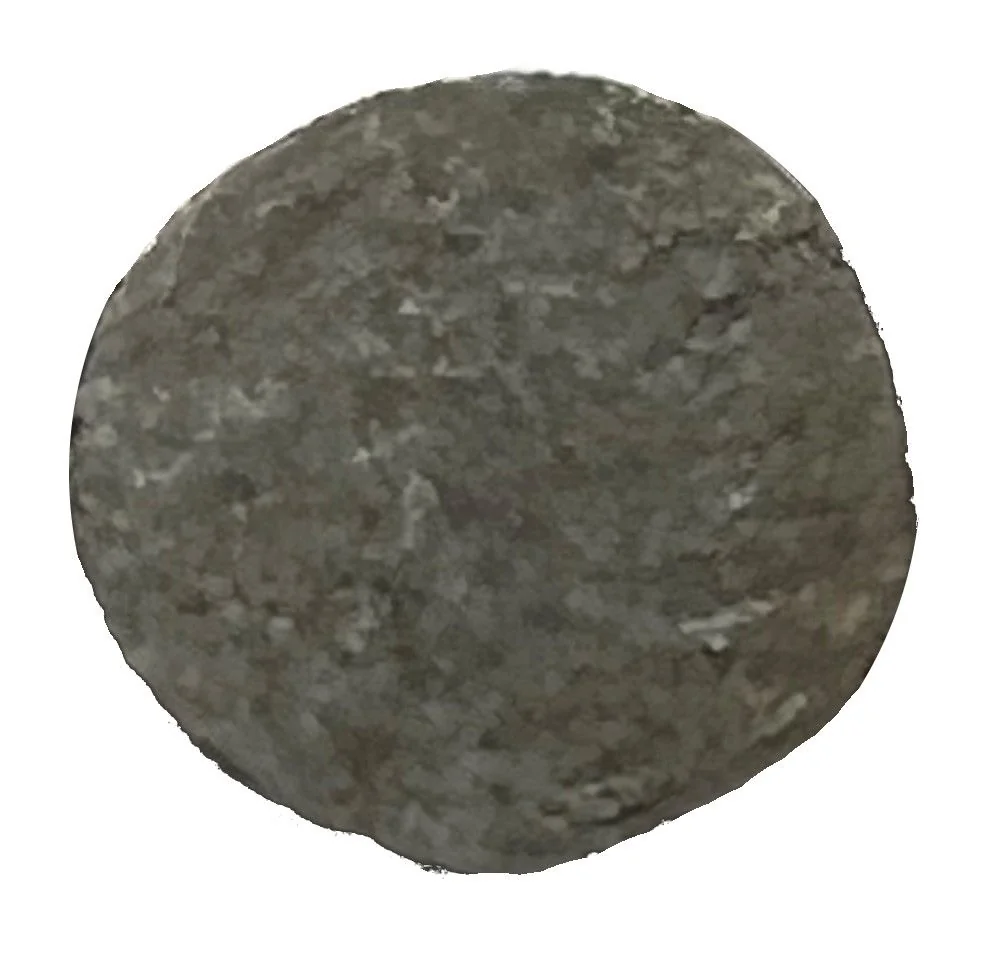
1 Pe – Cambodia
Cambodia
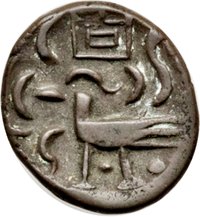
Obverse
Description:
Seed and root
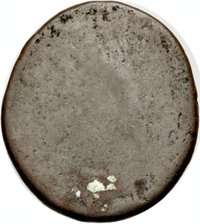
Reverse
Description:
Plain; may have anvil marks.
Edge
Mintings
| Year | Mint Mark | Mintage | Quality | Collection |
|---|---|---|---|---|
| — | — | — |
Historical background
In 1604, Cambodia's currency situation was characterized by a dual system of indigenous and foreign coinage, reflecting its position as a vibrant, trade-oriented kingdom within the Southeast Asian maritime network. The primary medium of exchange for everyday transactions, especially in rural areas and local markets, remained commodity money. This included standardized measures of rice, cloth, and most notably, silver in bulk form (often cast into small, lump-like ingots known as damlung or "bullet" coins). These were not minted coins but valued by weight and purity, requiring the use of small scales in commercial dealings.
Simultaneously, the kingdom was heavily influenced by the influx of foreign silver coins due to its strategic location on the Gulf of Siam. Spanish-American silver reales (pieces of eight) and Mexican pesos, carried by Portuguese and Spanish traders, as well as various silver coins from the Islamic sultanates, circulated widely in major port cities like Phnom Penh and Lovek. These coins were valued for their consistent silver content and facilitated regional trade, particularly with Ayutthaya (Siam), Cochinchina (Vietnam), and Chinese merchant communities. Their use signified Cambodia's integration into the early stages of global bullion flows from the New World.
This monetary environment existed under the reign of King Barom Reachea IV, during a period of relative stability sandwiched between earlier dynastic conflicts and later Siamese invasions. The state apparatus did not engage in a formal, centralized minting of a national coinage; instead, royal authority derived revenue through trade taxes, tributes, and control over precious metals. The currency situation was thus pragmatic and market-driven, relying on a combination of traditional weight-based silver and trusted foreign specie to fuel both its domestic economy and its international commerce.
Simultaneously, the kingdom was heavily influenced by the influx of foreign silver coins due to its strategic location on the Gulf of Siam. Spanish-American silver reales (pieces of eight) and Mexican pesos, carried by Portuguese and Spanish traders, as well as various silver coins from the Islamic sultanates, circulated widely in major port cities like Phnom Penh and Lovek. These coins were valued for their consistent silver content and facilitated regional trade, particularly with Ayutthaya (Siam), Cochinchina (Vietnam), and Chinese merchant communities. Their use signified Cambodia's integration into the early stages of global bullion flows from the New World.
This monetary environment existed under the reign of King Barom Reachea IV, during a period of relative stability sandwiched between earlier dynastic conflicts and later Siamese invasions. The state apparatus did not engage in a formal, centralized minting of a national coinage; instead, royal authority derived revenue through trade taxes, tributes, and control over precious metals. The currency situation was thus pragmatic and market-driven, relying on a combination of traditional weight-based silver and trusted foreign specie to fuel both its domestic economy and its international commerce.
✨ Legendary