

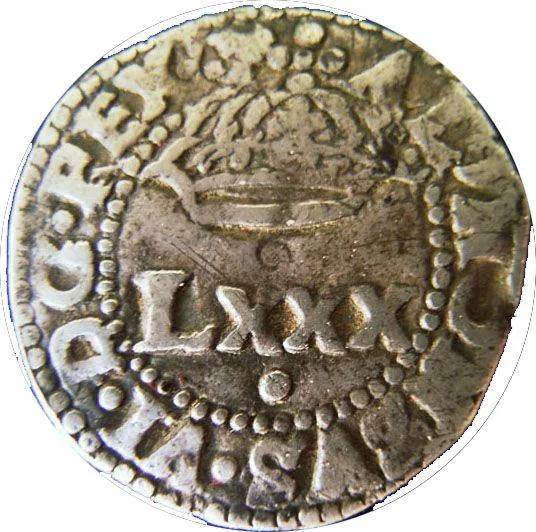
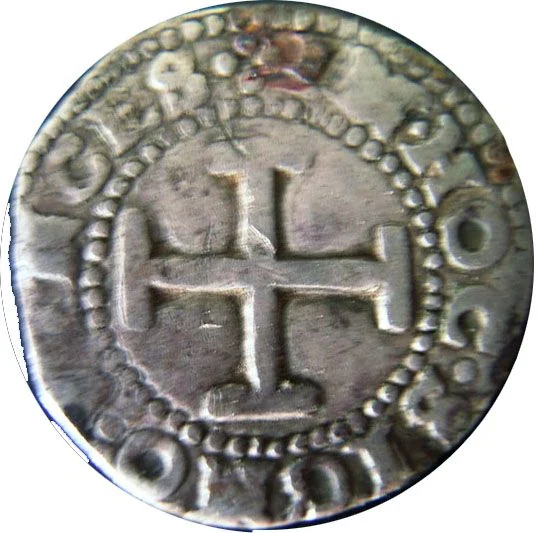
80 réis – Portugal
Add to wishlist
Portugal
Context
Material
Diameter: 24 mm
Weight: 4.58 g
Silver Weight:: 4.20 g
Shape: Irregular round
Composition: 91.7% Silver
Magnetic: No
Technique: Hammered
References
KM: #
Numista: #35490
Value
Bullion value: $10.48
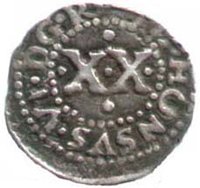
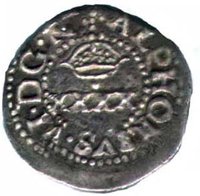
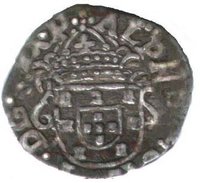
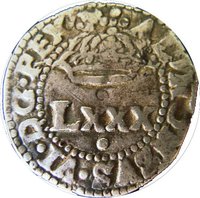
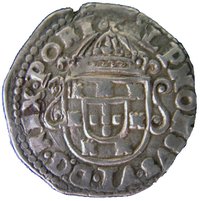
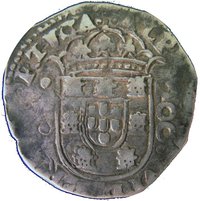
Obverse
Inscription:
ALPHONSVS.VI.DG.REX
Lxxx
Lxxx
Script: Latin
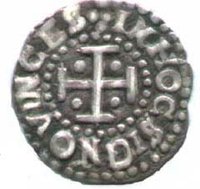
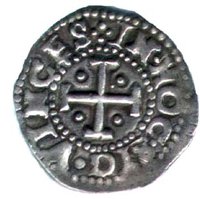
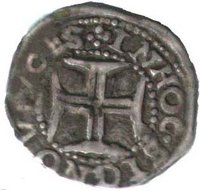
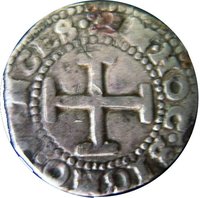
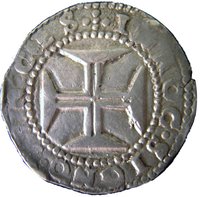
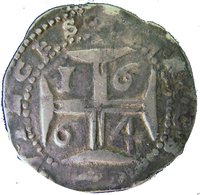
Reverse
Inscription:
IN.HOC.SIGNO.VINCES
Script: Latin
Edge
Mints
| Name | Mark |
|---|---|
| Imprensa Nacional - Casa da Moeda | — |
Mintings
| Year | Mint Mark | Mintage | Quality | Collection |
|---|---|---|---|---|
| — | — | — |
Historical background
In 1663, Portugal’s currency situation was one of profound crisis and transition, deeply entangled with the nation’s struggle for restored independence. Following the end of the Iberian Union in 1640, the newly restored monarchy under King Afonso VI faced immense financial strain from nearly continuous warfare with Spain. To fund these military efforts, the crown resorted to severe debasement of the coinage, notably the real. The silver content of coins was drastically reduced while their face value was increased, a short-term measure that flooded the economy with poor-quality currency and triggered rampant inflation, eroding public trust and commercial stability.
This monetary instability was exacerbated by a parallel circulation of older, high-value Spanish and Portuguese coins from the Habsburg era, which were hoarded or exported, and a flood of low-value, newly minted réis. The result was Gresham’s Law in action: "bad money drove out good." This chaotic system hampered both domestic trade and Portugal’s vital overseas commercial interests, as merchants and foreign partners struggled with uncertain valuations. The situation reflected a broader fiscal desperation, where the crown’s mint became a primary source of revenue, sacrificing long-term economic health for immediate wartime survival.
Ultimately, the crisis of 1663 was a pivotal moment that underscored the urgent need for reform. The chaotic currency was a direct symptom of the state’s near-bankruptcy and the immense costs of securing sovereignty. This pressure would culminate, years later, in significant monetary reforms under King Peter II, who initiated a recoinage to stabilize the currency. Thus, the situation in 1663 represents the turbulent low point from which Portugal would gradually seek to rebuild a credible and unified monetary system fit for its global empire.
This monetary instability was exacerbated by a parallel circulation of older, high-value Spanish and Portuguese coins from the Habsburg era, which were hoarded or exported, and a flood of low-value, newly minted réis. The result was Gresham’s Law in action: "bad money drove out good." This chaotic system hampered both domestic trade and Portugal’s vital overseas commercial interests, as merchants and foreign partners struggled with uncertain valuations. The situation reflected a broader fiscal desperation, where the crown’s mint became a primary source of revenue, sacrificing long-term economic health for immediate wartime survival.
Ultimately, the crisis of 1663 was a pivotal moment that underscored the urgent need for reform. The chaotic currency was a direct symptom of the state’s near-bankruptcy and the immense costs of securing sovereignty. This pressure would culminate, years later, in significant monetary reforms under King Peter II, who initiated a recoinage to stabilize the currency. Thus, the situation in 1663 represents the turbulent low point from which Portugal would gradually seek to rebuild a credible and unified monetary system fit for its global empire.
Series: 1663 Portugal circulation coins
✨ Legendary