

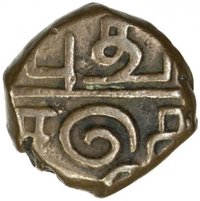
1 Doudou – Karaikal
India
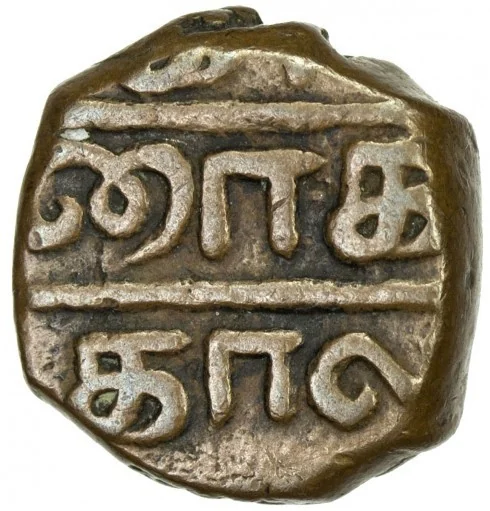
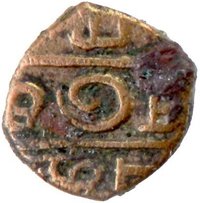
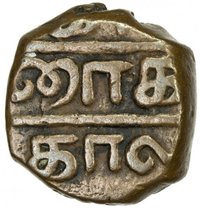
Obverse
Description:
காரைக்கால்
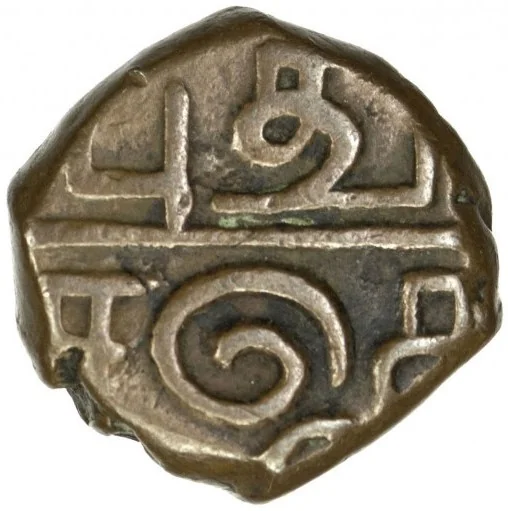
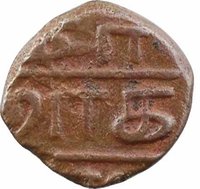
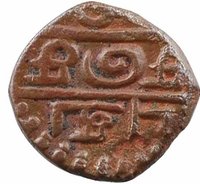
Reverse
Description:
புதுச்சேரி
Edge
Mintings
| Year | Mint Mark | Mintage | Quality | Collection |
|---|---|---|---|---|
| 1740 | — | — |
Historical background
In 1740, Karaikal was a small but strategically significant French colonial enclave on the Coromandel Coast of India, surrounded by the territories of the declining Mughal Empire and rising regional powers. The currency situation was complex and pluralistic, reflecting its position as a trading post. The primary medium of exchange was the French-issued silver écu, used for official Company business and trade with Europe. However, these coins circulated alongside a plethora of other currencies, most notably the Mughal silver rupee and its various local imitations, which dominated regional commerce.
The monetary landscape was further complicated by the widespread use of gold pagodas, a historic South Indian coin that remained a key unit of account for larger transactions and land revenue. Additionally, smaller transactions were conducted using low-value copper coins, like cash or dubbus, often sourced from neighbouring Tamil rulers. This created a multi-tiered system where merchants and administrators constantly dealt with exchange rates and the varying purity of coins, a challenge for the fledgling French administration under Governor Pierre-Benoît Dumas.
Ultimately, the currency situation in Karaikal in 1740 was one of competitive coexistence. No single monetary system held absolute sway. The French colonial authority desired a stable, French-controlled currency to simplify taxation and trade, but economic reality forced them to operate within a deeply entrenched indigenous monetary ecosystem. This hybrid system would persist until the French East India Company gained greater political and economic control later in the century.
The monetary landscape was further complicated by the widespread use of gold pagodas, a historic South Indian coin that remained a key unit of account for larger transactions and land revenue. Additionally, smaller transactions were conducted using low-value copper coins, like cash or dubbus, often sourced from neighbouring Tamil rulers. This created a multi-tiered system where merchants and administrators constantly dealt with exchange rates and the varying purity of coins, a challenge for the fledgling French administration under Governor Pierre-Benoît Dumas.
Ultimately, the currency situation in Karaikal in 1740 was one of competitive coexistence. No single monetary system held absolute sway. The French colonial authority desired a stable, French-controlled currency to simplify taxation and trade, but economic reality forced them to operate within a deeply entrenched indigenous monetary ecosystem. This hybrid system would persist until the French East India Company gained greater political and economic control later in the century.
✨ Legendary