

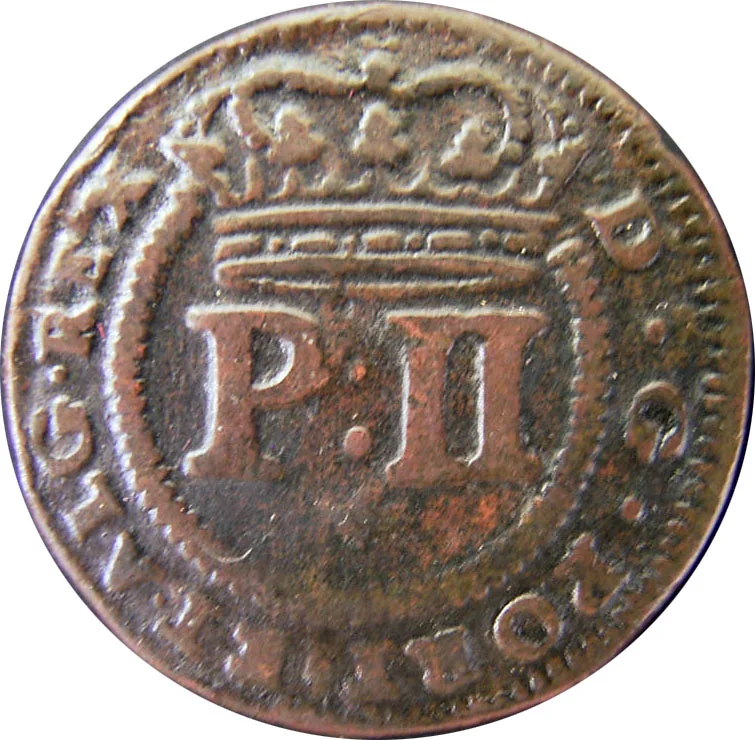
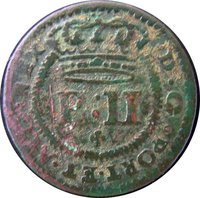
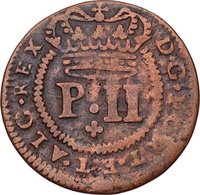
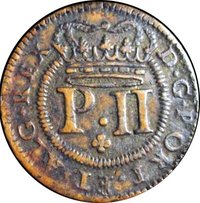
Obverse
Inscription:
P.II
D.G.PORT.ET.ALG.REX
D.G.PORT.ET.ALG.REX
Script: Latin
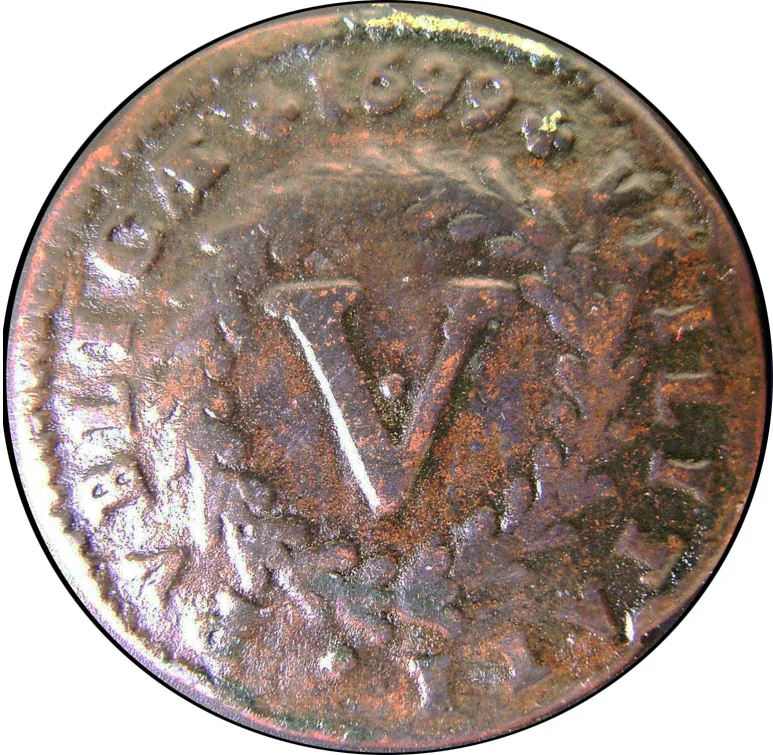
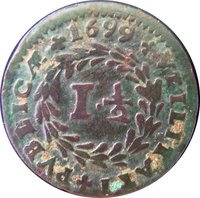
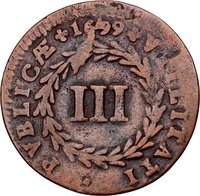
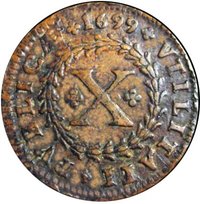
Reverse
Inscription:
VTILITATI PVBLICÆ
1699
1699
Script: Latin
Edge
Plain
Mints
| Name | Mark |
|---|---|
| Imprensa Nacional - Casa da Moeda | — |
Mintings
| Year | Mint Mark | Mintage | Quality | Collection |
|---|---|---|---|---|
| 1699 | — | — | ||
| 1703 | — | — |
Historical background
In 1699, Portugal's currency situation was one of profound instability and debasement, a direct legacy of the costly policies of King Pedro II. For decades, the crown had financed its military campaigns, particularly the War of Spanish Succession, and lavish court expenditures by repeatedly reducing the precious metal content in its coinage. The standard silver coin, the cruzado, had seen its intrinsic value severely eroded through successive official devaluations. This practice filled the royal coffers in the short term but led to rampant inflation, a loss of public confidence in the currency, and severe disruption to both domestic commerce and international trade.
The monetary system was a complex and chaotic patchwork. Alongside the officially debased royal coinage, a vast quantity of older, higher-value Portuguese coins from earlier reigns remained in circulation, as did a multitude of foreign currencies, especially Spanish pieces of eight. This created a multi-tiered system where older coins traded at a significant premium over newer, "light" coins of the same denomination, complicating every transaction. Furthermore, the scarcity of small-denomination coinage (moeda miúda) for everyday use crippled the local economy, causing hardship for common people and hindering market exchange.
Recognizing the crisis, 1699 fell within a period of intense scrutiny and early reform efforts. King Pedro II and his ministers, particularly the Count of Ericeira, were actively seeking solutions. While a major recoinage and stabilization would not be fully enacted until the 1720s under King João V, the groundwork was being laid. The year 1699 thus represents a late point in a long degradation, but also a turning point where the severe economic consequences of currency debasement were pushing the Portuguese monarchy toward the fiscal and monetary reforms that would eventually restore stability.
The monetary system was a complex and chaotic patchwork. Alongside the officially debased royal coinage, a vast quantity of older, higher-value Portuguese coins from earlier reigns remained in circulation, as did a multitude of foreign currencies, especially Spanish pieces of eight. This created a multi-tiered system where older coins traded at a significant premium over newer, "light" coins of the same denomination, complicating every transaction. Furthermore, the scarcity of small-denomination coinage (moeda miúda) for everyday use crippled the local economy, causing hardship for common people and hindering market exchange.
Recognizing the crisis, 1699 fell within a period of intense scrutiny and early reform efforts. King Pedro II and his ministers, particularly the Count of Ericeira, were actively seeking solutions. While a major recoinage and stabilization would not be fully enacted until the 1720s under King João V, the groundwork was being laid. The year 1699 thus represents a late point in a long degradation, but also a turning point where the severe economic consequences of currency debasement were pushing the Portuguese monarchy toward the fiscal and monetary reforms that would eventually restore stability.
Series: 1699 Portugal circulation coins
⭐ Rare