

5 Réis – Portugal
Portugal

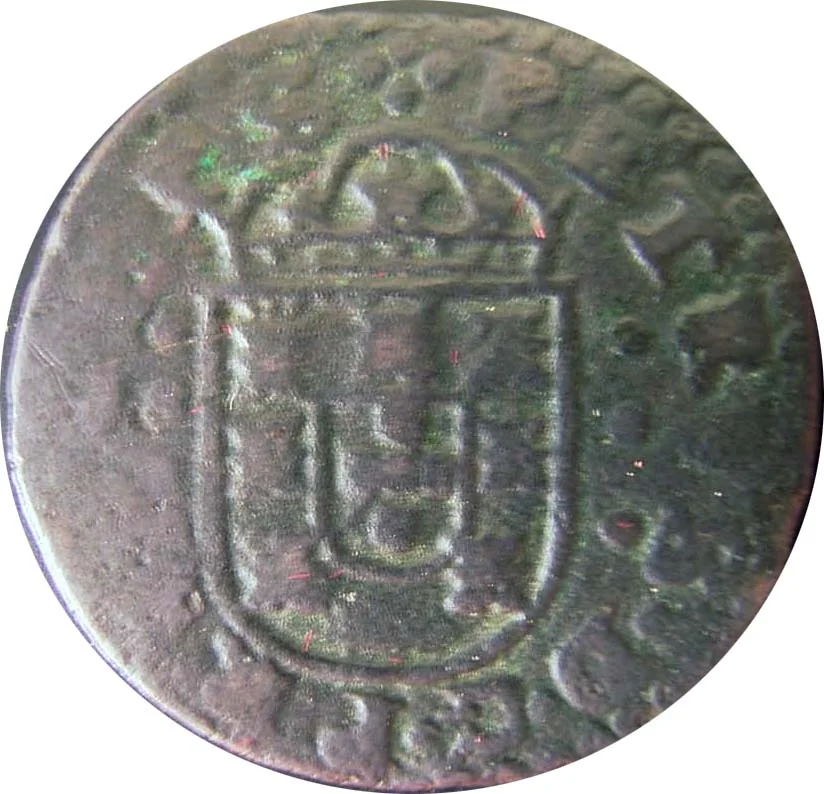
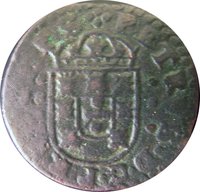
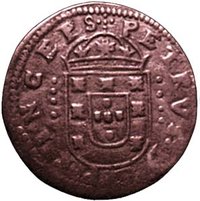
Obverse
Inscription:
PETRVS D G PRINCEPS
Script: Latin
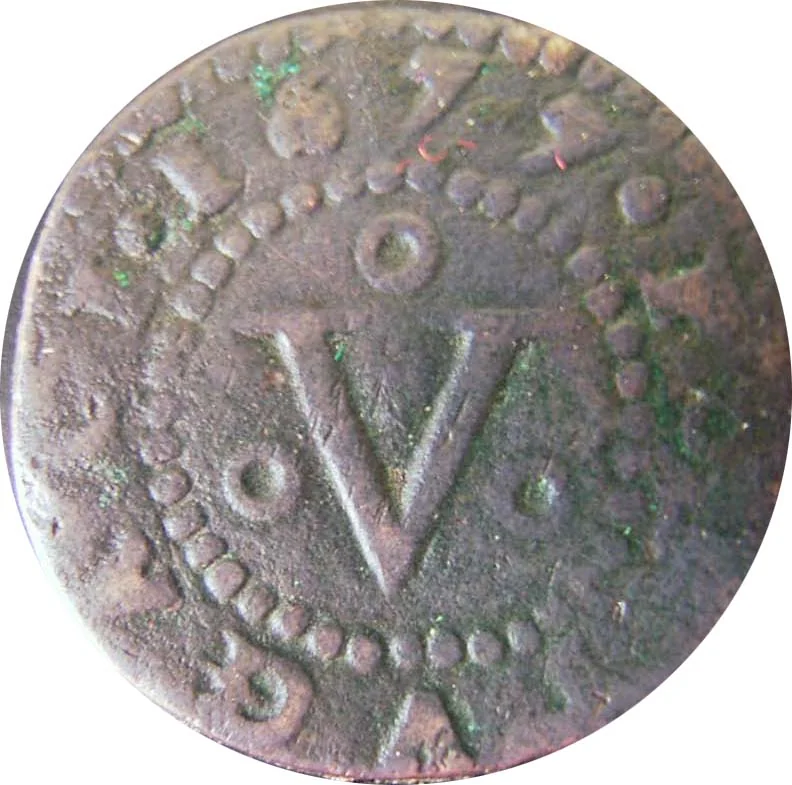
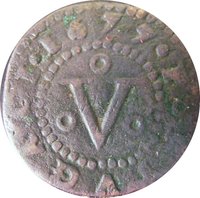
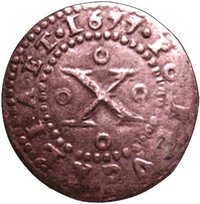
Reverse
Inscription:
*1677* PORTVGALIE*ET
*V*
*V*
Script: Latin
Edge
Mints
| Name | Mark |
|---|---|
| Imprensa Nacional - Casa da Moeda | — |
Mintings
| Year | Mint Mark | Mintage | Quality | Collection |
|---|---|---|---|---|
| 1675 | — | — | ||
| 1676 | — | — | ||
| 1677 | — | — |
Historical background
In 1675, Portugal’s currency system was in a state of profound crisis and transition, a direct legacy of the Restoration War (1640-1668) fought to secure independence from Spain. The protracted conflict had drained the royal treasury, leading to severe debasement of the coinage. Kings John IV and Afonso VI had repeatedly reduced the silver content in coins like the cruzado and tostão to finance the war effort, causing rampant inflation, a loss of public confidence in the currency, and economic instability. This period was marked by a confusing circulation of old, full-value coins, new debased coins, and a multitude of foreign currencies, particularly Spanish pieces of eight, which further complicated trade and public accounting.
The situation was actively being addressed by the ruling regent, Prince Pedro (future King Pedro II), who governed in the name of the mentally incapable Afonso VI. Recognizing that monetary chaos stifled economic recovery and state revenue, Pedro’s government was in the early stages of planning a sweeping reform. The goal was to standardize the monetary system, restore its credibility, and stabilize the kingdom’s finances. This culminated in the major monetary reform of 1688, which was already in conception by 1675. The plan involved calling in all old and debased coins, minting new ones with fixed and reliable precious metal content, and establishing a clearer unit of account.
Thus, 1675 represents a pivotal moment of post-war reckoning. The Portuguese economy was grappling with the damaging effects of past debasements while standing on the cusp of a deliberate, state-driven recovery. The currency situation was a messy and urgent problem, but one that was under the direct scrutiny of a centralizing government preparing to impose order, aiming to restore both the metallic integrity of its coinage and the Crown’s financial authority as foundations for Portugal’s upcoming era of Brazilian gold-fueled prosperity.
The situation was actively being addressed by the ruling regent, Prince Pedro (future King Pedro II), who governed in the name of the mentally incapable Afonso VI. Recognizing that monetary chaos stifled economic recovery and state revenue, Pedro’s government was in the early stages of planning a sweeping reform. The goal was to standardize the monetary system, restore its credibility, and stabilize the kingdom’s finances. This culminated in the major monetary reform of 1688, which was already in conception by 1675. The plan involved calling in all old and debased coins, minting new ones with fixed and reliable precious metal content, and establishing a clearer unit of account.
Thus, 1675 represents a pivotal moment of post-war reckoning. The Portuguese economy was grappling with the damaging effects of past debasements while standing on the cusp of a deliberate, state-driven recovery. The currency situation was a messy and urgent problem, but one that was under the direct scrutiny of a centralizing government preparing to impose order, aiming to restore both the metallic integrity of its coinage and the Crown’s financial authority as foundations for Portugal’s upcoming era of Brazilian gold-fueled prosperity.
💎 Extremely Rare