

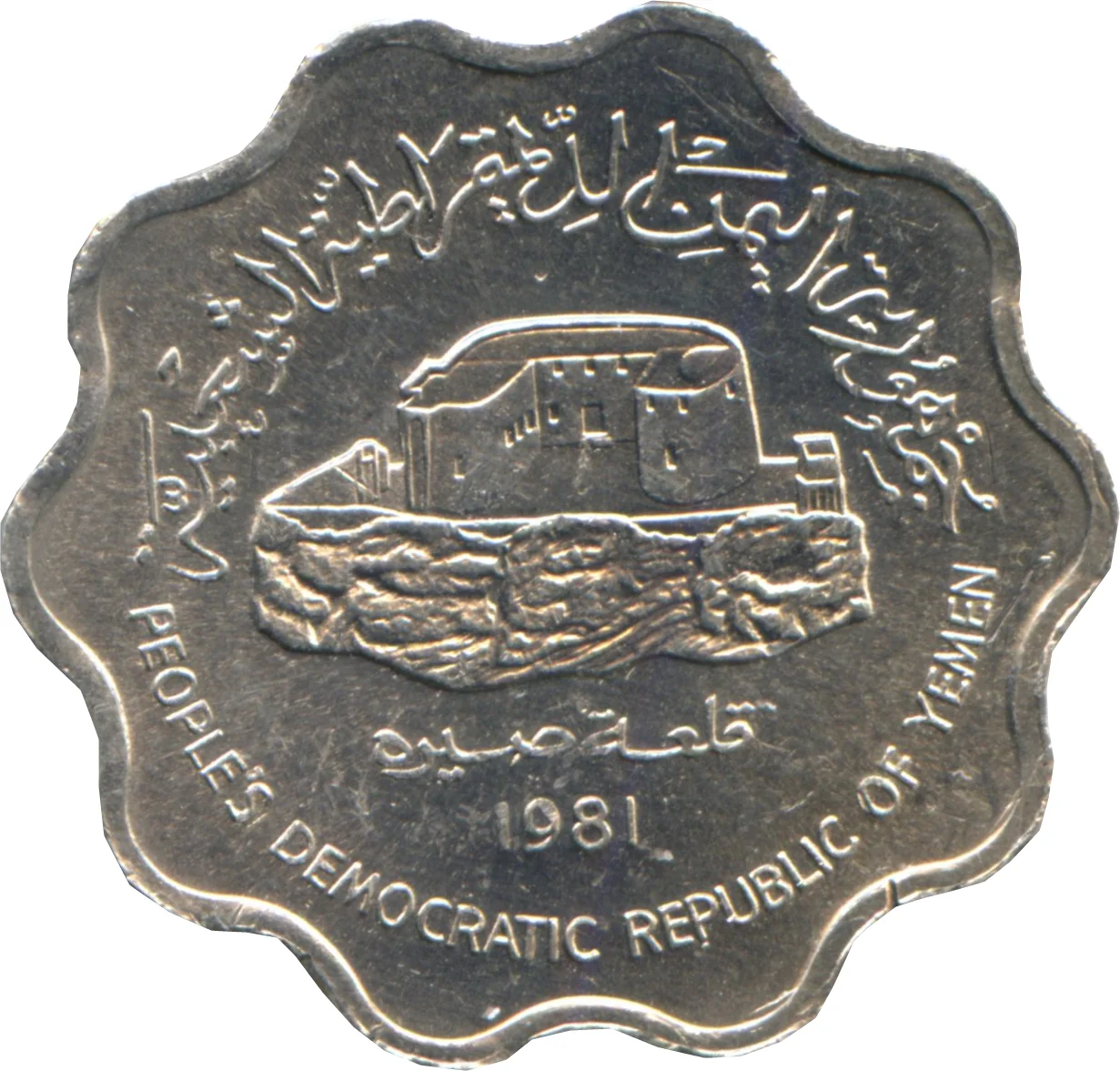
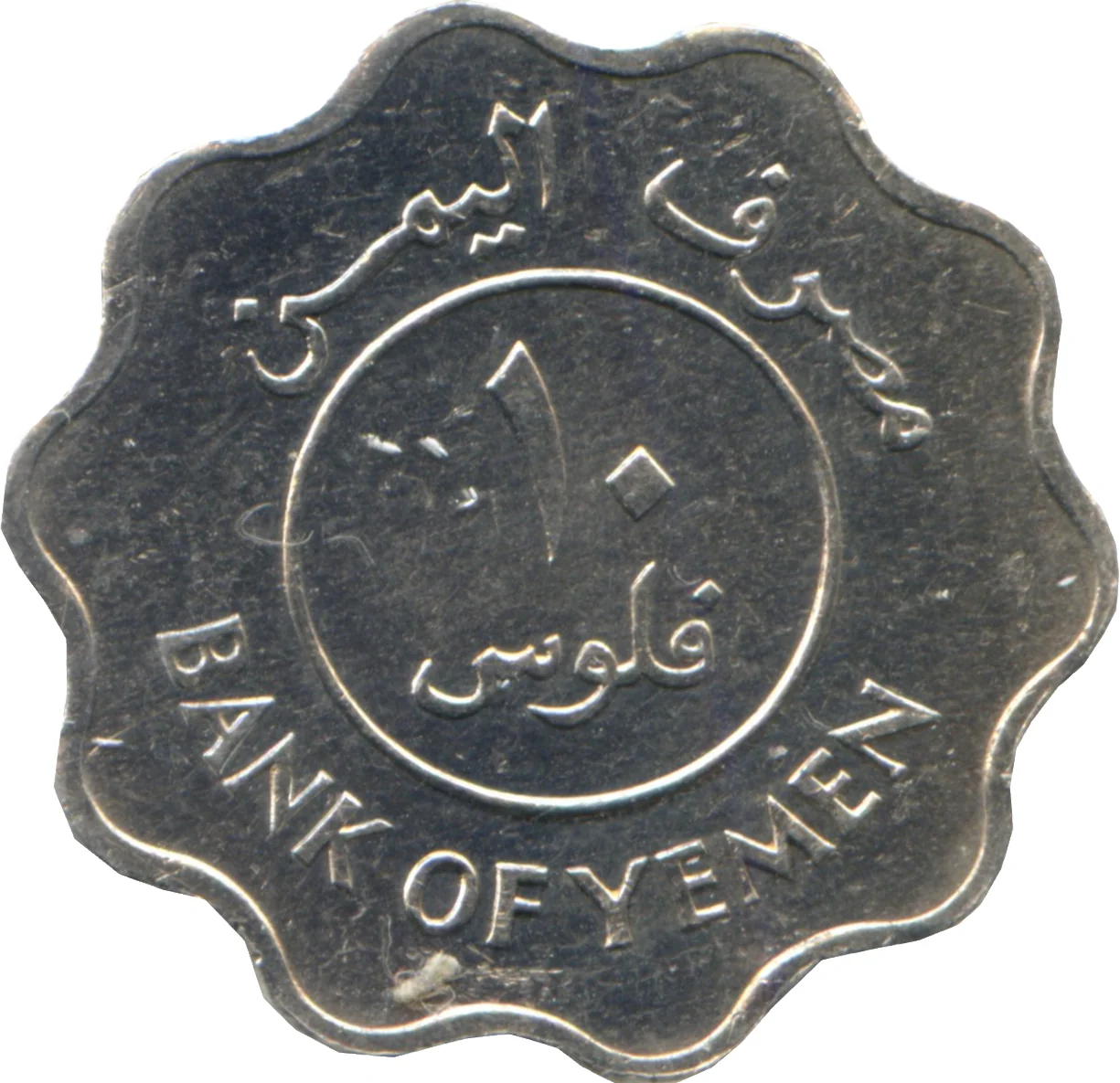
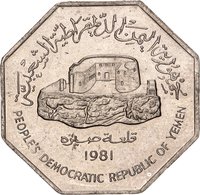
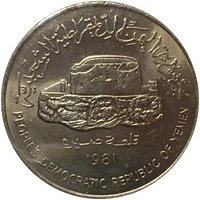
Obverse
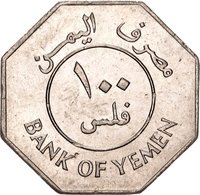
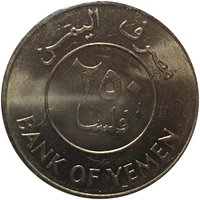
Reverse
Edge
Plain
Categories
| Building> Castle or fortification |
Mints
| Name | Mark |
|---|---|
| Royal Mint | — |
Mintings
| Year | Mint Mark | Mintage | Quality | Collection |
|---|---|---|---|---|
| 1981 | — | — |
Historical background
In 1981, the currency situation in the People's Democratic Republic of Yemen (PDRY, or South Yemen) was characterized by the exclusive use of the South Yemeni Dinar (YDD). This currency, introduced in 1965 to replace the Gulf rupee, was a symbol of the state's economic sovereignty and its socialist-oriented policies. It was a non-convertible currency, with its value and exchange tightly controlled by the central bank, the Bank of Yemen. The dinar was pegged to a basket of currencies, but in practice, its official exchange rate was set by the government and did not reflect market realities, leading to a significant disparity with the black-market rate, especially for transactions involving hard currencies like the US dollar or British pound.
The economy of the PDRY was severely constrained in this period, reliant on declining British subsidies, remittances from workers abroad, and modest oil exploration that had not yet yielded significant exports. Chronic trade deficits and a lack of foreign exchange reserves placed immense pressure on the currency system. The government's rigid price controls and state ownership of most major industries further distorted the economy, creating shortages of consumer goods and fostering a reliance on imports, which in turn exacerbated the foreign currency shortage. Consequently, access to hard currency for international trade was strictly rationed by the state.
This restrictive monetary environment was a direct reflection of the PDRY's political alignment as the only Marxist-Leninist state in the Arab world. Economic policy, including currency management, was centrally planned and aimed at self-sufficiency, though it resulted in isolation from the global financial system. The currency situation in 1981 thus encapsulated the broader economic struggles of the state: superficially stable under government decree, but fundamentally fragile, illiquid, and propped up by controls that masked deeper structural weaknesses, which would persist until unification with North Yemen in 1990.
The economy of the PDRY was severely constrained in this period, reliant on declining British subsidies, remittances from workers abroad, and modest oil exploration that had not yet yielded significant exports. Chronic trade deficits and a lack of foreign exchange reserves placed immense pressure on the currency system. The government's rigid price controls and state ownership of most major industries further distorted the economy, creating shortages of consumer goods and fostering a reliance on imports, which in turn exacerbated the foreign currency shortage. Consequently, access to hard currency for international trade was strictly rationed by the state.
This restrictive monetary environment was a direct reflection of the PDRY's political alignment as the only Marxist-Leninist state in the Arab world. Economic policy, including currency management, was centrally planned and aimed at self-sufficiency, though it resulted in isolation from the global financial system. The currency situation in 1981 thus encapsulated the broader economic struggles of the state: superficially stable under government decree, but fundamentally fragile, illiquid, and propped up by controls that masked deeper structural weaknesses, which would persist until unification with North Yemen in 1990.
🌱 Common