

1 ducat – Denmark
Add to wishlist
Denmark
Context
References
KM: #
Numista: #344400
Value
Bullion value: $524.54
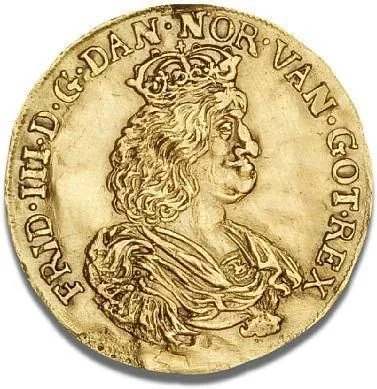
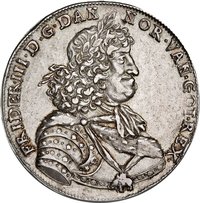
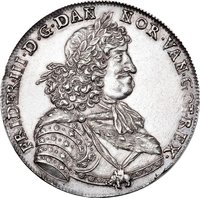
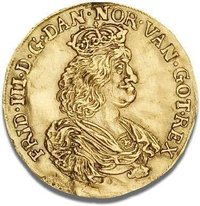
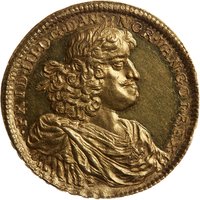
Obverse
Description:
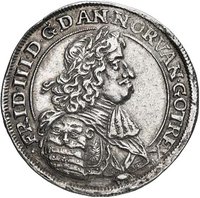
Frederik III crowned, facing right.
Inscription:
FRID. III. D. G. DAN. NOR. VAN. GOT. REX
Script: Latin
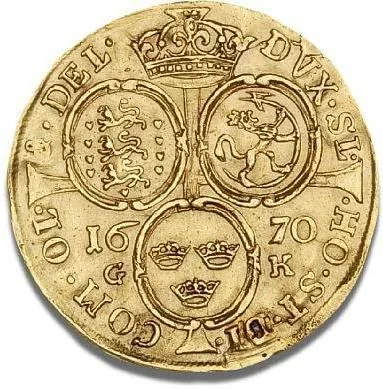
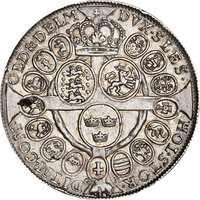
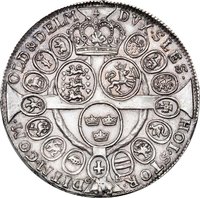
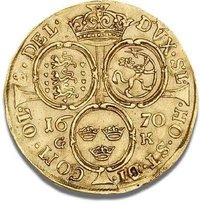
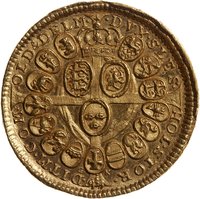
Reverse
Description:
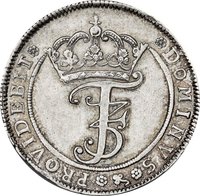
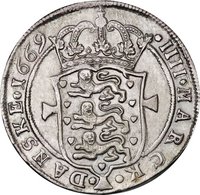
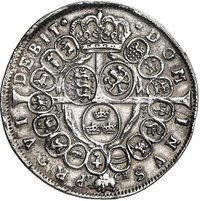
Crown over three arms, date flanking lower shield.
Inscription:
DVX SL HO ST DI COM OL & DEL
16 70
G K
16 70
G K
Script: Latin
Edge
Mints
| Name | Mark |
|---|---|
| Royal Danish Mint | GK |
Historical background
In 1669, Denmark operated under a bimetallic monetary system, a legacy that was both complex and unstable. The official currency was based on the rigsdaler, a large silver coin, but the system was complicated by the parallel circulation of numerous older and foreign coins, each with fluctuating values. Furthermore, the state had long engaged in the practice of debasement—reducing the silver content in coins while maintaining their face value—to generate short-term revenue, which eroded public trust in the currency and caused chronic inflation. This created a chaotic marketplace where the actual value of a coin depended more on its weight and metal content than its stamped denomination.
The situation was exacerbated by the financial aftermath of the Dano-Swedish War (1657-1660), which had left the Danish crown deeply in debt and its economy weakened. To manage this, King Frederick III, who had established absolute monarchy in 1660, and his government continued to manipulate the currency. The year 1669 fell within a period of ongoing monetary experimentation and crisis management, as the state struggled to balance its books, fund its operations, and maintain a functioning medium of exchange for trade. The Copenhagen Bank (Københavns Bank), established in 1736, did not yet exist, so there was no central institution to regulate the money supply or provide stability.
Consequently, daily economic life for merchants and the populace was fraught with difficulty. Transactions required careful weighing and assaying of coins, and prices were often negotiated based on the perceived quality of the payment offered. This monetary confusion hindered both domestic commerce and international trade. The persistent problems of this era would eventually lead to more comprehensive reforms in the following century, but in 1669, Denmark's currency remained a fragmented and unreliable tool, reflecting the broader fiscal strains of the new absolute monarchy.
The situation was exacerbated by the financial aftermath of the Dano-Swedish War (1657-1660), which had left the Danish crown deeply in debt and its economy weakened. To manage this, King Frederick III, who had established absolute monarchy in 1660, and his government continued to manipulate the currency. The year 1669 fell within a period of ongoing monetary experimentation and crisis management, as the state struggled to balance its books, fund its operations, and maintain a functioning medium of exchange for trade. The Copenhagen Bank (Københavns Bank), established in 1736, did not yet exist, so there was no central institution to regulate the money supply or provide stability.
Consequently, daily economic life for merchants and the populace was fraught with difficulty. Transactions required careful weighing and assaying of coins, and prices were often negotiated based on the perceived quality of the payment offered. This monetary confusion hindered both domestic commerce and international trade. The persistent problems of this era would eventually lead to more comprehensive reforms in the following century, but in 1669, Denmark's currency remained a fragmented and unreliable tool, reflecting the broader fiscal strains of the new absolute monarchy.
Series: 1669 Denmark circulation coins
✨ Legendary