

1 Ducat – Denmark
Denmark
Context

References
KM: #Click to copy to clipboard374.2
Numista: #343948
Value
Bullion value: $570.82
Obverse
Description:
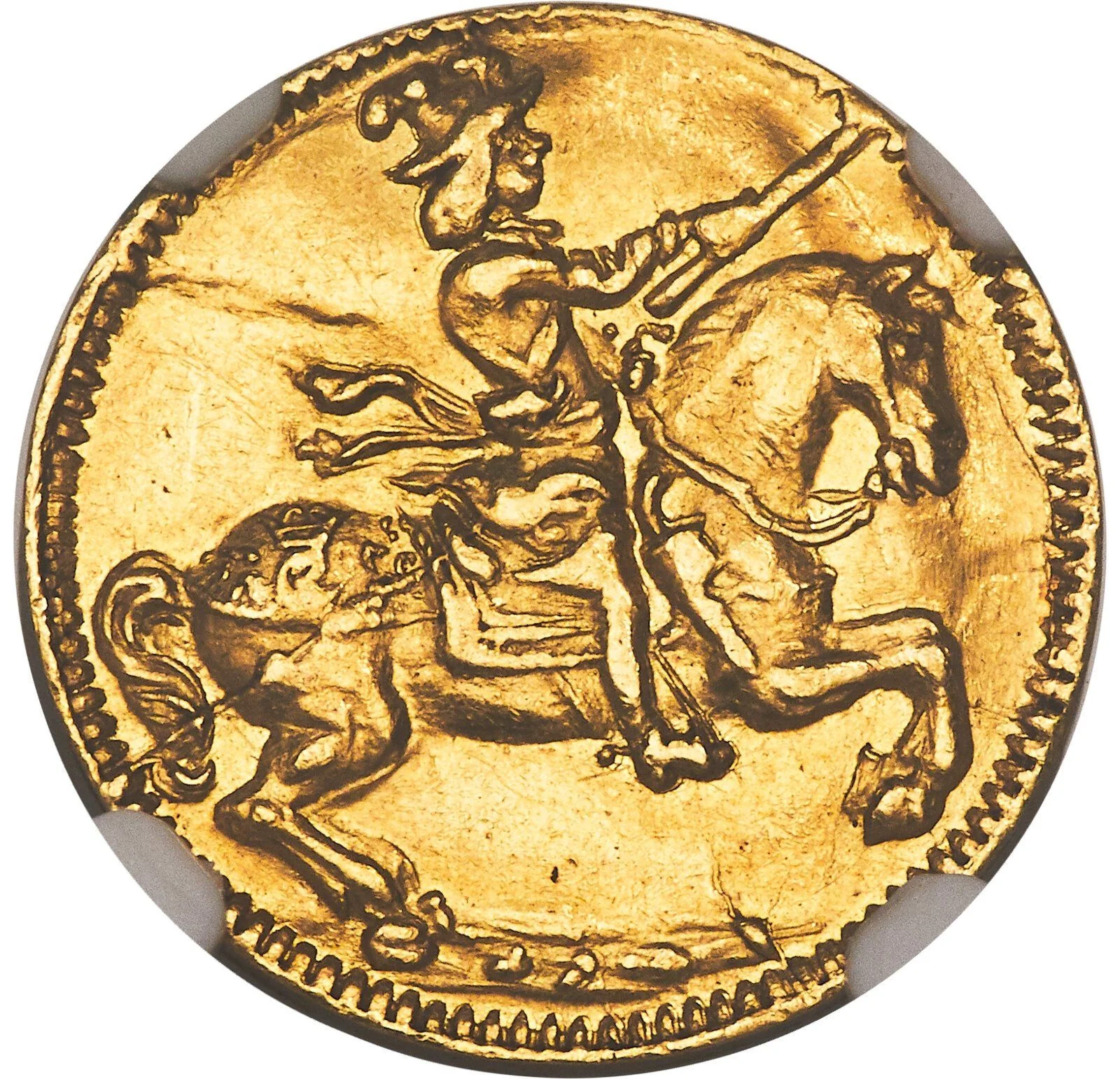
Christian V on horseback, baton extended.
Reverse
Description:
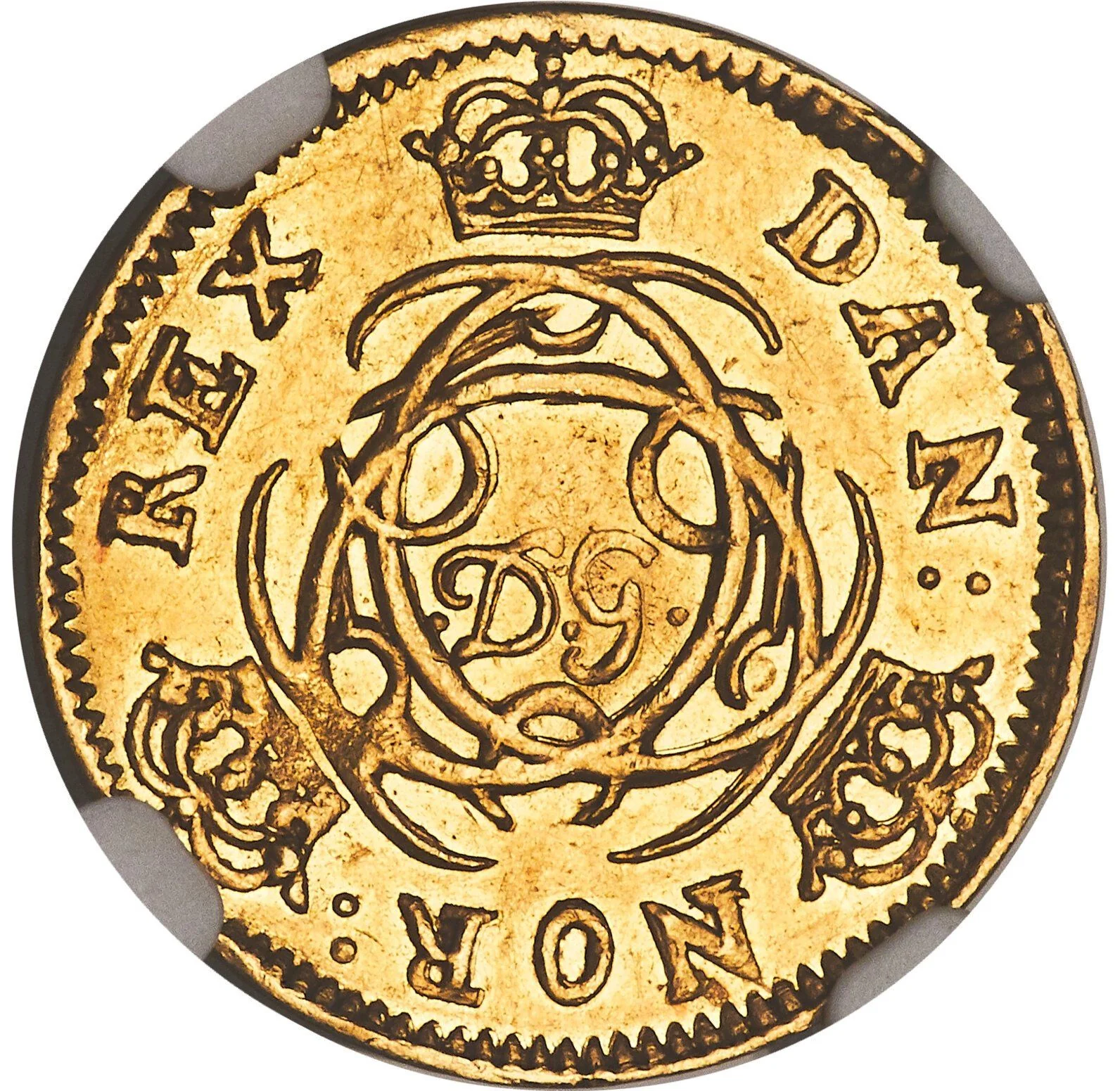
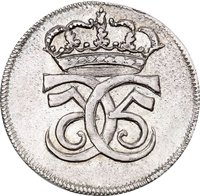
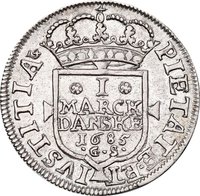
Entwined triple-crowned C5 monograms.
Inscription:
REX DAN: NOR:
D.G.
D.G.
Scripts: Latin, Latin (cursive)
Edge
Mints
| Name | Mark |
|---|---|
| Copenhagen | — |
Mintings
| Year | Mint Mark | Mintage | Quality | Collection |
|---|---|---|---|---|
| 1685 | — | — |
Historical background
In 1685, Denmark operated under a bimetallic monetary system, a legacy of the 1625 Kurantordningen (Currency Regulation). This system officially valued silver coins (kurantmønter) and gold coins in a fixed ratio, with the silver rigsdaler as the primary unit of account for large transactions, trade, and state finances. However, the reality was a chronically unstable and complex currency environment. Decades of war, economic strain, and debasement had led to a proliferation of different coin types in circulation, including older, clipped, and worn coins, alongside various foreign currencies, all with fluctuating real values against the official standard.
The practical day-to-day currency for most Danes was the skilling, a small copper coin. Denmark had heavily utilized copper money earlier in the century, and these coins remained vital for local trade and wages. The state's fiscal struggles often led to the minting of inferior billon coins (coins made from base metal with a small silver content) to generate seigniorage revenue. This practice, combined with the global phenomenon of gold and silver market values diverging from the official mint ratio, led to Gresham's Law in action: "good" full-value coins were hoarded or exported, while "bad" debased coins flooded circulation, frustrating commerce and eroding public trust.
King Christian V's reign (1670-1699) was marked by attempts to reform and stabilize this messy situation. The year 1685 itself fell within a period of relative peace following the Scanian War, allowing for administrative focus on domestic issues. While a major monetary reform would not be enacted until the great Højskatteforordning (High Tax Ordinance) of 1695, the groundwork was being laid. The state increasingly aimed to centralize control over minting, suppress the circulation of foreign and defective coins, and reassert the authority of the silver rigsdaler as a stable benchmark, setting the stage for the more definitive, if not entirely successful, reforms of the following decade.
The practical day-to-day currency for most Danes was the skilling, a small copper coin. Denmark had heavily utilized copper money earlier in the century, and these coins remained vital for local trade and wages. The state's fiscal struggles often led to the minting of inferior billon coins (coins made from base metal with a small silver content) to generate seigniorage revenue. This practice, combined with the global phenomenon of gold and silver market values diverging from the official mint ratio, led to Gresham's Law in action: "good" full-value coins were hoarded or exported, while "bad" debased coins flooded circulation, frustrating commerce and eroding public trust.
King Christian V's reign (1670-1699) was marked by attempts to reform and stabilize this messy situation. The year 1685 itself fell within a period of relative peace following the Scanian War, allowing for administrative focus on domestic issues. While a major monetary reform would not be enacted until the great Højskatteforordning (High Tax Ordinance) of 1695, the groundwork was being laid. The state increasingly aimed to centralize control over minting, suppress the circulation of foreign and defective coins, and reassert the authority of the silver rigsdaler as a stable benchmark, setting the stage for the more definitive, if not entirely successful, reforms of the following decade.
✨ Legendary