Logo Title
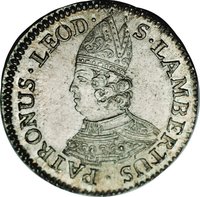
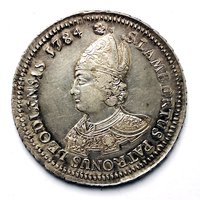
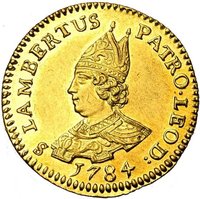
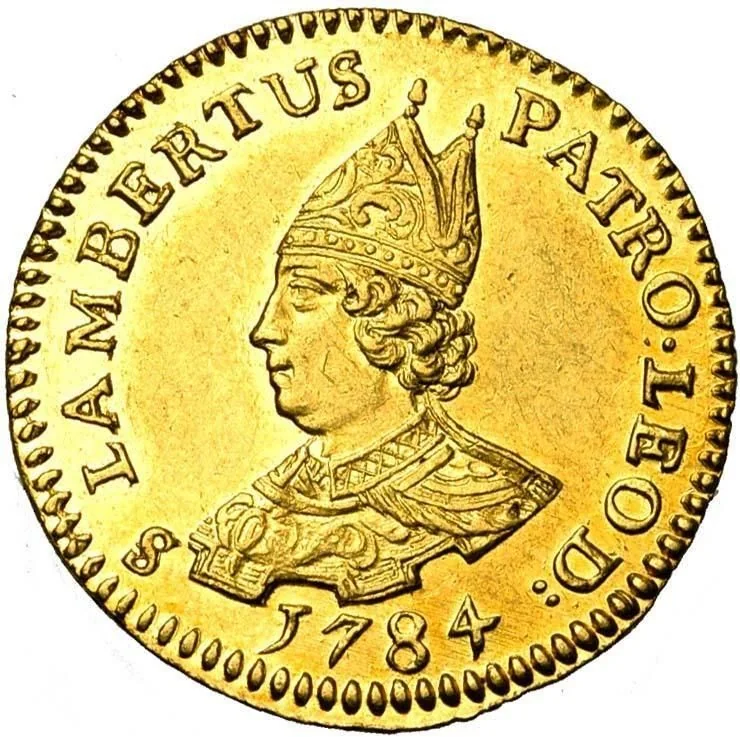
obverse
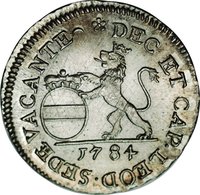
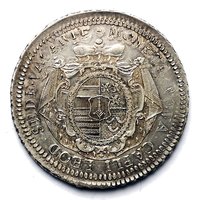
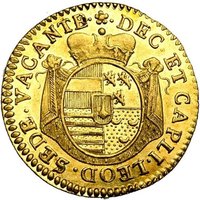
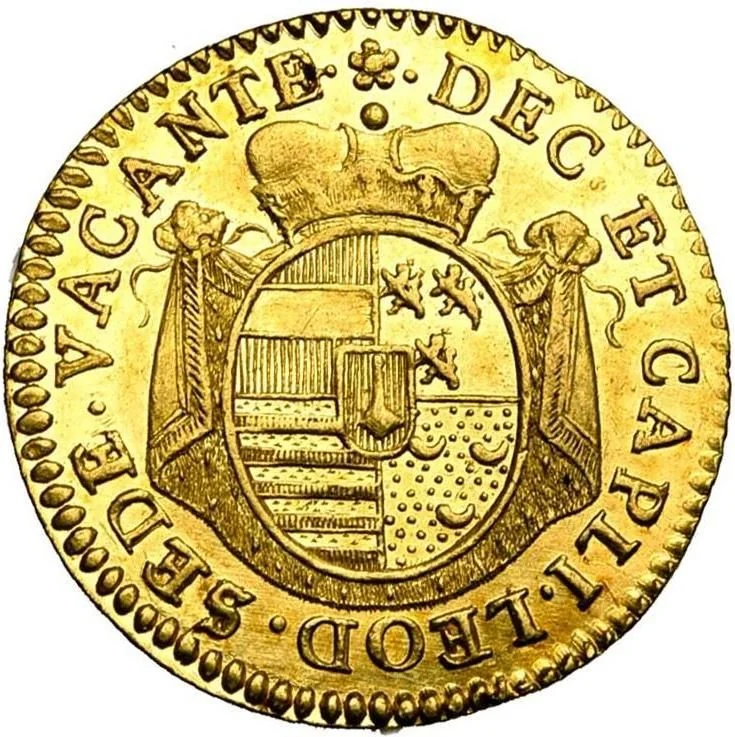
reverse
Jean Elsen & ses Fils s.a.
Context
Year: 1784
Country: Belgium Country flag
Period:
(1723—1724)
Currency:
(1650—1795)
Demonetized: Yes
Total mintage: 150
Material
Weight: 3.5 g
Gold weight: 3.45 g
Shape: Round
Composition: 98.6% Gold
Magnetic: No
Technique: Milled
References
KM: #Click to copy to clipboard177
Numista: #340334
Value
Bullion value: $573.76

Obverse

Description:
St. Lambert bust, facing left.
Inscription:
S LAMBERTUS PATRO • LEOD :

1784
Script: Latin

Reverse

Description:
Crowned, mantled fivefold arms.
Inscription:
• DEC • ET • CAPLI • LEOD • SEDE • VACANTE • *
Script: Latin

Edge

Mintings

YearMint MarkMintageQualityCollection
1784150

Historical background

In 1784, the Prince-Bishopric of Liège was grappling with a severe and multifaceted monetary crisis, a direct consequence of decades of fiscal mismanagement and external economic pressures. The state treasury was deeply in debt, forcing the government to repeatedly debase its own coinage. By issuing liard and patard coins with progressively lower silver content but the same face value, the authorities sought to generate seigniorage profit to fund their expenditures. This practice, however, eroded public trust and flooded the market with unstable, poor-quality currency.

The situation was critically exacerbated by the circulation of vast quantities of foreign and counterfeit coins within the bishopric's borders. Neighboring states, particularly the Austrian Netherlands and the Dutch Republic, also engaged in competitive devaluations, leading to a chaotic mix of currencies of varying intrinsic values. This "bad money" drove out the "good," as remaining full-weight coins were hoarded or exported, leaving everyday commerce dependent on unreliable and inflated specie. Prices became unstable, and the populace, especially the poor who dealt in small coinage, suffered from a hidden inflation tax.

This monetary instability fueled deep-seated social and political discontent, becoming a focal point for broader grievances against the conservative and financially irresponsible Ancien Régime government of Prince-Bishop César-Constantin-François de Hoensbroeck. The crisis undermined economic confidence, harmed trade, and alienated both the merchant class and the working poor. It created a tinderbox of resentment that would, within five years, contribute directly to the outbreak of the Liège Revolution in 1789, which briefly overthrew the prince-episcopal authority in parallel with the larger Brabant Revolution in the neighbouring Austrian Netherlands.

Series: 1784 Prince-bishopric of Liege circulation coins

1 Escalin obverse
1 Escalin reverse
1 Escalin
1784
1 Ecu obverse
1 Ecu reverse
1 Ecu
1784
1 Ducat obverse
1 Ducat reverse
1 Ducat
1784
Legendary