

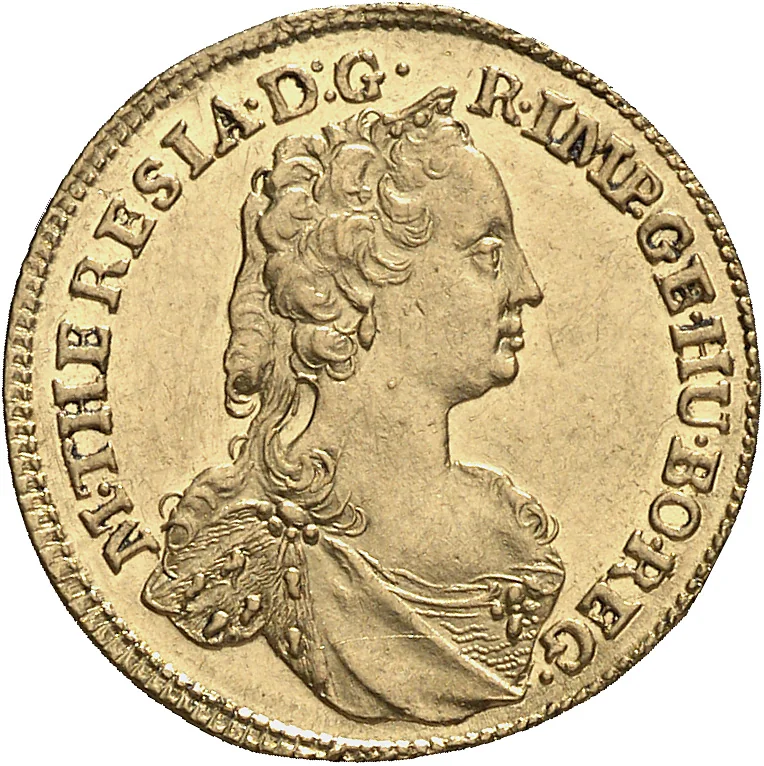
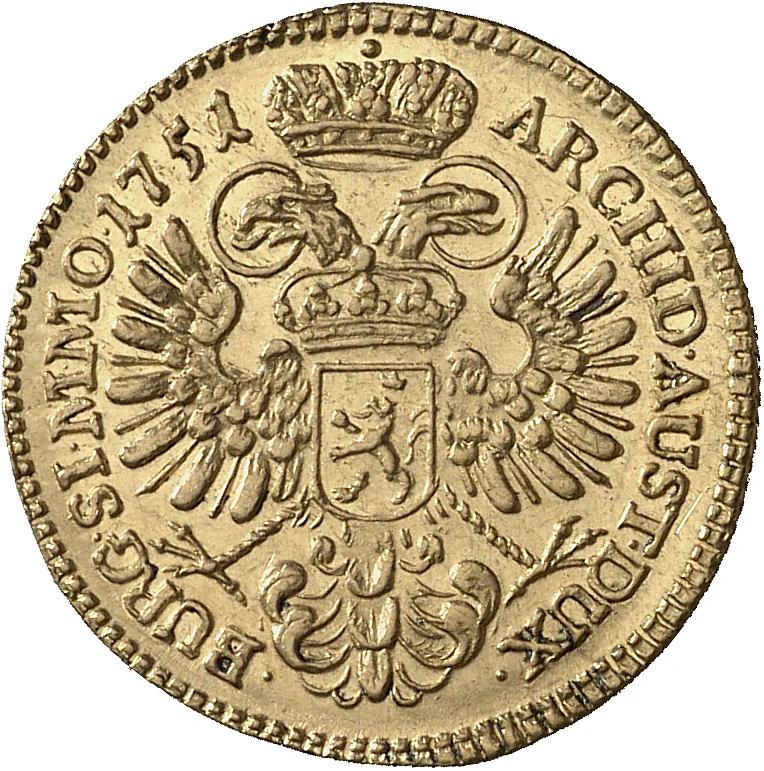
1 Ducat – Kingdom of Bohemia
Context
Years: 1747–1765
Country: Bohemia
Issuer: Kingdom of Bohemia
Ruler: Maria Theresa
Currency:
(1754—1857)
Demonetized: Yes
Material
References
KM: #Click to copy to clipboard756
Numista: #33776
Value
Bullion value: $574.47
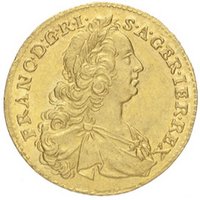
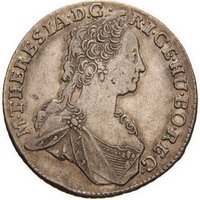
Obverse
Inscription:
M·THERESIA·D·G· R·IMP·GE·HU·BO·REG·
Script: Latin
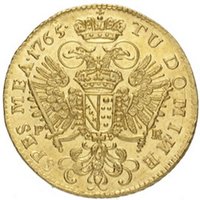
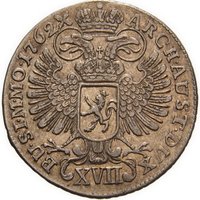
Reverse
Inscription:
ARCHID·AUST·DUX· ·BURG·SI·M MO· 1751
Script: Latin
Edge
Mints
| Name | Mark |
|---|---|
| Prague | — |
Mintings
| Year | Mint Mark | Mintage | Quality | Collection |
|---|---|---|---|---|
| 1747 | — | — | ||
| 1748 | — | — | ||
| 1749 | — | — | ||
| 1750 | — | — | ||
| 1751 | — | — | ||
| 1752 | — | — | ||
| 1753 | — | — | ||
| 1754 | — | — | ||
| 1755 | — | — | ||
| 1756 | — | — | ||
| 1757 | — | — | ||
| 1758 | — | — | ||
| 1759 | — | — | ||
| 1760 | — | — | ||
| 1761 | — | — | ||
| 1764 | — | — | ||
| 1765 | — | — |
Historical background
In 1747, the Kingdom of Bohemia, a core crown land of the Habsburg Monarchy, was grappling with the severe economic and monetary consequences of the recent War of the Austrian Succession (1740-1748). The conflict had placed an enormous fiscal strain on the Habsburg treasury, leading to the deliberate debasement of the coinage. The state, in need of precious metal to fund the war effort, reduced the silver content in minted coins while maintaining their face value, a practice that generated short-term revenue but triggered inflation and a loss of public confidence in the currency.
The monetary landscape was complex and fragmented. While the official currency was based on the Conventionsthaler (Reichsthaler) and Kreuzer, the reality in circulation was a chaotic mix of older, higher-quality coins, new debased coins, and various foreign currencies. This situation led to Gresham's Law in practice, where "bad money drives out good." People hoarded the older, full-weight silver coins, conducting daily transactions with the inferior new mintings or resorting to barter in some local markets, further disrupting commerce and tax collection within the kingdom.
Recognizing the crisis, the Habsburg authorities under Empress Maria Theresa had already begun planning a major monetary reform, which would culminate in the pivotal Currency Patent of 1750. Therefore, the situation in 1747 was one of the final, turbulent chapters of an unsustainable system. It was a transitional period marked by economic strain and monetary disorder, directly setting the stage for the comprehensive and standardized coinage system that would bring much-needed stability to Bohemia and the entire Habsburg lands in the following decade.
The monetary landscape was complex and fragmented. While the official currency was based on the Conventionsthaler (Reichsthaler) and Kreuzer, the reality in circulation was a chaotic mix of older, higher-quality coins, new debased coins, and various foreign currencies. This situation led to Gresham's Law in practice, where "bad money drives out good." People hoarded the older, full-weight silver coins, conducting daily transactions with the inferior new mintings or resorting to barter in some local markets, further disrupting commerce and tax collection within the kingdom.
Recognizing the crisis, the Habsburg authorities under Empress Maria Theresa had already begun planning a major monetary reform, which would culminate in the pivotal Currency Patent of 1750. Therefore, the situation in 1747 was one of the final, turbulent chapters of an unsustainable system. It was a transitional period marked by economic strain and monetary disorder, directly setting the stage for the comprehensive and standardized coinage system that would bring much-needed stability to Bohemia and the entire Habsburg lands in the following decade.
✨ Legendary