

1 quarto – Philippines
Add to wishlist
Philippines
Context
Years: 1798–1800
Issuer: Philippines
Ruler: Charles IV
Currency:
(1700—1857)
Subdivision: 1 quarto = ¼ Real
Demonetized: Yes
Material
Diameter: 20.5 mm
Weight: 3.15 g
Shape: Round
Composition: Copper
Standard: Gold tenth ounce
Magnetic: No
Technique: Milled
References
KM: #
Numista: #336585
Obverse
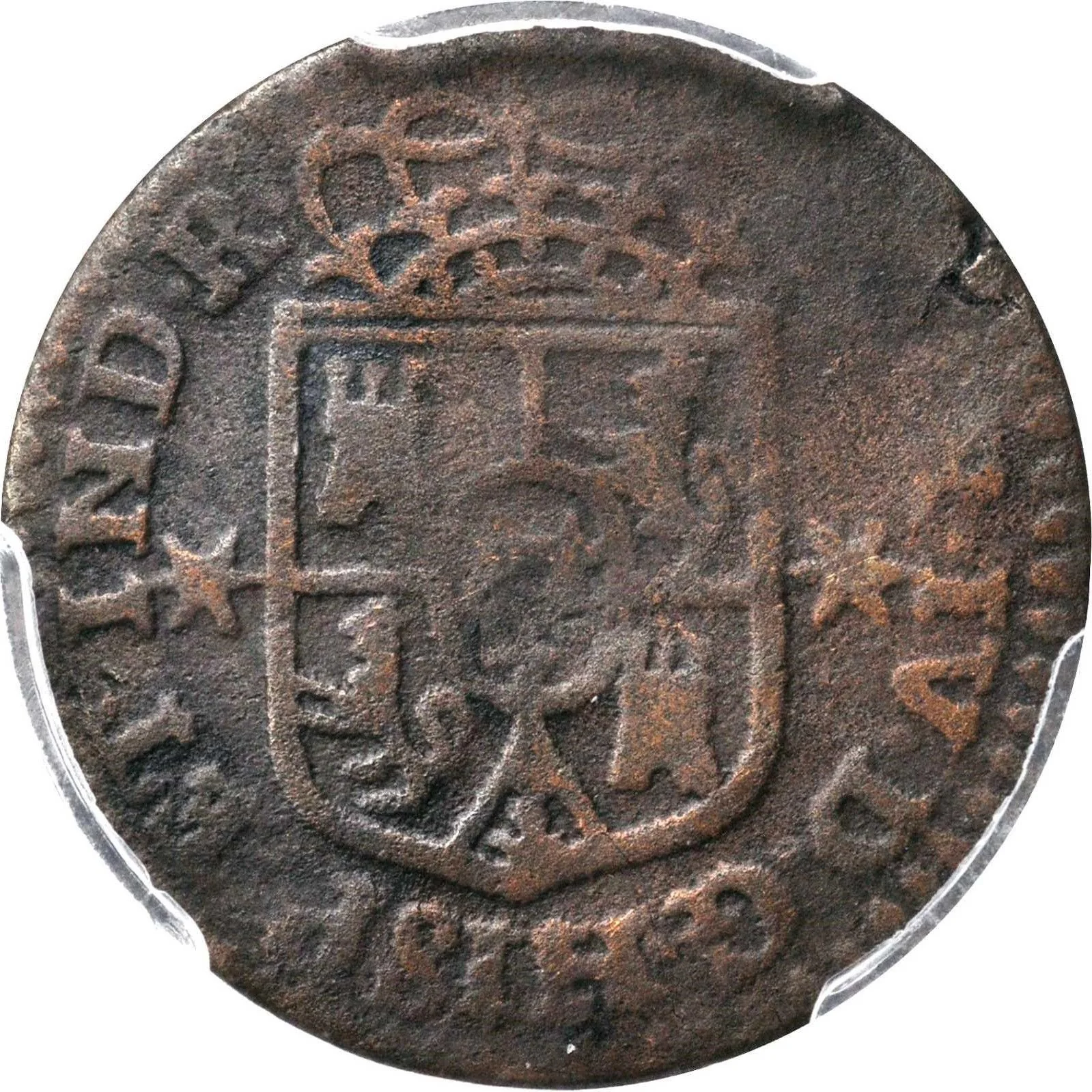
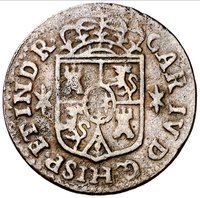
Description:
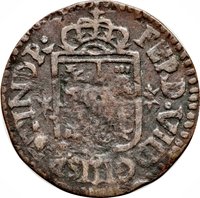
Spanish coat of arms crowned, flanked by stars.
Inscription:
CAR · IV D · G · HISP · ET IND · R ·
Script: Latin
Reverse
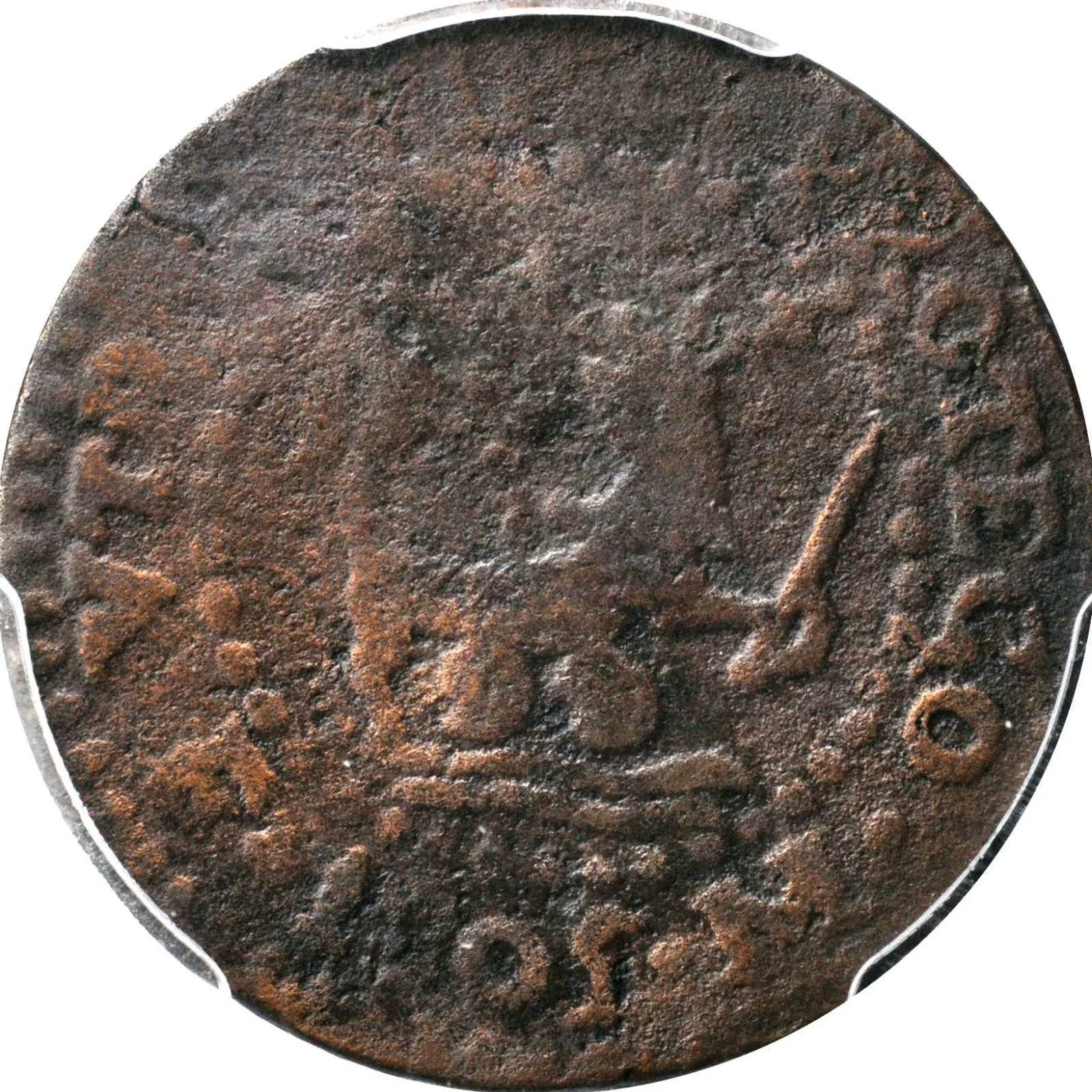
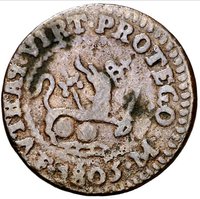
Description:
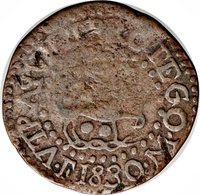
Crowned lion guarding two globes, waves below, within beaded circle.
Inscription:
VTRUMQ · VIRT · PROTEGO · F · 1799 · M
Script: Latin
Edge
Categories
| Animal> Feline |
| Symbols> Coat of Arms |
Mints
| Name | Mark |
|---|---|
| Manila | M |
Historical background
In 1798, the Philippines operated under a complex and strained monetary system as a colony of the Spanish Empire. The official currency was the Spanish silver peso, often called the "peso fuerte" or strong peso, which was part of the global Spanish dollar system. However, the chronic shortage of official coinage was a severe and persistent problem. The Manila-Acapulco Galleon Trade, while historically significant, was irregular and could not supply sufficient specie for the local economy, leading to widespread use of alternative and often inferior mediums of exchange.
To fill the void, a plethora of currencies circulated simultaneously. These included Mexican and Peruvian coins that arrived via trade, often worn or clipped, as well as a large volume of low-denomination copper coins called cuartos and barrillas. Most notably, the Spanish government had authorized the minting of crude copper coins at the Manila mint (established in 1728) specifically for local use. These were often overvalued by decree, leading to inflation and public distrust. Furthermore, in remote areas, barter and even gold dust or nuggets continued to be used as practical means of trade.
The monetary chaos of 1798 was a direct reflection of colonial mismanagement and the isolation of the islands from Spain's core fiscal policies. The inadequate supply of sound money stifled commerce and complicated government transactions. This unstable environment, characterized by a mix of undervalued silver, overvalued copper, and various foreign coins, would persist and contribute to economic difficulties well into the 19th century, setting the stage for future monetary reforms and eventual banknote issuance.
To fill the void, a plethora of currencies circulated simultaneously. These included Mexican and Peruvian coins that arrived via trade, often worn or clipped, as well as a large volume of low-denomination copper coins called cuartos and barrillas. Most notably, the Spanish government had authorized the minting of crude copper coins at the Manila mint (established in 1728) specifically for local use. These were often overvalued by decree, leading to inflation and public distrust. Furthermore, in remote areas, barter and even gold dust or nuggets continued to be used as practical means of trade.
The monetary chaos of 1798 was a direct reflection of colonial mismanagement and the isolation of the islands from Spain's core fiscal policies. The inadequate supply of sound money stifled commerce and complicated government transactions. This unstable environment, characterized by a mix of undervalued silver, overvalued copper, and various foreign coins, would persist and contribute to economic difficulties well into the 19th century, setting the stage for future monetary reforms and eventual banknote issuance.
✨ Legendary