

½ Groat – England
United Kingdom
Context
Years: 1601–1602
Country: United Kingdom 
Issuer: England 
Ruler: Elizabeth I
Currency:
(1158—1970)
Demonetized: Yes
Material
Diameter: 17 mm
Weight: 1 g
Silver weight: 0.93 g
Shape: Irregular round
Composition: 92.5% Silver
Magnetic: No
Technique: Hammered
References
KM: #Click to copy to clipboard3
Numista: #334467
Value
Bullion value: $2.60
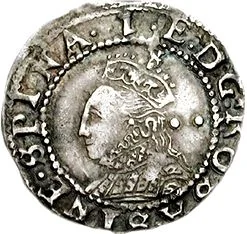
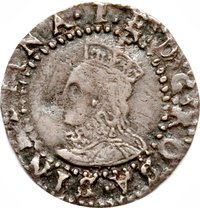
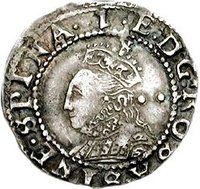
Obverse
Description:
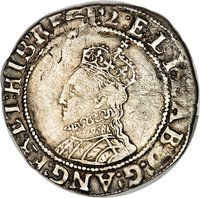
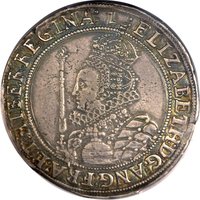
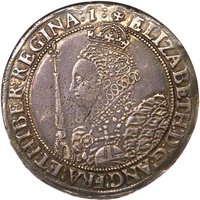
Crowned left-facing bust with two pellets behind, within a beaded circle; legend surrounds. Mintmark at 12 o'clock.
Inscription:
[mm] · E.' D.' G.' ROSA · SINE · SPINA ·
Script: Latin
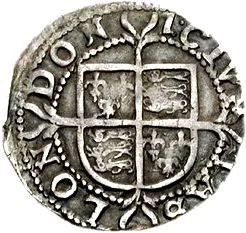
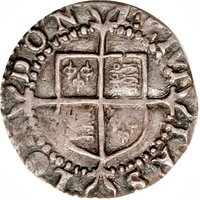
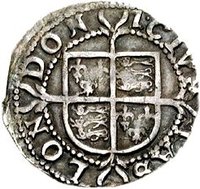
Reverse
Description:
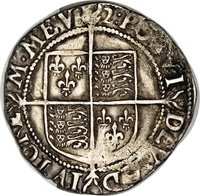
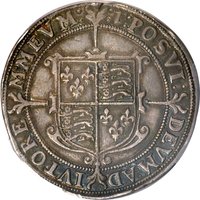
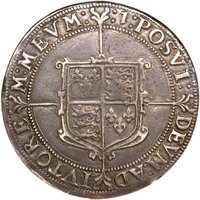
Quartered shield over cross within beaded circle, surrounded by legend.
Inscription:
[mm]·CIVITAS LONDON
Script: Latin
Edge
Mintings
| Year | Mint Mark | Mintage | Quality | Collection |
|---|---|---|---|---|
| — | — | — | ||
| 1602 | — | — |
Historical background
In 1601, England operated under a bimetallic monetary system based on silver and gold, but the currency was in a state of significant strain. The official coin of the realm, the silver penny, had been repeatedly debased in the preceding centuries, but the more pressing issue was the physical deterioration of the coinage in circulation. Through decades of wear, clipping (shaving metal from the edges), and counterfeiting, the actual silver content of many coins had fallen well below their face value. This created a crisis of confidence, as people hoarded newer, full-weight coins and passed on the old, degraded ones, leading to economic instability and difficulty in trade.
The government of Queen Elizabeth I had recognized this problem, and the great recoinage of 1560-1561 under her minister Sir Thomas Gresham had temporarily restored integrity. However, by the turn of the century, the currency was again deteriorating. Furthermore, a deeper economic force was at work: the "price revolution" of the 16th century, driven by influxes of Spanish silver from the New World, had caused sustained inflation across Europe. In England, this meant the fixed nominal value of coins was losing purchasing power, putting pressure on both the Crown's finances and the wages of ordinary people.
Consequently, by 1601, the monetary system was a patchwork of coins of varying reliability, with the pound sterling (£1 = 20 shillings = 240 pence) serving as a unit of account rather than a physical coin. The state maintained a firm monopoly on minting, and the death of Elizabeth I in 1603 would soon transfer these financial challenges to the new Stuart dynasty. The underlying tension between the nominal value of money and its intrinsic metal worth would persist, setting the stage for future financial debates and manipulations in the 17th century.
The government of Queen Elizabeth I had recognized this problem, and the great recoinage of 1560-1561 under her minister Sir Thomas Gresham had temporarily restored integrity. However, by the turn of the century, the currency was again deteriorating. Furthermore, a deeper economic force was at work: the "price revolution" of the 16th century, driven by influxes of Spanish silver from the New World, had caused sustained inflation across Europe. In England, this meant the fixed nominal value of coins was losing purchasing power, putting pressure on both the Crown's finances and the wages of ordinary people.
Consequently, by 1601, the monetary system was a patchwork of coins of varying reliability, with the pound sterling (£1 = 20 shillings = 240 pence) serving as a unit of account rather than a physical coin. The state maintained a firm monopoly on minting, and the death of Elizabeth I in 1603 would soon transfer these financial challenges to the new Stuart dynasty. The underlying tension between the nominal value of money and its intrinsic metal worth would persist, setting the stage for future financial debates and manipulations in the 17th century.
Series: 1601 England circulation coins
💎 Extremely Rare