

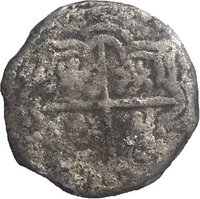
Obverse
Description:
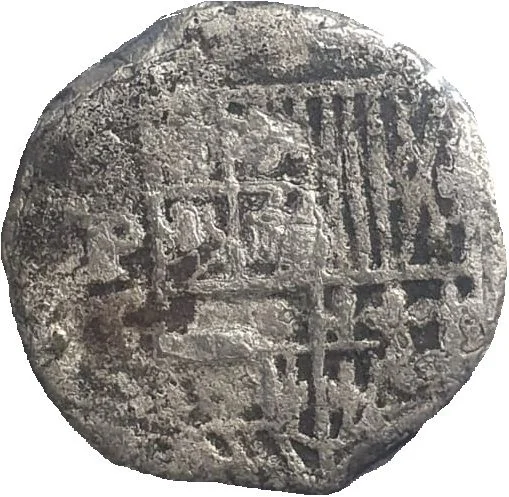
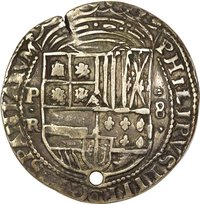
Arms of Castile, León, and others, encircled by legend.
Inscription:
PHILLIPVS IIII D G HISPANIARVM
Script: Latin
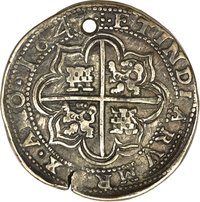
Reverse
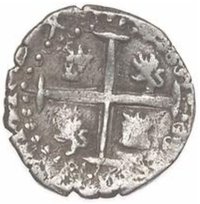
Description:
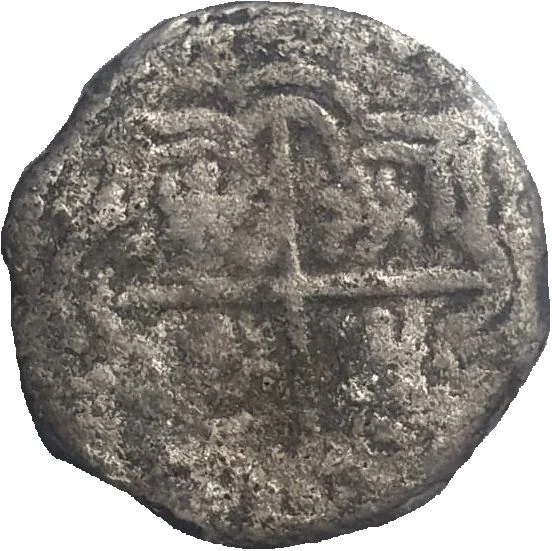
Jerusalem Cross with lions and castles.
Edge
Categories
| Symbols> Coat of Arms |
| Symbol> Cross |
Mintings
| Year | Mint Mark | Mintage | Quality | Collection |
|---|---|---|---|---|
| 1622 | P | — |
Historical background
In 1622, the currency situation in the Viceroyalty of Peru, which included the Audiencia de Charcas (modern Bolivia), was defined by the overwhelming dominance of silver and the operational challenges of the Spanish colonial monetary system. The discovery of the Cerro Rico of Potosí in 1545 had transformed the region into the financial engine of the Spanish Empire, producing over half of the world's silver. By 1622, Potosí's mint (Casa de la Moneda) was operating at full capacity, striking vast quantities of silver pesos, or "pieces of eight," which circulated globally. The primary monetary concern was not a lack of specie but rather the logistical and political complexities of managing this immense wealth, including smuggling, fraud in coinage, and the crown's relentless extraction of revenue through taxes and the quinto real (the royal fifth).
Despite the flood of silver, a chronic shortage of small-denomination coinage plagued the local economy of cities like La Paz and the mining camps themselves. Large silver pesos were impractical for everyday market transactions, leading to a reliance on cut coin fragments (recortes) and barter for minor purchases. This scarcity of fractional currency stifled local commerce and caused significant inconvenience for the non-elite population. Furthermore, the Spanish crown's strict mercantilist policies prohibited the establishment of local mints for copper maravedí coins (which circulated in Spain), fearing they would disrupt the silver-based system and be difficult to control from Madrid.
Consequently, the monetary landscape was a paradox of immense wealth juxtaposed with local transactional friction. The silver from Potosí flowed directly to Spain via the fleet system and across the Pacific to Manila, financing Spain's European wars and global trade, while the internal economy of the Alto Perú region struggled with a dysfunctional currency structure. This situation entrenched social hierarchies, as access to full-weight coinage was limited, and it fostered informal economies. Thus, in 1622, Bolivia's core currency "problem" was not one of poverty but of a colonial system brilliantly designed for extraction yet poorly configured for local economic vitality.
Despite the flood of silver, a chronic shortage of small-denomination coinage plagued the local economy of cities like La Paz and the mining camps themselves. Large silver pesos were impractical for everyday market transactions, leading to a reliance on cut coin fragments (recortes) and barter for minor purchases. This scarcity of fractional currency stifled local commerce and caused significant inconvenience for the non-elite population. Furthermore, the Spanish crown's strict mercantilist policies prohibited the establishment of local mints for copper maravedí coins (which circulated in Spain), fearing they would disrupt the silver-based system and be difficult to control from Madrid.
Consequently, the monetary landscape was a paradox of immense wealth juxtaposed with local transactional friction. The silver from Potosí flowed directly to Spain via the fleet system and across the Pacific to Manila, financing Spain's European wars and global trade, while the internal economy of the Alto Perú region struggled with a dysfunctional currency structure. This situation entrenched social hierarchies, as access to full-weight coinage was limited, and it fostered informal economies. Thus, in 1622, Bolivia's core currency "problem" was not one of poverty but of a colonial system brilliantly designed for extraction yet poorly configured for local economic vitality.
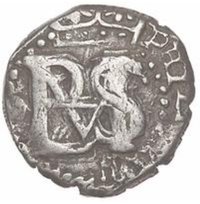
✨ Legendary