

1 seiseno – Catalonia
Add to wishlist
Spain
Context
Years: 1643–1652
Country: Spain
Issuer: Catalonia
Period:
Ruler: Louis XIV of France
Currency:
Demonetized: Yes
Total mintage: 980,000
Material
Diameter: 21 mm
Weight: 3.5 g
Shape: Irregular round
Composition: Copper
Magnetic: No
Technique: Hammered
Alignment: Coin alignment
flip
References
KM: #
Numista: #32657
Obverse
Description:
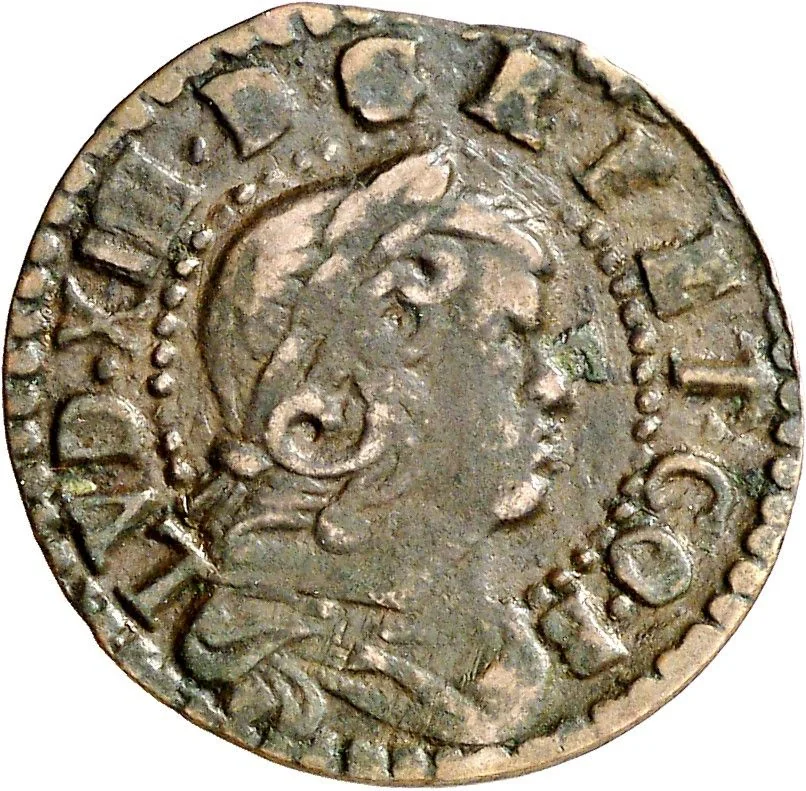
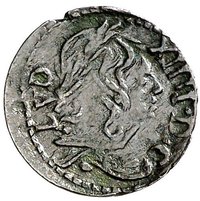
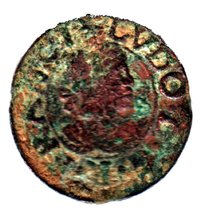
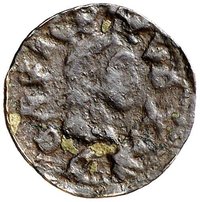
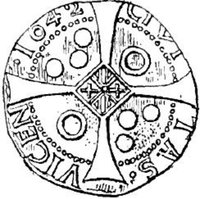
Bust of Louis XIV right within beaded circles.
Inscription:
LVD · XIIII · D · G · R : F · ET · CO · B
Script: Latin
Reverse
Description:
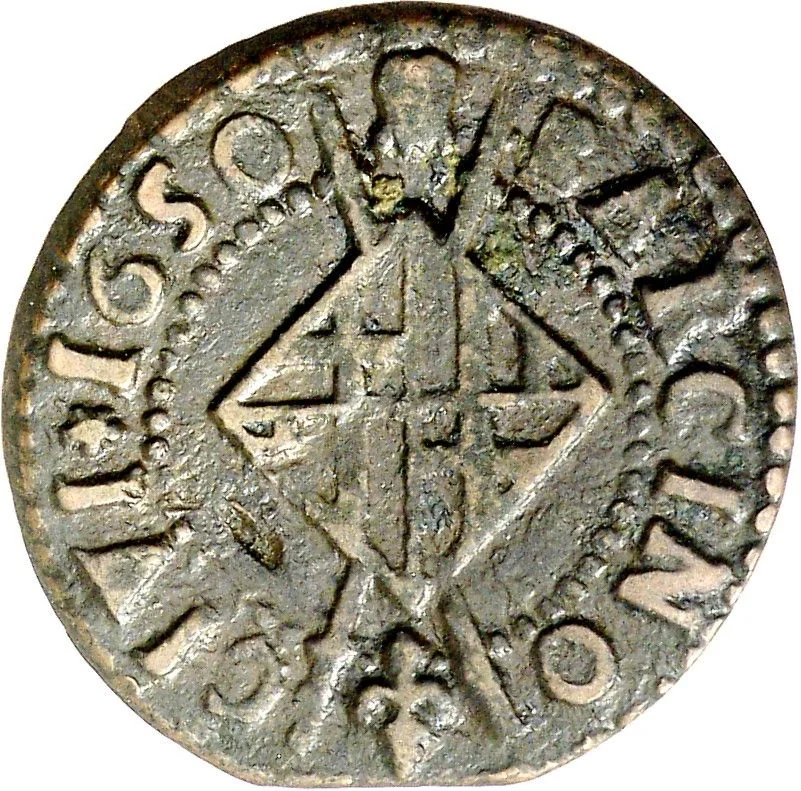
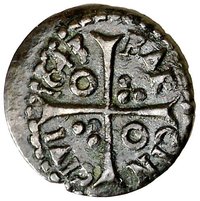
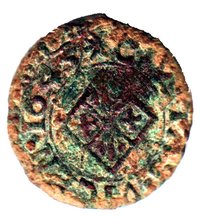
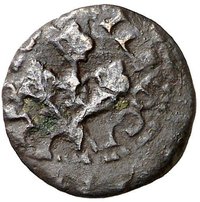
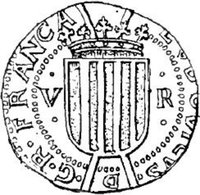
Barcelona coat of arms. Legend encircled by beaded rings.
Inscription:
BARCINO ⚜ CIVI ✽ 1650
Script: Latin
Edge
Categories
| Symbols> Coat of Arms |
Mints
| Name | Mark |
|---|---|
| Barcelona Mint / La Seca | — |
Mintings
| Year | Mint Mark | Mintage | Quality | Collection |
|---|---|---|---|---|
| 1643 | — | — | ||
| 1644 | — | — | ||
| 1645 | — | — | ||
| 1646 | — | — | ||
| 1647 | — | — | ||
| 1648 | — | — | ||
| 1649 | — | 980,000 | ||
| 1650 | — | — | ||
| 1651 | — | — | ||
| 1652 | — | — |

🌟 Limited